Magnitude 6.0 Quake Strikes Near Tonga
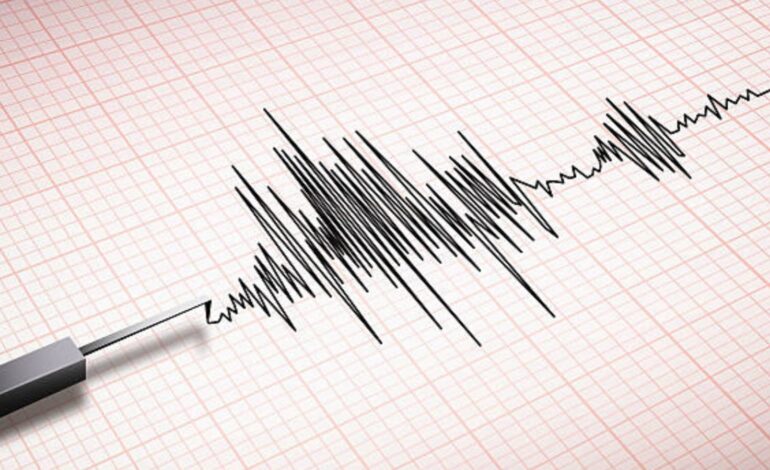

A powerful magnitude 6.0 earthquake struck the South Pacific Ocean near Tonga early on Wednesday, drawing the attention of seismologists and global monitoring agencies. According to official data released by the National Center for Seismology (NCS), the tremor originated deep beneath the ocean surface, highlighting once again the persistent tectonic activity along the Pacific Ring of Fire — the most seismically active region on Earth.
Although the earthquake occurred far from major population centres and no immediate damage or tsunami alerts were reported, the event remains scientifically significant. Deep-focus earthquakes of this scale provide valuable insights into the behaviour of subducting tectonic plates and the dynamics of the Earth’s interior.
This article explains the key details of the Tonga earthquake, why deep-focus quakes matter, and what the event reveals about ongoing seismic risks in the Pacific basin.
Earthquake Near Tonga: Key Details
According to the NCS seismic bulletin, the earthquake registered the following parameters:
-
Magnitude: 6.0
-
Date and Time: Wednesday, February 11, 2026, at 02:14:53 IST
-
Coordinates: 21.15° South latitude, 178.28° West longitude
-
Depth: Approximately 515 km beneath the sea surface
-
Region: South Pacific Ocean near Tonga
The most striking feature of this event is its depth. At roughly 515 kilometres below the ocean floor, the tremor qualifies as a deep-focus earthquake, a category known for occurring within subducting tectonic plates far beneath the Earth’s surface.
Because of this great depth and the remote oceanic location, the earthquake produced minimal surface impact and did not trigger tsunami warnings.
Why This Earthquake Drew Scientific Attention
Even though magnitude 6.0 earthquakes are relatively common in the Pacific region, several factors made this event noteworthy:
1. Exceptional Depth
Most damaging earthquakes occur at shallow depths (less than 70 km). This quake originated more than 500 km deep inside the Earth’s mantle — a region where seismic processes are still being actively studied.
2. Location Along a Major Subduction Zone
The Tonga region sits atop one of the world’s most active subduction systems, where the Pacific Plate dives beneath the Indo-Australian Plate. Deep earthquakes in this zone help scientists understand how stress behaves as plates descend into the mantle.
3. Implications for Plate Dynamics
Deep-focus earthquakes provide rare data about conditions far below the crust. They help researchers refine models of:
-
Plate deformation
-
Mantle temperature and pressure
-
Stress transfer within subduction zones
-
Seismic wave propagation
For seismologists, such events are natural laboratories inside the Earth.
Understanding the Pacific Ring of Fire
The earthquake occurred within the circum-Pacific seismic belt, widely known as the Pacific Ring of Fire. This horseshoe-shaped zone stretches roughly 40,000 kilometres around the Pacific Ocean and contains the majority of the world’s active volcanoes and earthquake zones.
Key Facts About the Ring of Fire
-
Accounts for about 90% of the world’s earthquakes
-
Produces roughly 81% of the largest earthquakes
-
Hosts numerous subduction zones
-
Includes countries such as Japan, Indonesia, Chile, the United States (Alaska and California), and Pacific island nations
The region’s intense seismic activity results from the constant interaction of multiple tectonic plates that collide, slide past one another, or subduct deep into the mantle.
Historic mega-earthquakes — including the 1960 Valdivia earthquake in Chile (the strongest ever recorded) and the 1964 Alaska earthquake — both originated within this belt.
What Is a Deep-Focus Earthquake?
Earthquakes are classified by the depth at which they originate:
-
Shallow-focus: 0–70 km
-
Intermediate-focus: 70–300 km
-
Deep-focus: greater than 300 km
The Tonga earthquake clearly falls into the deep-focus category.
How Deep-Focus Quakes Occur
Unlike shallow earthquakes, which typically result from brittle fracturing in the crust, deep-focus earthquakes occur within subducting slabs of oceanic crust that are being forced deep into the mantle.
Scientists believe several mechanisms may trigger these deep events:
-
Mineral phase transformations under extreme pressure
-
Dehydration reactions within the subducting slab
-
Shear instabilities at high temperature and pressure
-
Slab pull forces causing internal stress
Despite decades of research, deep-focus earthquakes remain one of seismology’s most intriguing phenomena.
Why Deep Earthquakes Usually Cause Less Damage
One of the most important reasons this Tonga quake posed little risk is its depth.
Reduced Surface Shaking
When an earthquake originates very deep underground:
-
Seismic energy spreads out over a larger volume before reaching the surface
-
Ground shaking intensity decreases significantly
-
Surface rupture is unlikely
As a result, even a magnitude 6.0 deep earthquake often produces weaker surface effects than a shallower quake of similar magnitude.
Low Tsunami Potential
Tsunamis are typically generated by sudden vertical displacement of the seafloor during shallow megathrust earthquakes. Because deep-focus quakes occur far below the crust, they rarely deform the ocean floor enough to trigger tsunamis.
This explains why tsunami monitoring centres issued no warnings following the Tonga event.
Regional Seismic Context: The Tonga Subduction Zone
The Tonga–Kermadec trench system is among the fastest converging plate boundaries on Earth. The Pacific Plate is being subducted westward beneath the Indo-Australian Plate at rates exceeding 20 centimetres per year in some segments.
Why Tonga Is Seismically Active
The region experiences frequent earthquakes due to:
-
Rapid plate convergence
-
Steep subduction angle
-
Dense oceanic lithosphere sinking into the mantle
-
Complex plate geometry
This tectonic environment makes Tonga one of the world’s key regions for studying deep seismicity.
Recent Earthquake Activity in the Pacific
The magnitude 6.0 Tonga earthquake fits into a broader pattern of ongoing Pacific seismic activity.
Recent comparable events include:
-
A magnitude 6.2 earthquake in the Philippine Sea in early January 2026
-
Another deep magnitude 6.0 tremor elsewhere in the South Pacific
-
Frequent moderate quakes along the Japan and Indonesia subduction zones
Such events are not unusual in the Ring of Fire but serve as reminders of the constant movement of Earth’s tectonic plates.
Role of Global Seismic Monitoring Agencies
The National Center for Seismology, along with international bodies such as the United States Geological Survey (USGS) and Pacific tsunami warning centres, continuously monitor seismic activity worldwide.
How Earthquakes Are Tracked
Modern monitoring relies on:
-
Global seismograph networks
-
Ocean-bottom sensors
-
Satellite geodesy
-
Real-time data transmission systems
These tools allow scientists to rapidly determine an earthquake’s location, depth and magnitude within minutes of occurrence.
Why Monitoring Matters
Data from deep-focus earthquakes helps scientists:
-
Improve hazard models
-
Understand mantle processes
-
Refines seismic wave mapping
-
Enhance early warning systems
However, despite technological advances, precise prediction of earthquakes remains scientifically impossible. Monitoring focuses on rapid detection and risk mitigation rather than prediction.
Risk Assessment: Impact on Coastal Communities
In this specific case, the risk to human populations was minimal due to three key factors:
-
Extreme depth (515 km)
-
Remote oceanic location
-
Absence of significant seafloor displacement
There were:
-
No reported injuries
-
No infrastructure damage
-
No tsunami advisories
-
No major disruptions
Nevertheless, authorities routinely review sea-level data after any magnitude 6+ oceanic earthquake as a precaution.
Why Preparedness Still Matters
Even though this particular event posed little threat, countries along tectonic boundaries must remain vigilant. The same subduction zones that produce harmless deep quakes can also generate devastating shallow megathrust earthquakes.
High-Risk Regions Along the Ring of Fire
Countries that maintain strong earthquake preparedness include:
-
Japan
-
Indonesia
-
Chile
-
New Zealand
-
Pacific island nations such as Tonga and Fiji
-
Parts of the western United States
These regions have experienced destructive earthquakes and tsunamis in the past.
Key Earthquake Preparedness Strategies
Governments and disaster management agencies typically emphasise the following measures:
1. Earthquake-Resistant Infrastructure
Modern building codes in seismic zones require structures to withstand ground shaking, significantly reducing casualties.
2. Tsunami Warning Systems
Pacific-wide monitoring networks can detect potential tsunami-generating earthquakes within minutes.
3. Public Education and Drills
Regular earthquake and tsunami drills improve community readiness and evacuation efficiency.
4. International Data Sharing
Global cooperation among seismological agencies improves detection accuracy and response speed.
5. Early Warning Technology
Some countries now deploy earthquake early warning systems that provide seconds of advance notice before strong shaking arrives.
Scientific Value of the Tonga Earthquake
While the quake caused no damage, it holds considerable research value.
Deep-focus events help scientists:
-
Map the geometry of subducting slabs
-
Study mineral behaviour under extreme pressure
-
Understand mantle rheology
-
Improve seismic tomography models
-
Investigate stress transfer mechanisms
Each deep earthquake acts like a probe illuminating otherwise inaccessible regions of the Earth’s interior.
Looking Ahead: What Scientists Will Watch
Seismologists will continue to monitor the Tonga region for:
-
Aftershock sequences (though deep events often have fewer)
-
Changes in regional stress patterns
-
Long-term seismic clustering
-
Plate motion anomalies
At present, there is no indication that this event signals a larger impending earthquake.
Conclusion
The magnitude 6.0 deep-focus earthquake near Tonga serves as a powerful reminder of the constant tectonic activity shaping the Pacific Ring of Fire. Originating more than 500 kilometres beneath the ocean floor, the quake posed minimal risk to populated areas but provided valuable scientific data about the behaviour of subducting plates deep within the Earth’s mantle.
While deep earthquakes rarely produce destructive surface effects or tsunamis, they remain crucial to understanding the mechanics of our dynamic planet. For nations along the Pacific Rim, the event reinforces the importance of continued monitoring, resilient infrastructure and public preparedness.
As global seismic networks grow more sophisticated, each tremor — whether destructive or harmless — contributes to a clearer picture of Earth’s restless interior and helps improve safety for communities living along the world’s most active tectonic boundaries.