
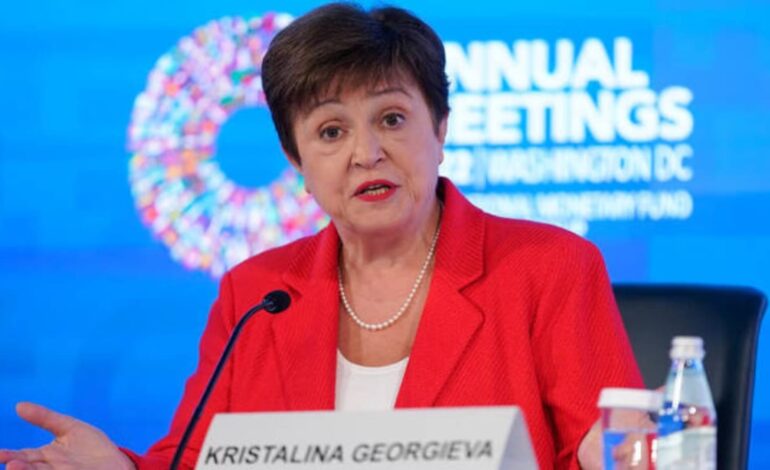

he ongoing conflict in the Middle East could significantly test the resilience of the global economy, according to the International Monetary Fund (IMF). The organisation warned that escalating tensions in the region may create economic shocks that could spread across global markets, energy supplies and financial systems.
Kristalina Georgieva, Managing Director of the IMF, said the conflict has the potential to disrupt global economic stability. She explained that governments, businesses and financial institutions must prepare for a period of prolonged uncertainty.
Speaking at the Asia in 2050 Conference in Bangkok, Georgieva stressed that policymakers must adapt quickly to changing conditions. She warned that economic systems must become more flexible and resilient in the face of geopolitical tensions.
Her comments come as instability grows across the Middle East, a region that plays a crucial role in global energy supply and international trade.
IMF Warns of Global Economic Shockwaves
The IMF believes the conflict could create economic consequences far beyond the Middle East. Georgieva said instability in the region could affect global energy markets, investor confidence and international supply chains.
She warned that sudden disruptions could trigger ripple effects across global financial systems.
“Policymakers and private sector players alike need not only robust strategies and financial strength but also agility,” Georgieva said during her speech.
Her comments reflect growing concerns among economists. Many experts fear geopolitical tensions could slow global economic recovery. The global economy is already dealing with inflation, high debt levels and uneven post-pandemic growth. New geopolitical shocks could make these challenges even more difficult to manage.
Uncertainty Becoming the New Economic Reality
One of the most significant warnings from the IMF chief involved the growing role of uncertainty in the global economy.
Georgieva explained that the world is no longer moving smoothly from one stable economic phase to another.Instead, global economies may face a prolonged period of instability.
“We have not entered some neat global transition from state A to state B,” she said.
“We are in a potentially prolonged period of flux.”
This means governments and businesses must rethink traditional planning models. Economic strategies must now account for sudden disruptions, geopolitical risks and shifting global conditions. Flexibility and rapid response capabilities will become essential for economic stability.
Energy Markets Face Major Risks
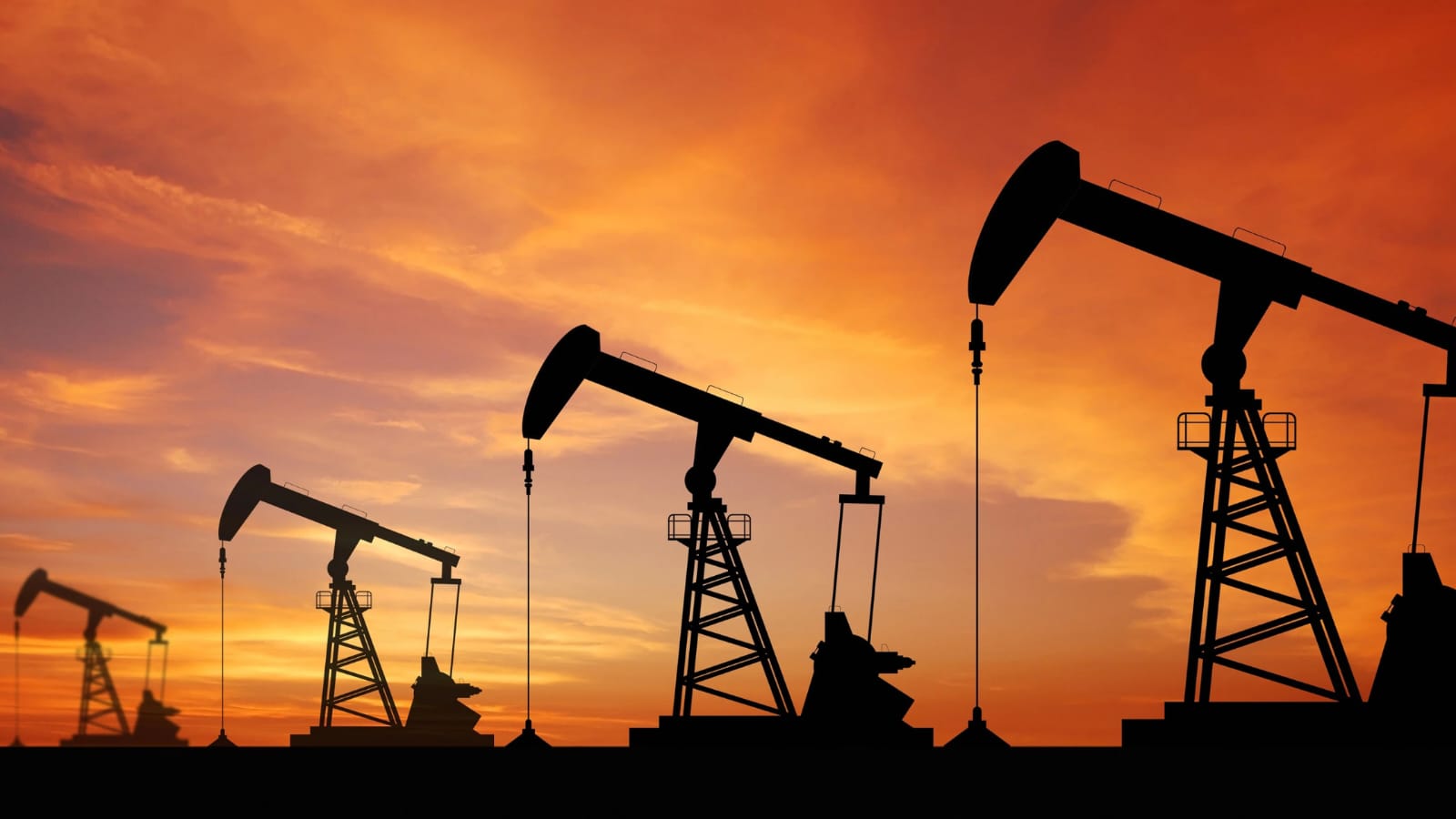
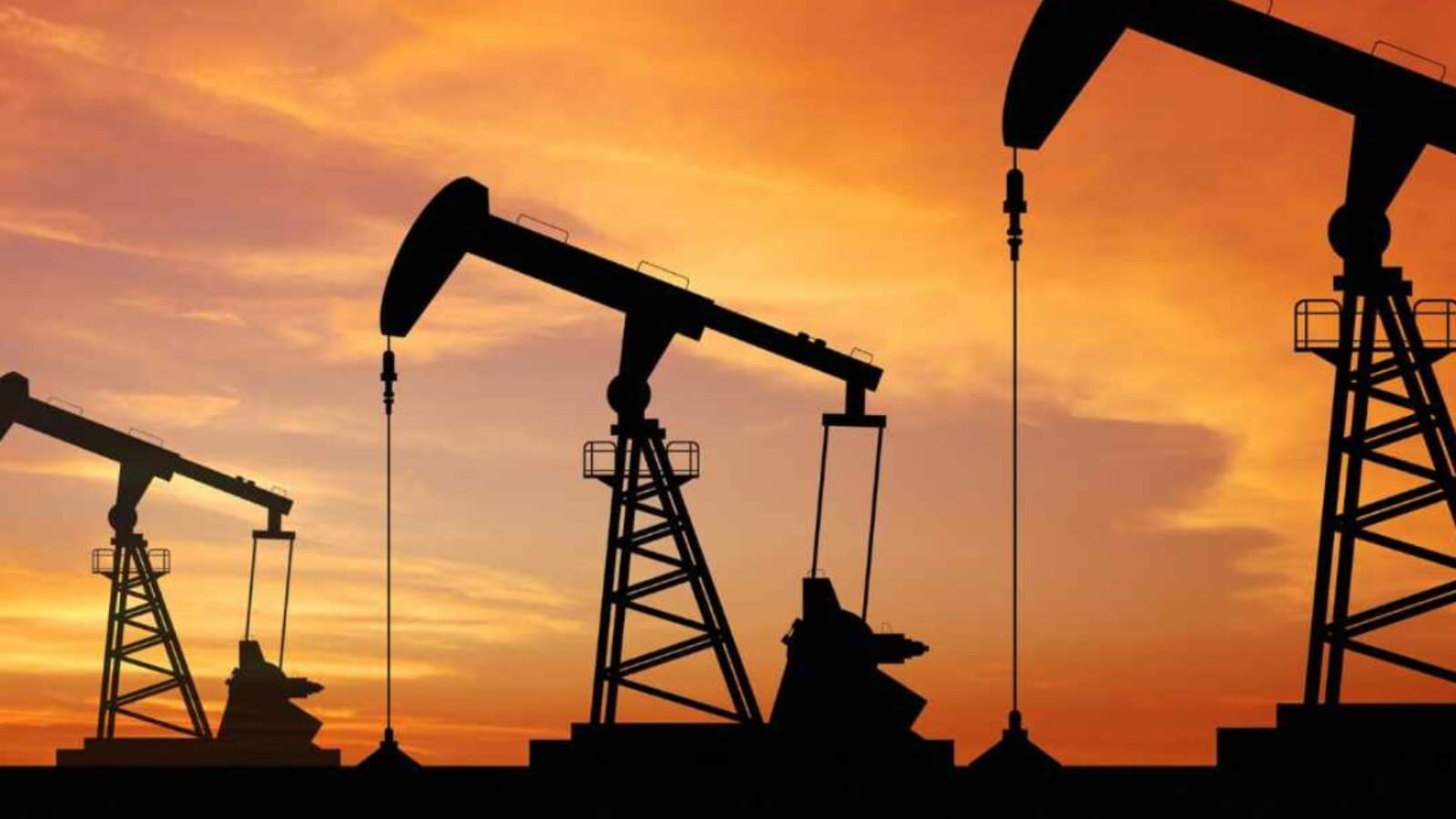
The Middle East remains one of the most important regions for global energy production. Several major oil-producing countries operate in the region, making it central to global energy supply. Any disruption to oil production or shipping routes could quickly affect international markets.
Georgieva warned that the conflict has the “obvious potential” to affect global energy prices. When oil prices rise sharply, economies around the world often experience inflation. Higher fuel costs increase transportation expenses, manufacturing costs and electricity prices. These increases can spread throughout the entire economy.
Energy markets are especially sensitive to geopolitical tensions in the Middle East. The region controls a significant share of global oil exports. Even small disruptions can cause noticeable price movements in global energy markets.
Potential Impact on Global Economic Growth
Beyond energy markets, the conflict could also affect global economic growth. Periods of geopolitical tension often reduce business investment and weaken consumer confidence. When uncertainty increases, companies may delay expansion plans or reduce spending. Investors also tend to move their capital into safer assets during times of instability.
This behaviour can create volatility in financial markets. The IMF warns that these developments could slow economic growth in many countries. Emerging markets could face the greatest risks.
Many developing economies depend heavily on imported energy and foreign investment. Higher energy costs and reduced capital flows could place additional pressure on these economies.
Rising Inflation Concerns Worldwide
The IMF also highlighted the risk that the conflict could intensify global inflation. Energy prices play a major role in determining inflation levels. When oil and gas prices rise, transportation and production costs increase across multiple industries. Food prices may also rise because agriculture depends heavily on fuel and transportation.
Many countries are still working to control inflation following the economic shocks of the COVID-19 pandemic. Central banks around the world have raised interest rates to reduce inflation pressures. However, rising energy prices could complicate those efforts.
If inflation increases again, central banks may need to keep interest rates high for longer. Higher interest rates can slow economic growth and make borrowing more expensive for businesses and households.
Financial Markets React to Geopolitical Risks
Financial markets closely monitor geopolitical developments. Conflicts often trigger volatility across stock markets, currency markets and commodity markets. Investors typically move money into assets considered safer during periods of uncertainty.
These safe-haven assets often include government bonds, gold and stable currencies. However, this shift in investment can reduce capital flows to emerging markets. Sudden withdrawals of investment funds can destabilise some economies.
The IMF warns that rapid capital movements can create financial stress in countries with weaker financial systems. Managing these risks requires strong financial regulation and international cooperation.
Supply Chains Could Experience Disruptions
The Middle East also serves as a major transit route for global trade. Important shipping corridors in the region carry large volumes of oil and commercial goods. One of the most critical routes is the Strait of Hormuz, which connects the Persian Gulf to international shipping lanes.
Another vital trade route is the Red Sea. Disruptions in these areas could delay shipments and increase transportation costs. Supply chain disruptions often lead to higher production costs for companies.
Manufacturers may face delays in receiving raw materials and components. These delays can reduce industrial output and increase consumer prices. Companies may also need to redesign supply chains to reduce dependence on high-risk regions.
IMF Monitoring Economic Consequences
Georgieva said the IMF is closely studying the economic impact of the conflict. The organisation is analysing both regional and global economic effects.
These findings will appear in the IMF’s upcoming World Economic Outlook report.
“We are assessing and quantifying the regional and global economic ramifications,” Georgieva said.
The IMF publishes the report regularly to provide guidance on global economic trends and risks. The next edition is expected to examine the impact of geopolitical tensions on global growth and financial stability.
Governments Must Strengthen Economic Resilience
According to the IMF chief, governments must strengthen their economic systems to handle uncertainty. This includes maintaining responsible fiscal policies and building financial reserves.
Countries should also invest in economic institutions that can respond quickly to crises.Businesses must also adapt to the changing economic environment.
Companies can improve resilience by diversifying supply chains and strengthening financial planning. Effective risk management will become increasingly important.
Georgieva emphasised that agility will be essential for navigating future economic challenges.Economic systems must be able to respond quickly to shocks from conflicts, climate events or technological disruptions.
Global Cooperation Remains Essential
The IMF also emphasised the importance of international cooperation in managing economic risks. Global economic stability depends on coordination between governments, financial institutions and international organisations.
During times of crisis, cooperative action can stabilise financial markets and maintain trade flows. International institutions such as the World Bank often work alongside the IMF to support vulnerable economies.
These organisations can provide financial assistance and policy guidance to countries facing economic shocks. Strong international partnerships remain essential for maintaining global economic stability.
Lessons from Previous Economic Crises
Economic history shows that geopolitical conflicts often produce major financial consequences. Past crises in the Middle East have caused dramatic shifts in global energy prices.
One of the most notable examples was the 1973 Oil Crisis. That event triggered inflation, economic slowdown and major changes in global economic policies.
More recent conflicts have also demonstrated how quickly financial markets respond to geopolitical risk. Investors tend to react immediately to uncertainty.
These reactions can amplify economic volatility. The IMF’s warning reflects lessons learned from these previous crises. Understanding these historical patterns can help governments prepare for future challenges.
The Role of Businesses in Economic Stability
Private sector companies also play a key role in maintaining economic stability during uncertain times. Businesses must adopt strategies that improve resilience and reduce risk.
Key strategies include:
-
Diversifying suppliers
-
Investing in technology and efficiency
-
Strengthening financial planning
-
Developing contingency plans for disruptions
Companies that adapt quickly to changing conditions often perform better during periods of instability. Strong risk management can help businesses maintain operations even during global disruptions.
Outlook for the Global Economy
Despite current risks, the global economy has shown resilience in recent years. Many countries have strengthened financial systems and improved economic policies. However, the IMF warns that geopolitical tensions could create new challenges.
Conflicts, inflation pressures and financial market volatility could slow economic growth. Policymakers must remain vigilant and prepared for sudden shocks. Preparing for uncertainty will be essential for maintaining stability in the coming years.
The IMF has issued a clear warning that the Middle East conflict could test the resilience of the global economy. Managing Director Kristalina Georgieva emphasised that uncertainty is becoming a defining feature of the global economic landscape.
The conflict could affect energy markets, inflation, supply chains and financial stability worldwide.As governments, businesses and financial institutions navigate this challenging environment, adaptability will become increasingly important.
The IMF’s upcoming economic outlook will provide further insights into how global economies may respond to the evolving situation in the Middle East.



2 Comments
[…] The announcement signals a major escalation in militant activity amid the widening regional conflict involving Iran, Israel, and the United States. The confrontation has triggered retaliatory operations by several Iran-aligned armed groups across the Middle East. […]
[…] tensions across the Middle East continue to rise, governments will likely increase efforts to protect essential infrastructure and […]
Comments are closed.