
NATO and Canada Back US in Iran Conflict Amid Global Tensions

In a major geopolitical development, the North Atlantic Treaty Organization (NATO) and Canada have publicly intensified their support for the United States amid escalating military tensions with Iran. As hostilities surge across the Middle East, Western leaders are signalling strong political alignment with Washington’s strategic objectives.
The public endorsement of US military operations represents a notable moment in transatlantic relations. With missile exchanges, drone strikes and heightened maritime tensions disrupting regional stability, NATO and Canada’s backing underscores a broader Western alignment that could shape the trajectory of the crisis.
This in-depth analysis explores NATO’s position, Canada’s strategic role, the wider US-Iran conflict backdrop, international reactions, legal debates, and the implications for regional and global security.
NATO’s Public Endorsement of US Military Action
He also commended US President Donald Trump, referring to his role in coordinating allied responses during the crisis. Such remarks are significant because NATO traditionally frames its mission around collective defence, primarily under Article 5, rather than offensive operations beyond alliance territory.
While NATO as an institution has not formally entered combat operations against Iran, the political endorsement signals strong alignment among key Western governments. This distinction matters: NATO members may individually support or contribute to operations without triggering formal alliance-wide military engagement.
Why This Is Unusual
Historically, NATO interventions such as in Afghanistan followed clear multilateral frameworks. In the current US-Iran conflict cycle, the alliance’s public political backing, even without formal operational involvement, reflects evolving security priorities that extend beyond Europe’s immediate borders.
This shift highlights how alliance leaders increasingly view Middle Eastern instability as directly linked to Euro-Atlantic security.
Canada’s Role in Supporting the United States

Canada’s relations with Tehran have been strained for years, involving sanctions, diplomatic tensions and sharp disagreements over human rights issues. This context explains why Canadian officials quickly aligned with Washington’s strategic assessment during the recent escalation.
As a founding NATO member and key US ally, Canada’s backing reinforces North American unity. It also strengthens the perception of a coordinated Western approach to countering perceived Iranian threats.
Strategic Significance of Canada’s Support
Canada’s political weight extends beyond its military capabilities. Ottawa’s position often influences broader diplomatic discussions within NATO and G7 circles. Its support therefore contributes to shaping Western messaging and legitimising coordinated responses.
The Escalating US-Iran Conflict
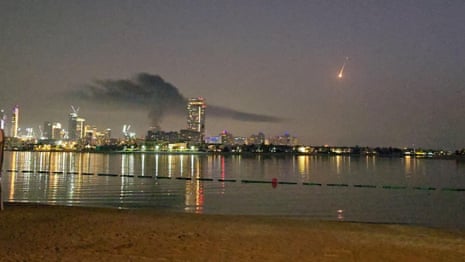
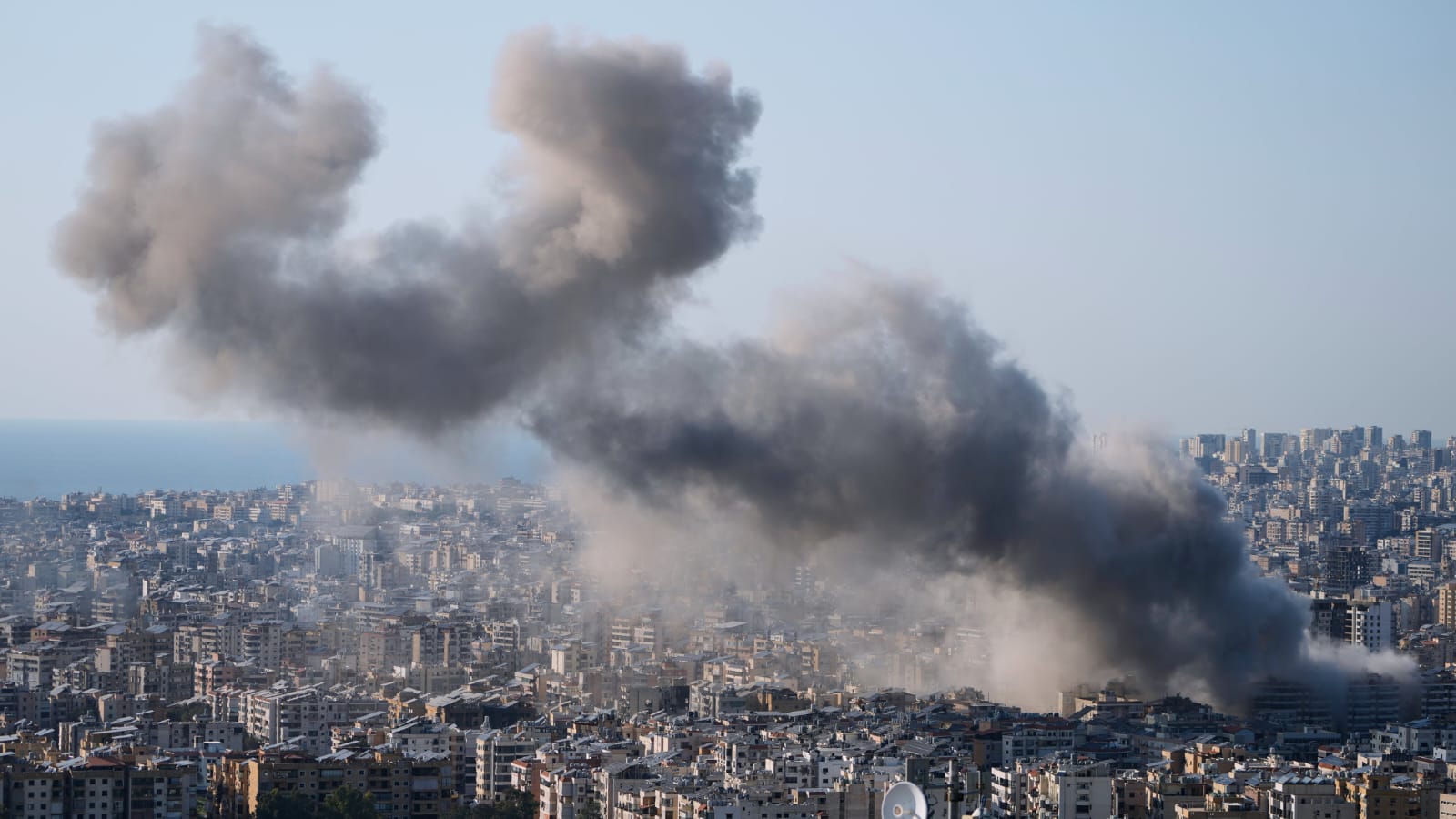
 The NATO and Canadian endorsement comes amid a dramatic escalation between Washington and Tehran.
Recent developments reportedly include strikes on Iranian military leadership and nuclear facilities, followed by retaliatory missile and drone attacks targeting US positions, allied infrastructure and strategic assets across the Gulf region.
Key flashpoints include:
-
Missile attacks on US bases
-
Drone incursions into neighbouring airspace
-
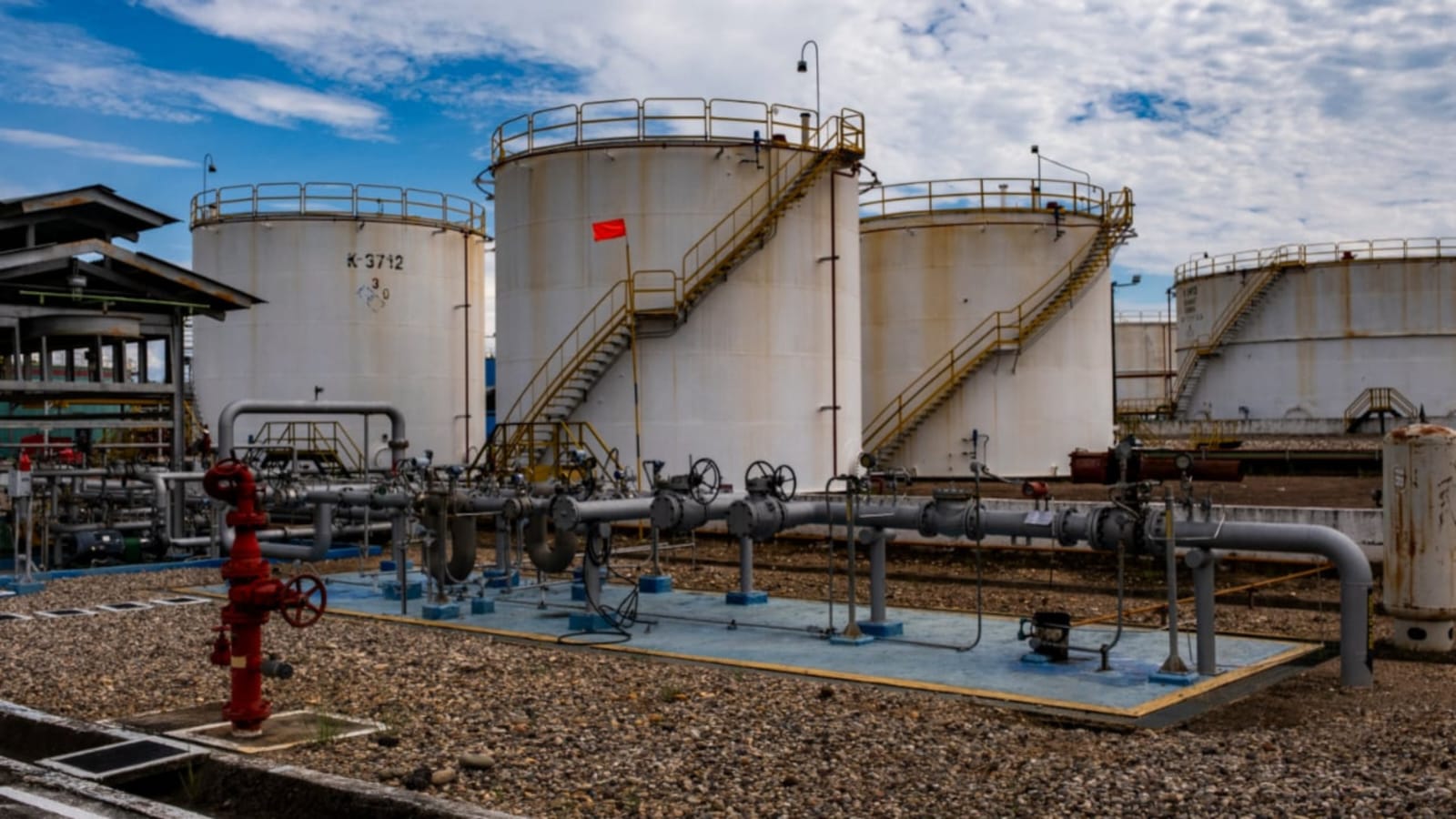
Strikes affecting regional energy infrastructure
-
Rising tensions around the Strait of Hormuz
The Strait of Hormuz is particularly critical, as it serves as one of the world’s most vital oil transit chokepoints. Even minor disruptions can cause significant volatility in global energy markets.
Global Reactions: Unity, Caution and Division
Western Alignment
NATO leadership and Canada’s public statements highlight a consolidated Western position. However, alignment does not necessarily translate into unanimous military participation. Some NATO member states have emphasised diplomatic solutions and restraint, even while recognising security concerns.
The United Nations Response
The United Nations Security Council has expressed serious concern over the escalation, urging all parties to pursue de-escalation and dialogue. Calls for restraint reflect broader anxieties about the risk of regional war.
Diverging International Perspectives
Certain regional and global powers have criticised aspects of the military actions, citing international law and sovereignty concerns. Others have warned that continued escalation could destabilise fragile neighbouring states and disrupt global trade.
This divergence illustrates how complex the geopolitical landscape remains.
Implications for NATO and Western Alliances
The endorsement of US military action carries several strategic implications:
1. Expanding Security Horizons
NATO’s political support demonstrates how alliance security priorities increasingly extend into the Middle East. Instability in the region directly affects energy supplies, migration flows and counterterrorism efforts in Europe.
2. Alliance Cohesion and Debate
While public messaging projects unity, internal discussions within NATO reflect differing national approaches. Some members favour assertive deterrence; others prioritise diplomacy and multilateral frameworks.
3. Strengthened Transatlantic Bonds
The visible support from NATO leadership and Canada reinforces transatlantic solidarity. In moments of crisis, such unity can enhance intelligence sharing, military coordination and deterrence credibility.
International Law and Legitimacy Concerns
One of the most contentious aspects of the crisis involves legality. Critics argue that military strikes against a sovereign state without explicit UN authorisation may violate international law.
Supporters contend that actions were taken in self-defence or as preventive measures against imminent threats. Legal scholars continue to debate whether the strikes meet the threshold required under international humanitarian law.
These debates matter because perceived legitimacy affects global diplomatic support and long-term alliance credibility.
Impact on Energy Markets and Global Trade
Middle East instability consistently impacts global markets.
-
Oil prices often spike amid fears of supply disruption
-
Insurance premiums for shipping increase
-
Investor confidence fluctuates
-
Currency markets respond to geopolitical risk
The Strait of Hormuz remains central to these calculations. Roughly a fifth of global oil consumption passes through this narrow corridor. Any sustained disruption could reverberate across economies worldwide, from Asia to Europe.
Energy-importing nations are therefore watching developments closely.
Risks of Regional Spillover
The broader Middle East remains vulnerable to escalation. Proxy conflicts, sectarian tensions and fragile governance structures amplify risks.
If the conflict expands:
-
Civilian populations could face displacement
-
Humanitarian crises may intensify
-
Regional alliances could shift
-
Extremist groups might exploit instability
This is why international diplomatic efforts remain critical.
Diplomatic Channels and De-escalation Efforts
Despite heightened rhetoric and military activity, diplomatic engagement continues behind the scenes. Backchannel negotiations, regional mediators and multilateral forums are working to prevent further deterioration.
The coming weeks will likely determine whether diplomacy gains traction or military dynamics dominate the agenda.
The Broader Geopolitical Picture
The crisis also intersects with great power competition. Global actors monitor the situation for its implications on:
-
Energy security
-
Strategic alliances
-
Military deterrence
-
Technological and defence cooperation
Western unity sends a signal not only to Iran but also to other international actors observing alliance cohesion.
What Comes Next?
Several key variables will shape outcomes:
Continued Military Posture
Expanded surveillance, defensive deployments and intelligence-sharing among NATO members may continue.
Economic Sanctions
Additional sanctions could intensify pressure on Iran’s economy.
Diplomatic Breakthrough or Stalemate
Negotiations could either stabilise tensions or stall, prolonging uncertainty.
Domestic Political Pressures
Public opinion within Western democracies may influence leaders’ willingness to sustain military engagement.
The decision by NATO leadership and Canada to support US military action against Iran marks a significant moment in Western strategic coordination. While NATO itself is not formally engaged in combat operations, its political endorsement and Canada’s firm backing underscore a strong transatlantic alignment during a volatile geopolitical crisis.
Yet the situation remains fluid. Legal debates, market volatility, regional risks and diplomatic manoeuvring will all shape the trajectory of events. Whether the conflict de-escalates or broadens will depend on the balance between deterrence and diplomacy.
For now, NATO and Canada’s support reflects a clear message: Western allies are prepared to stand alongside the United States amid rising tensions with Iran a stance with profound implications for regional stability and global security.




1 Comment
[…] for NATO and Western […]
Comments are closed.