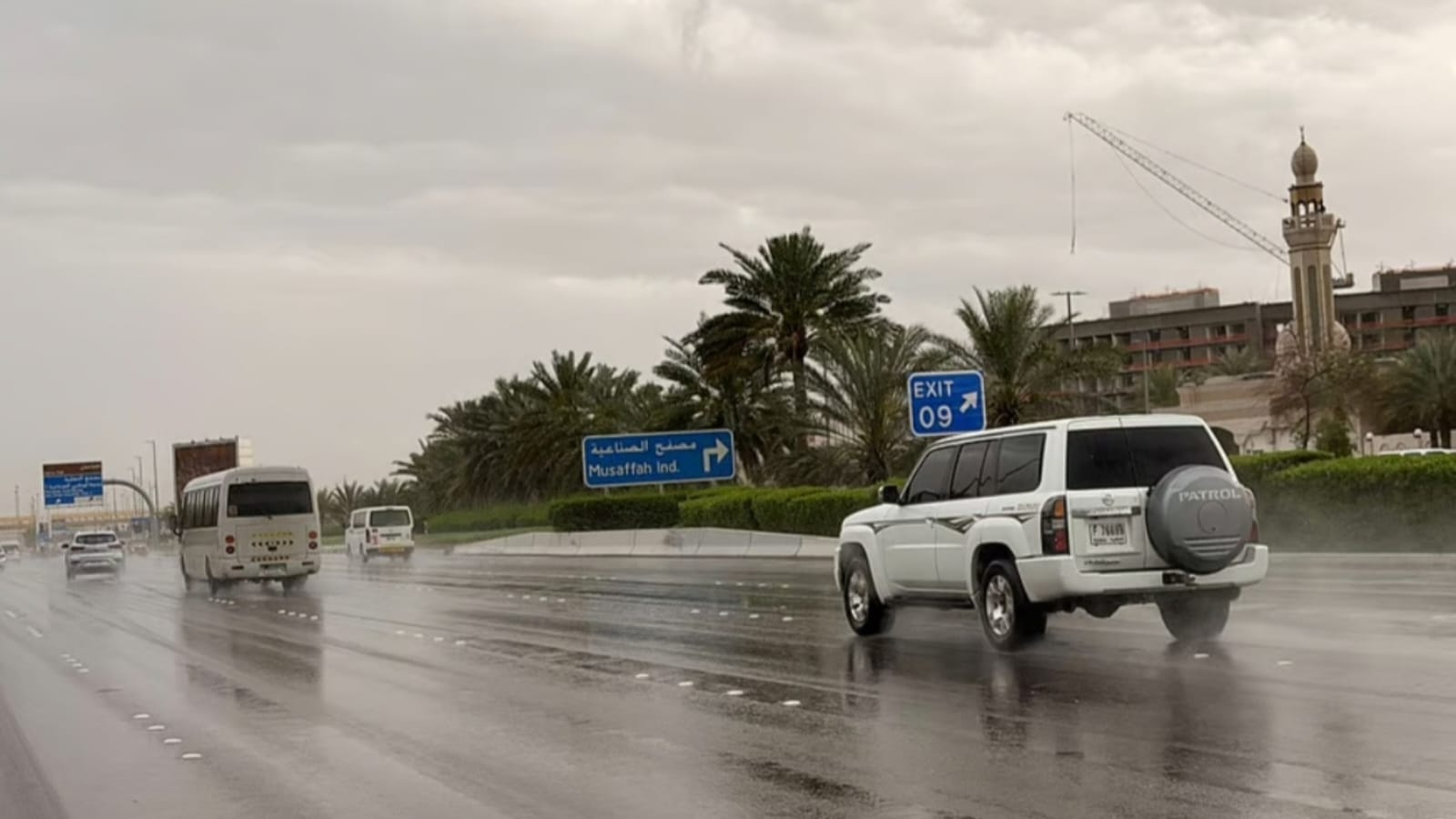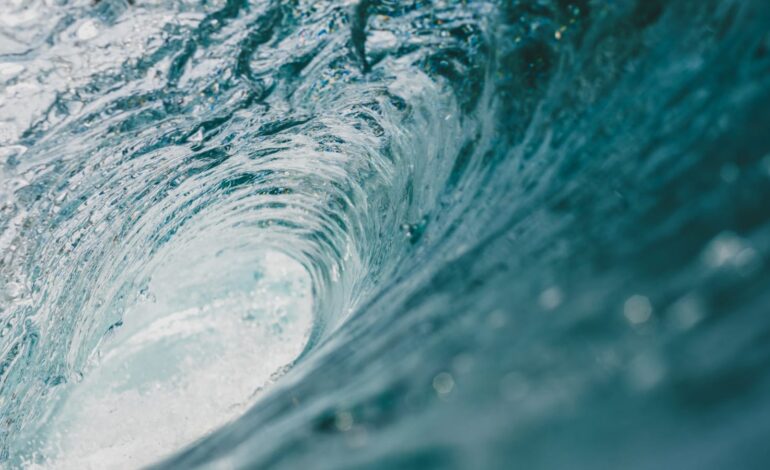

The National Centre of Meteorology (NCM) has issued a weather alert warning of rough sea conditions along parts of the United Arab Emirates coastline, as wave heights are expected to reach up to seven feet. The advisory applies to coastal waters in the Arabian Gulf and sections of the Gulf of Oman, where strong winds and shifting weather patterns continue to disrupt marine conditions.
The alert targets marine travellers, fishermen, ferry operators, beach visitors, and coastal communities who may face dangerous conditions over the coming days. Authorities urge residents and visitors to remain vigilant, avoid unnecessary marine activity, and follow official safety guidance to prevent accidents at sea and along the shoreline.
NCM Warns of Hazardous Marine Conditions
According to the National Centre of Meteorology, a combination of strong winds and unstable atmospheric conditions will continue to affect UAE coastal waters. These changes are driving higher wave activity, powerful surface currents, and choppy seas that pose a serious risk to navigation.
Forecasters expect the rough conditions to persist for several days. Small boats, recreational watercraft, and traditional fishing vessels face the highest level of danger. Officials advise operators to delay departures until the sea state improves.
The alert aims to provide early notice so individuals and authorities can prepare in advance and reduce exposure to risk.
Key Points From the Weather Alert
The NCM outlined several critical factors that residents and marine users should consider:
* Strong winds will push wave heights to **around seven feet** in exposed coastal areas.
* Rough seas and unstable surface currents may develop suddenly.
* The most affected zones include open waters in the Arabian Gulf and parts of the Gulf of Oman.
* Marine transport, fishing activity, and water sports may face temporary disruption.
By sharing this information early, the NCM enables port authorities, emergency services, and the public to take preventive action.
Why Sea Conditions Are Deteriorating
Rough seas typically result from a combination of atmospheric pressure changes, shifting wind systems, and temperature differences between land and sea. When wind speeds increase over open water, they transfer energy to the sea surface. This process creates higher waves and irregular movement.
In the current situation, persistent winds continue to sweep across the region. These winds interact with existing weather systems and generate unstable marine conditions. As the wind strengthens, waves grow taller and currents become more unpredictable.
Meteorologists monitor these patterns using satellite imagery, offshore sensors, and coastal observation stations. When conditions approach dangerous thresholds, the NCM issues alerts to protect life and property.
Impact on Shipping and Commercial Marine Activity
Commercial Vessels and Cargo Ships
Large commercial vessels usually handle rough seas better than smaller boats. However, captains may still need to adjust routes, reduce speed, or delay port entry during severe conditions. Ports may also increase safety checks to protect crews and dock workers.
Harbour authorities often coordinate with weather officials during such periods. They may restrict movements of certain vessels or impose temporary operational limits until sea conditions stabilise.
Ferries and Coastal Transport
Passenger ferries and small coastal transport services face greater challenges in rough waters. Strong waves can reduce stability and increase the risk of mechanical stress. Operators should follow official advisories closely and suspend services if conditions worsen.
Fishing Boats and Traditional Marine Crafts at High Risk
Small fishing boats and traditional wooden crafts remain especially vulnerable during rough sea events. High waves can overwhelm low freeboard vessels and increase the risk of capsizing.
Authorities strongly advise fishermen to remain in port during the alert period. Those who depend on daily fishing activity should consult updated forecasts before planning trips. Delaying operations may cause short term disruption, but it significantly reduces the risk of serious accidents.
Local maritime agencies continue to communicate with fishing communities to ensure warnings reach those most affected.
Recreational Boating and Water Sports Suspended
Rough seas create hazardous conditions for leisure activities such as jet skiing, parasailing, water skiing, and sightseeing cruises. Sudden wave surges and strong currents can quickly overwhelm even experienced operators.
Tourism and water sports companies should cancel or postpone excursions until the alert expires. Beachside operators may also restrict equipment rentals as a precaution.
Visitors should avoid venturing into open water during this period, even if conditions appear calm near the shore.
Safety Advice for Beachgoers and Coastal Visitors
People visiting beaches or living near the coastline should take extra care while the weather alert remains active. Strong waves can appear unexpectedly and pull people into deeper water.
Authorities recommend the following safety measures:
* Stay well away from breaking waves and rough water.
* Avoid swimming during periods of high wave activity.
* Keep children and pets at a safe distance from the shoreline.
* Watch for rip currents and sudden surges.
* Follow instructions issued by lifeguards and civil defence teams.
* Check official weather updates before planning beach visits.
Vigilance and responsible behaviour play a vital role in preventing injuries and fatalities.
Effects on Coastal Communities and Local Businesses
Many UAE coastal communities rely on marine activity for employment and tourism. Rough seas can temporarily disrupt:
* Fishing operations
* Water sports and beach tourism
* Small boat transport services
* Coastal retail and hospitality activity
Residents should secure boats, equipment, and loose items near the shore. Waves and strong winds can damage unsecured property and infrastructure.
People should also avoid walking on rocks, jetties, or breakwaters during rough conditions, as slippery surfaces and powerful surges increase the risk of falls.
Government Coordination and Emergency Preparedness
The National Centre of Meteorology shares its alerts with civil defence authorities, maritime agencies, police units, and port operators. These organisations prepare response plans to manage risks and respond quickly if incidents occur.
Local authorities may activate warning systems such as public announcements, digital alerts, or beach advisories. Emergency teams remain on standby to assist vessels or individuals in distress.
This coordinated approach helps minimise damage and ensures rapid response during severe weather events.
Why Early Weather Warnings Matter
Weather warnings play a crucial role in public safety. They allow people to make informed decisions and avoid unnecessary exposure to danger.
During rough sea events, early alerts help:
* Boat owners secure vessels safely
* Fishermen delay trips without last minute risk
* Tourists plan alternative activities
* Coastal workers protect equipment and goods
* Emergency services prepare resources efficiently
Timely information saves lives and reduces economic losses.
What to Monitor in the Coming Days
Residents and visitors should continue to monitor official forecasts and updates. The NCM may extend the alert if strong winds persist or if new weather systems develop.
Key factors to watch include:
* Updated wave height measurements
* Wind speed and direction changes
* Marine warnings issued by official authorities
Reliable information helps individuals adapt plans quickly and safely.
Conclusion
The UAE has issued a rough sea weather alert as waves of up to seven feet threaten parts of the coastline along the Arabian Gulf and Gulf of Oman. The National Centre of Meteorology expects unstable marine conditions to continue for several days due to strong winds and changing weather patterns.
Authorities urge marine operators, fishermen, beach visitors, and coastal residents to prioritise safety, follow official guidance, and avoid risky behaviour near the water. Through awareness, preparation, and cooperation, communities can reduce the risks associated with rough seas and ensure safer conditions until the weather improves.