
Oil Prices Extend Gains as US–Iran Tensions Fuel Supply Fears
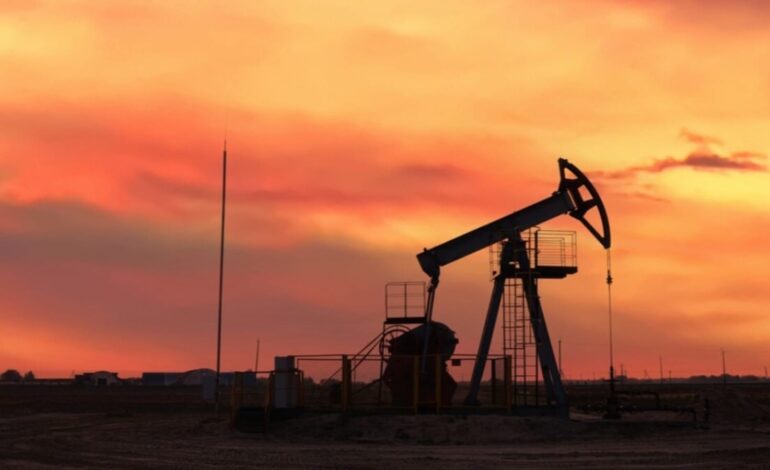

Global oil prices have moved higher after escalating tensions between the United States and Iran injected fresh uncertainty into energy markets. Traders are increasingly factoring geopolitical risk into crude benchmarks, pushing prices to multi-month highs and reinforcing volatility across the energy complex.
The latest rally reflects mounting concern that any deterioration in the US-Iran standoff could disrupt oil flows from the Middle East a region that remains central to global energy supply. Even without an immediate supply interruption, the mere threat of conflict in the Gulf has historically been enough to drive sharp price movements.
With Brent crude and West Texas Intermediate (WTI) both climbing, the oil market is once again in headline-driven mode, where geopolitical developments are exerting as much influence as underlying supply-and-demand fundamentals.
Oil Climbs to Six-Month High Amid Rising Risk Premium
Crude prices surged to their highest levels in roughly six months as geopolitical anxiety intensified.
-
Brent crude rose about 1.9% to around $71.66 per barrel
-
US West Texas Intermediate (WTI) gained similarly to roughly $66.43 per barrel
The gains extend a broader upward trend seen in recent sessions, with traders steadily adding a geopolitical risk premium tied directly to the evolving US-Iran situation.
Market participants say the current rally is not purely driven by physical supply concerns but by precautionary pricing, as investors hedge against potential disruptions in one of the world’s most strategically sensitive oil-producing regions.
Historically, oil markets tend to react quickly and sometimes sharply to tensions involving Iran due to the country’s pivotal location near key global shipping routes.
US-Iran Tensions Fuel Market Volatility
Investor sentiment turned more cautious after both Washington and Tehran increased military signalling, raising fears of a possible confrontation.
US President Donald Trump warned Iran to reach a nuclear agreement within a limited timeframe or face consequences. The statement heightened market sensitivity to geopolitical developments, particularly given the fragile state of negotiations.
Iran, for its part, has conducted military drills and signalled plans for joint naval exercises with Russia. These moves have further unsettled traders, who closely monitor any military activity in the Gulf region.
Energy markets typically respond not only to actual supply disruptions but also to perceived escalation risks. In many cases, prices begin rising well before any physical impact on oil flows occurs.
Analysts note that the current price movement reflects a classic geopolitical response pattern:
-
Rising rhetoric increases uncertainty
-
Traders price in precautionary risk
-
Volatility rises across crude benchmarks
This dynamic is now clearly visible in global oil markets.
Why the Strait of Hormuz Remains Critical
At the heart of market concern is the Strait of Hormuz, one of the world’s most important oil chokepoints.
Approximately 20% of global oil supply passes through this narrow waterway linking the Persian Gulf to international markets. Any threat to shipping through the strait could rapidly tighten global supply and trigger a significant price spike.
Energy analysts emphasise that the Hormuz factor is the primary reason oil markets react so strongly to US-Iran tensions.
Key Risks Associated with the Strait of Hormuz
-
Disruption to tanker traffic
-
Higher shipping insurance costs
-
Delays in crude exports
-
Regional military escalation
-
Spillover into broader Gulf shipping lanes
Even temporary disruption could send shockwaves through energy markets, given the scale of oil volumes that transit the corridor daily.
For this reason, traders often move pre-emptively when geopolitical tensions rise in the region.
Falling US Crude Inventories Provide Fundamental Support
While geopolitics is the dominant driver, oil’s recent gains have also been supported by bullish fundamental data.
US crude inventories reportedly fell by about 9 million barrels, signalling stronger demand and tighter near-term supply conditions.
Lower stockpiles typically strengthen oil prices because they indicate:
-
Robust consumption
-
Reduced supply cushion
-
Potential tightening in physical markets
-
Improved refinery demand
The inventory drawdown has reinforced the upward momentum already building due to geopolitical concerns.
However, analysts caution that inventory data alone would likely not have pushed prices to six-month highs without the added geopolitical premium.
Markets Balancing Risk Versus Supply Reality
Despite the recent rally, energy experts warn that current oil prices already include a significant geopolitical risk premium.
From a purely fundamental perspective, global oil supply remains broadly adequate. This could limit further upside unless tensions between the US and Iran escalate materially.
Several market watchers point to potential headwinds later in the year, particularly if OPEC+ proceeds with planned production increases.
Bullish Forces Supporting Oil Prices
-
Rising geopolitical tensions
-
Falling US crude inventories
-
Military signalling in the Middle East
-
Risk to Gulf shipping routes
-
Strong short-term demand indicators
Bearish Forces Capping the Rally
-
Potential OPEC+ supply increases
-
Longer-term oversupply concerns
-
Demand uncertainty in major economies
-
Strong non-OPEC production growth
-
Macro-economic slowdown risks
In effect, the oil market is currently being pulled in two opposing directions, creating a fragile equilibrium.
Investor Sentiment: Cautious but Highly Reactive
Energy traders are currently adopting a wait-and-watch approach, closely monitoring headlines from Washington and Tehran.
While prices have risen, the market remains extremely sensitive to diplomatic signals. Even minor developments in nuclear negotiations or military posture have recently triggered noticeable price swings.
Earlier optimism around potential nuclear talks briefly pushed crude lower, demonstrating how quickly sentiment can shift. The latest escalation has reversed that trend, bringing geopolitical risk back to the forefront.
Market participants expect this volatility to persist in the near term, especially as diplomatic uncertainty remains high.
What Will Drive Oil Prices Next?
Analysts say the short-term direction of crude will depend heavily on three key factors.
1. Progress in US-Iran Nuclear Talks
Any diplomatic breakthrough could quickly remove part of the geopolitical risk premium currently embedded in oil prices.
2. Military Activity in the Gulf
Increased naval presence, military drills, or shipping incidents could trigger further price spikes.
3. OPEC+ Production Decisions
Future output policy from OPEC+ will play a crucial role in determining whether supply tightens or loosens later in the year.
If tensions escalate meaningfully, crude could test higher resistance levels. Conversely, de-escalation or increased supply could cap gains or even reverse the rally.
Implications for the UAE and Gulf Economies
For the UAE and the wider Gulf region, firmer oil prices typically provide meaningful economic support.
Positive Effects of Higher Oil Prices
-
Stronger government revenues
-
Improved fiscal balances
-
Higher energy sector earnings
-
Increased investor confidence
-
Enhanced budget flexibility
However, sustained geopolitical volatility can also introduce uncertainty into regional financial markets, particularly if tensions begin to affect trade flows or shipping insurance costs.
Policymakers across the Gulf typically prefer stable and moderately high oil prices rather than sharp, volatility-driven spikes.
Broader Impact on Global Energy Markets
The recent price movement highlights how sensitive global oil markets remain to geopolitical developments, particularly in the Middle East.
Key takeaways for the global energy outlook include:
-
Geopolitical risk remains a major price driver
-
Physical supply is currently adequate
-
Markets are highly headline-sensitive
-
Volatility is likely to remain elevated
-
Risk premiums can unwind quickly if tensions ease
Energy analysts stress that while fundamentals matter, geopolitics can dominate price action for extended periods when tensions involve critical oil transit routes.
Outlook: Headline-Driven Market Likely to Persist
Looking ahead, most market watchers expect crude prices to remain volatile and heavily influenced by geopolitical news flow.
In the near term:
-
Escalation risks could push prices higher
-
Diplomatic progress could trigger pullbacks
-
Inventory trends will provide secondary support
-
OPEC+ policy will shape the medium-term balance
The current environment suggests oil markets will remain reactive rather than trend-stable, at least until clearer signals emerge on the US-Iran front.
Conclusion: Geopolitical Risk Takes Centre Stage in Oil Markets
Oil prices have extended gains to six-month highs as rising US-Iran tensions inject fresh uncertainty into global energy markets. While supportive fundamentals including falling US inventories have contributed to the rally, the dominant force remains geopolitical risk.
For now, crude markets are firmly headline-driven, with traders closely watching every diplomatic and military development in the Gulf region. Any shift in negotiations or regional posture could rapidly reshape the price outlook.
Until greater clarity emerges, volatility is likely to remain elevated, and the geopolitical risk premium embedded in oil prices may continue to fluctuate. For energy markets, the message is clear: geopolitics is back in the driver’s seat.




3 Comments
[…] latest developments underscore the fragile state of US-Iran relations, where cautious diplomacy continues alongside military signalling and deep mutual mistrust. While […]
[…] 20–30% of global oil and gas supplies transit the […]
[…] in-depth analysis explores NATO’s position, Canada’s strategic role, the wider US-Iran conflict backdrop, international reactions, legal debates, and the implications for regional and […]
Comments are closed.