
Oil Prices Jump Sharply as Iran Tensions Threaten Supply Routes
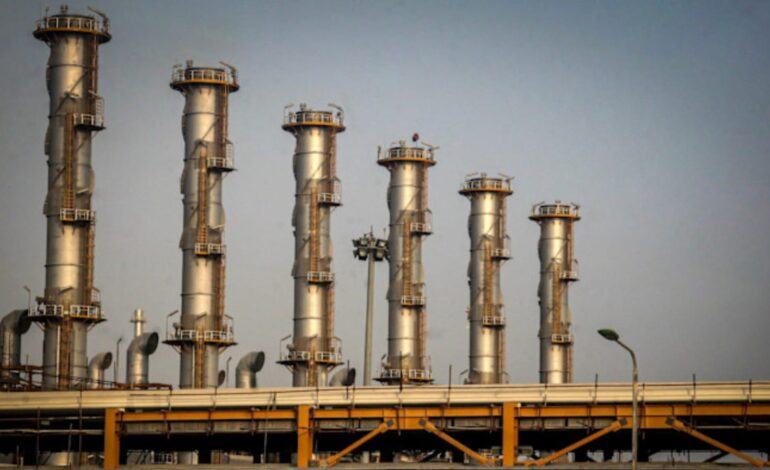

Global oil markets are experiencing renewed volatility as escalating tensions involving Iran continue to unsettle investors and energy traders. In recent trading sessions, crude prices have climbed sharply, driven primarily by fears that the conflict could disrupt vital supply routes across the Middle East.
At the centre of these concerns is the Strait of Hormuz one of the world’s most critical energy chokepoints. Because such a large share of global crude flows through this narrow waterway, even limited disruption can trigger outsized market reactions. Consequently, analysts say the trajectory of oil prices in the coming weeks will largely depend on whether the regional conflict intensifies or stabilises.
This in-depth analysis explains what is happening in oil markets, why prices are rising so quickly, and what the current situation means for the UAE, the wider Gulf region and the global economy.
Oil Prices Spike on Rising Geopolitical Risk
Oil prices moved higher as traders rapidly priced in a growing geopolitical risk premium linked to the Iran conflict. Brent crude briefly climbed above $82 per barrel before easing back toward the high-$70 range, while US benchmark WTI also posted solid gains.
Importantly, market sentiment shifted quickly because energy traders are highly sensitive to developments in the Middle East. Even the possibility of supply disruption can push prices upward well before any physical shortages appear.
Recent market data shows:
-
Brent opened more than 11% higher at one point
-
WTI crude rose over 6%
-
Prices briefly crossed the $80 threshold
-
Volatility increased across energy futures
Together, these moves highlight how tightly global oil flows remain linked to regional stability. Moreover, options markets indicate traders are increasingly hedging against further upside risk.
Strait of Hormuz Becomes the Key Risk Factor
The single biggest concern for energy markets is the Strait of Hormuz. Roughly one-fifth of the world’s oil supplypasses through this narrow corridor connecting the Gulf to global markets.
Because of this concentration, any disruption even temporary can have immediate global consequences.
Recent developments raising alarm include:
-
Reported attacks on multiple tankers
-
Iranian naval warnings to commercial vessels
-
Shipping hesitation across parts of the Gulf
-
Rising insurance costs for tankers
Industry experts emphasise that the central question now is not whether the strait is fully closed, but how much risk is being priced into shipping operations.
If disruptions last only a few days, the market impact may remain contained. However, prolonged instability could trigger a much larger and more sustained price spike.
OPEC+ Output Increase Offers Limited Relief
In response to mounting uncertainty, OPEC+ recently agreed to increase production by 206,000 barrels per day starting in April. The move was designed to reassure markets and demonstrate supply flexibility.
Nevertheless, many analysts believe the increase offers only partial relief.
Key takeaways from the OPEC+ decision:
-
The production increase is moderate
-
The group retains flexibility to adjust output
-
Policy remains focused on market stability
-
Transport risks may outweigh production gains
Energy experts repeatedly stress a critical point: producing more oil helps only if it can be safely transported to buyers.
In the current environment, logistics not production is the dominant risk variable.
Why Markets Are Reacting So Strongly
Oil markets historically respond sharply to Middle East tensions. However, the current reaction reflects several deeper structural factors.
High Regional Supply Concentration
The Gulf region remains one of the world’s largest oil-producing hubs. Therefore, any threat in this area has an outsized global impact.
Shipping Vulnerability
A significant share of global seaborne crude must pass through narrow maritime chokepoints. As a result, even minor security incidents can disrupt market confidence.
Limited Short-Term Spare Capacity
Although some producers hold spare capacity, ramping up output takes time. Consequently, markets tend to react immediately to perceived risks.
Investor Psychology
Energy traders often price in worst-case scenarios early. In many cases, financial markets move well before physical supply is affected.
Taken together, these factors explain the speed and magnitude of the recent price rally.
Analysts Warn Prices Could Climb Further
Several market watchers caution that oil could rise significantly if the geopolitical situation worsens.
Some current forecasts suggest:
-
Prices could approach $100 per barrel in a severe scenario
-
The geopolitical risk premium may remain elevated
-
Volatility is likely to persist in the near term
Most analysts agree that the duration of the conflict is the single most important variable.
If tensions cool quickly, prices may stabilise. Conversely, if the crisis drags on or expands, the rally could extend well into the coming months.
Impact on the UAE and Gulf Economies
For the UAE and other Gulf producers, higher oil prices create a complex and mixed picture.
Positive Effects
Higher crude prices typically deliver immediate fiscal benefits.
-
Stronger government revenues
-
Improved fiscal balances
-
Support for energy sector earnings
-
Boost to sovereign wealth inflows
These factors can strengthen public finances in the short term.
Potential Risks
However, rising geopolitical tensions also introduce significant challenges.
-
Elevated regional security risks
-
Higher shipping insurance costs
-
Increased market volatility
-
Potential pressure on global oil demand
Fortunately, the UAE’s ongoing economic diversification provides a degree of insulation compared with more oil-dependent economies. Nevertheless, prolonged instability would still pose risks.
Global Market Ripple Effects
The oil surge is already influencing broader financial markets. Historically, energy shocks tend to ripple quickly across asset classes.
Recent cross-market reactions include:
-
Weakness in some equity markets
-
Rising gold prices as investors seek safety
-
Stronger demand for the US dollar
-
Higher tanker insurance premiums
Because energy costs are a major driver of global inflation, sustained oil increases could also influence central bank policy and interest rate expectations worldwide.
Energy Security Back in Focus
The latest price spike serves as a reminder that energy security remains a central global concern despite years of diversification and renewable investment.
Even today:
-
A large share of global oil flows through the Gulf
-
Shipping chokepoints remain vulnerable
-
Geopolitical risk continues to drive price swings
-
Strategic reserves remain critical buffers
Consequently, governments around the world are closely monitoring developments in the Strait of Hormuz.
What Happens Next: Key Market Signals
Looking ahead, market direction will depend on several critical indicators.
1. Shipping Activity in the Strait of Hormuz
If tanker traffic normalises, oil prices could cool relatively quickly. However, sustained disruption would likely push prices higher.
2. Military Escalation or De-escalation
Any expansion of the conflict could trigger another sharp market reaction.
3. OPEC+ Policy Moves
The producer alliance retains flexibility to adjust output further if needed.
4. Physical Supply Disruptions
Actual production losses would have the most dramatic impact on prices.
5. Diplomatic Developments
Successful negotiations could rapidly remove part of the geopolitical risk premium.
Because these variables are evolving quickly, volatility is likely to remain elevated in the near term.
Long-Term Outlook: More Resilient but Still Vulnerable
While short-term risks are clearly rising, many analysts believe the global energy system is more resilient than during past oil shocks.
Key stabilising factors include:
-
Large strategic petroleum reserves
-
More diversified supply sources
-
Growing renewable energy share
-
Improved energy efficiency
Even so, the Gulf remains too important to global energy security to ignore. Therefore, any prolonged disruption would still carry major economic consequences.
Oil prices have surged sharply as rising tensions involving Iran inject fresh uncertainty into global energy markets. With the Strait of Hormuz under intense scrutiny and tanker risks increasing, traders are pricing in a significant geopolitical premium.
Although OPEC+ has moved to increase output modestly, the market’s real focus remains on shipping security and the duration of the conflict. For the UAE and the wider Gulf, the situation highlights both the fiscal benefits of higher prices and the strategic risks of regional instability.
In the coming days, oil markets will remain highly sensitive to developments on the ground. For investors, policymakers and consumers alike, this evolving crisis could play a major role in shaping global energy dynamics throughout 2026.



4 Comments
[…] Gulf equities often benefit from rising oil prices. However, when price gains are driven primarily by geopolitical stress, equity markets can still […]
[…] Oil markets react quickly to perceived instability […]
[…] the explosion, oil was observed leaking into the surrounding sea from one of the tanker’s cargo tanks.The United […]
[…] However, Western governments have attempted to design sanctions policies that limit Russia’s revenue from energy exports. Maintaining this balance has proven challenging because Russia plays such a significant role in global oil production. […]
Comments are closed.