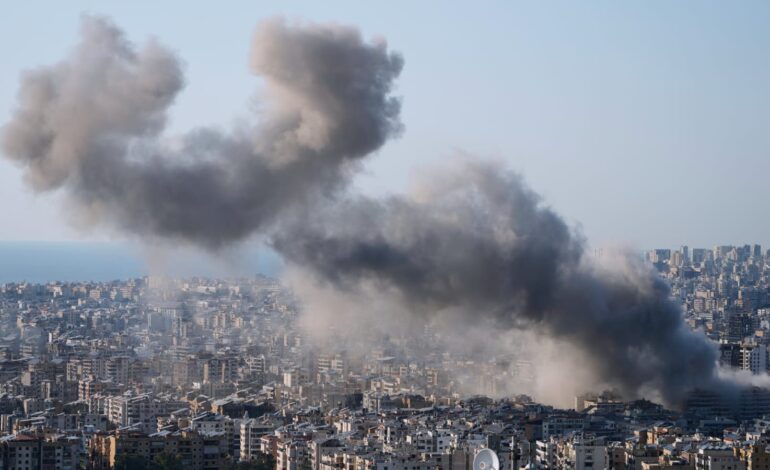

The first week of the war involving the United States and Iran has already cost more than $11.3 billion, according to reports citing a closed-door briefing by officials from the United States Department of Defense. The estimate, shared with members of the United States Congress, covers the first six days of military operations, highlighting the enormous financial burden associated with large-scale military conflicts.
The figure underscores how rapidly military expenditures can rise during modern warfare, especially when advanced weapons systems, large deployments, and complex logistical networks are involved. As tensions continue to escalate in the Middle East, analysts warn that the total cost of the conflict could rise significantly in the coming weeks and months.
The details were first reported by The New York Times, which said the estimate presented to lawmakers does not include additional pre-war costs such as deployments, logistics preparation, and equipment build-ups that occurred before the start of hostilities. When these factors are eventually included, the overall financial impact of the conflict is expected to increase substantially.
War Costs Already Surpass $11 Billion
According to the briefing, Pentagon officials informed lawmakers that operational costs during the first six days of the conflict had already exceeded $11.3 billion. The spending reflects a wide range of military activities conducted across the Middle East as part of the US campaign.
These costs include:
-
Air strikes and aerial combat operations
-
Naval deployments and maritime patrols
-
Intelligence and surveillance missions
-
Missile defence systems and interceptors
-
Logistics and support operations across the region
Modern military campaigns rely heavily on sophisticated technology and coordinated operations across multiple domains. Fighter jets, drones, naval vessels, and missile defence systems require continuous monitoring, maintenance, and operational support, all of which contribute to the rapidly rising costs of warfare.
Officials noted during the briefing that the $11.3 billion figure is only an initial estimate and that the total cost is likely significantly higher once additional expenses are fully calculated.
Pre-War Deployments Add to Overall Costs
The reported figure also does not include substantial expenses related to military preparations before the conflict began. Prior to the outbreak of hostilities, the United States significantly increased its military presence in the region.
These preparations included the deployment of:
-
Aircraft carriers and strike groups
-
Fighter jets and long-range bombers
-
Missile defence systems
-
Surveillance aircraft and drones
-
Thousands of additional military personnel
Such deployments involve massive logistical efforts, including transporting equipment and troops across continents, establishing operational bases, and maintaining supply chains for fuel, ammunition, and spare parts.
Military experts say that pre-war preparations often account for a large portion of total conflict spending, meaning the real financial cost of the war could already be far higher than the figure presented to Congress.
Costs Expected to Rise as Conflict Continues
Lawmakers expect the total cost of the conflict to grow substantially as the Pentagon continues calculating the expenses associated with ongoing military operations.
Large-scale conflicts require constant logistical support, including:
-
Transportation of personnel and equipment
-
Fuel for aircraft, ships, and ground vehicles
-
Maintenance and repair of weapons systems
-
Satellite and intelligence operations
-
Command and coordination infrastructure
Modern military technology also contributes to rising costs. Precision-guided missiles, advanced drones, and sophisticated surveillance systems are extremely expensive to produce and operate.
For example, many advanced missiles used in modern conflicts can cost millions of dollars per launch, meaning even short military campaigns can result in enormous financial expenditures.
Military analysts warn that if the conflict escalates or continues for an extended period, the total cost could increase dramatically.
Debate in Congress Over War Objectives
The rapidly rising cost of the war has sparked a debate among members of Congress about the objectives and long-term strategy behind the military campaign.
Some lawmakers have expressed concern that the administration has not clearly defined its goals for the conflict or how long military operations are expected to continue.
Senator Chuck Schumer, a leading Democratic lawmaker, criticized what he described as changing explanations for the war’s objectives. According to Schumer, officials have presented different reasons for the military action depending on the situation.
Among the objectives mentioned by various officials are:
-
Regime change in Iran
-
Targeting Iran’s nuclear programme
-
Weakening Iran’s naval capabilities
-
Deterring attacks on US allies in the region
Schumer argued that these shifting explanations make it difficult for lawmakers and the public to fully understand the strategic goals of the military campaign.
The lack of clarity has also led some members of Congress to call for greater transparency from the administration regarding the conflict’s objectives and expected timeline.
Uncertainty Over Duration of the Conflict
Another major concern raised by lawmakers is the uncertainty surrounding the potential duration of the war.
Some officials have suggested that the campaign could achieve its objectives relatively quickly. Others have warned that the conflict could become prolonged, particularly if regional tensions escalate further.
Schumer highlighted this uncertainty during discussions in Congress, stating that the mixed messages from officials have made it difficult to assess the likely length of the war.
He said that depending on who is speaking, the situation appears very different.
“Depending on who you ask, we’re either near the end of the war or we’re just getting started,” Schumer reportedly said.
Such uncertainty can complicate both military planning and budget forecasting, as prolonged conflicts typically require significantly higher levels of funding.
The Rising Cost of Modern Warfare
The financial scale of the conflict reflects a broader trend in global military operations. Modern warfare has become significantly more expensive than conflicts in previous decades due to the increasing reliance on advanced technology.
Several factors contribute to the high cost of contemporary military campaigns:
Advanced Weapons Systems
Modern militaries rely on sophisticated weapons systems such as stealth aircraft, precision-guided missiles, and advanced drones. These technologies require extensive research, development, and maintenance.
High-Technology Surveillance
Modern conflicts often involve advanced intelligence and surveillance systems, including satellites, radar networks, and cyber-intelligence platforms. Operating these systems requires specialized infrastructure and highly trained personnel.
Complex Logistics
Large-scale military operations require massive logistical networks to transport equipment, fuel, food, and medical supplies across long distances.
Expensive Precision Weapons
Precision weapons are designed to strike targets with high accuracy, but they can cost millions of dollars per unit. Large-scale missile exchanges can therefore rapidly increase the financial cost of a conflict.
These factors mean that even short military campaigns can result in billions of dollars in spending within days.
Broader Economic Implications
The financial impact of the war could extend beyond the US defence budget. Large-scale conflicts often have ripple effects across global markets and economic systems.
Several potential economic consequences are being closely monitored by analysts and policymakers:
Impact on the US Federal Budget
Major military operations can require additional funding from Congress, potentially affecting other areas of government spending.
Energy Market Volatility
Tensions in the Middle East can disrupt oil and gas supplies, potentially driving up global energy prices.
Global Trade Disruptions
Geopolitical instability can affect shipping routes, trade flows, and international investment.
Market Uncertainty
Financial markets often react to geopolitical conflicts with increased volatility, particularly in sectors such as energy, defence, and commodities.
Because the Middle East remains one of the world’s most strategically important regions for energy production and global trade routes, developments in the conflict are being closely watched by governments and investors worldwide.
The Strategic Importance of the Middle East
The conflict also highlights the continued strategic importance of the Middle East in global geopolitics. The region hosts key shipping routes, energy infrastructure, and military bases used by multiple international powers.
Any escalation in the conflict could have implications for:
-
Regional security alliances
-
Global energy supplies
-
International diplomatic relations
-
Military balances of power
The involvement of major powers in the region means that conflicts can quickly take on broader geopolitical significance.
What Comes Next?
As the conflict continues, both policymakers and military planners will be closely monitoring the evolving situation. The Pentagon is expected to provide additional updates to Congress as more detailed cost estimates become available.
Future spending will depend on several factors, including:
-
The duration of the military campaign
-
The scale of operations
-
The level of regional escalation
-
The involvement of allied forces
If the conflict expands or becomes prolonged, the financial cost could increase far beyond the initial estimate presented during the briefing.
The Pentagon’s estimate that the first week of the Iran war has already cost more than $11.3 billion highlights the immense financial scale of modern military conflicts.
While the figure reflects only the first six days of operational costs, additional expenses related to pre-war deployments, logistical preparations, and ongoing military operations are likely to push the total much higher.
At the same time, the rising costs have sparked debate in Congress about the objectives and long-term strategy of the conflict. Lawmakers are seeking greater clarity regarding the goals of the military campaign and the potential duration of the war.
As the situation continues to evolve, governments, financial markets, and global observers will be closely watching both the geopolitical and economic consequences of the ongoing conflict.
The early cost estimates serve as a reminder that modern warfare carries not only strategic and human consequences but also significant financial implications that can reshape national budgets and global economic stability.