
Qatar Airways Operates Limited Repatriation Flights
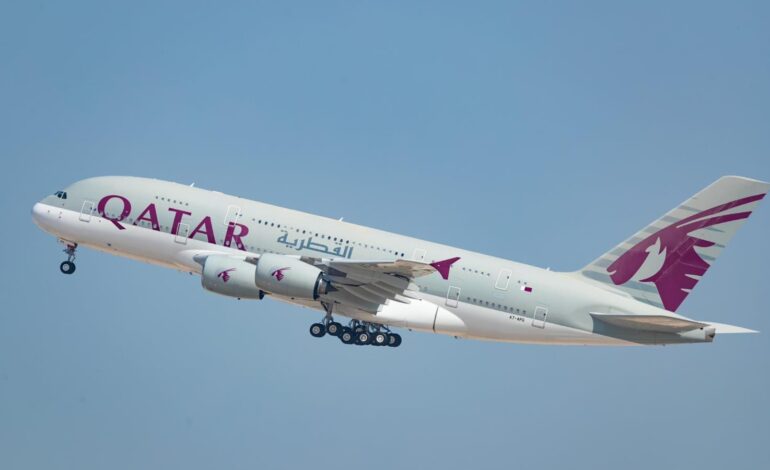

Qatar Airways will operate a limited number of repatriation flights from Hamad International Airport in Doha after authorities approved a temporary aviation corridor for safe departures. The flights aim to help stranded passengers leave Qatar during the ongoing regional security crisis that has disrupted air travel across the Middle East.
The airline stressed that these flights are emergency operations. They do not signal a return to normal airline services. Qatar’s airspace remains closed due to safety concerns linked to the evolving regional conflict.
The decision comes as airlines across the region face significant disruptions caused by rising geopolitical tensions. Many travellers remain stranded after airlines cancelled flights and closed several air routes.
Temporary Aviation Corridor Allows Limited Departures
The Qatar Civil Aviation Authority approved a temporary aviation corridor to allow limited flights to depart safely from Doha. Authorities created this special route to ensure aircraft can operate without entering restricted or high-risk airspace.
Aviation officials coordinated with airlines and international aviation organisations to design the safe corridor. They also introduced strict safety protocols for every approved flight.
Officials will closely monitor each departure to ensure the safety of passengers and crew. The corridor provides a controlled route for emergency flights while the wider airspace remains closed.
This arrangement forms part of broader efforts to manage travel disruptions affecting thousands of passengers across the region.
Qatar Airways Focuses on Stranded Travellers
Qatar Airways organised these repatriation flights to help travellers who cannot leave Qatar because of cancelled flights and airspace restrictions.
Many passengers who were travelling through Doha as part of connecting journeys found themselves unable to continue their trips. Flight suspensions across the region disrupted many travel plans.
The airline aims to provide safe travel options for passengers who need to leave the country urgently. Airline teams are coordinating flight schedules, passenger lists, and airport procedures to ensure smooth operations.
Officials say the repatriation flights will reduce pressure on stranded travellers while maintaining strict safety measures.
European Destinations Selected for Repatriation Flights
Qatar Airways confirmed that the emergency flights from Doha will operate to several major European cities. These cities serve as important international transit hubs.
The destinations include:
-
London Heathrow Airport
-
Paris Charles de Gaulle Airport
-
Madrid
-
Rome Fiumicino Airport
-
Frankfurt
These airports offer extensive global connections. Passengers arriving at these hubs can continue their journeys to destinations across Europe, North America, Asia, and other regions.
The airline selected these routes because they allow travellers to reconnect with major international flight networks.
Qatar Airways will operate only a limited number of flights. Officials will adjust schedules based on safety conditions and passenger needs.
Priority Given to Passengers with Urgent Needs
Qatar Airways will prioritise passengers who have urgent travel requirements. The airline identified several groups that need immediate assistance.
Priority will go to:
-
travellers stranded in Qatar
-
families travelling with children
-
older passengers
-
individuals who require urgent medical care
-
travellers with compassionate or humanitarian travel needs
The airline emphasised that passenger welfare remains its highest priority. Staff are working around the clock to assist travellers affected by the disruption.
Qatar Airways is also coordinating with foreign embassies and diplomatic missions. Many governments are helping identify citizens who need urgent travel assistance.
These efforts aim to ensure that vulnerable travellers receive support as quickly as possible.
Qatar’s Airspace Remains Closed
Despite the limited repatriation flights, Qatar’s airspace remains closed for most commercial operations.
Qatar Airways has suspended its regular flight schedule until the regional security situation improves. Most scheduled passenger flights remain cancelled.
Officials described the current repatriation flights as exceptional humanitarian operations. Authorities approved them specifically to assist stranded travellers.
Airspace closures often occur during periods of heightened military activity or geopolitical tension. Governments take these measures to protect passengers, aircraft, and aviation personnel.
Qatar’s aviation authorities will continue to evaluate the situation before reopening normal flight operations.
Additional Evacuation Flights May Be Added
Qatar Airways stated that it may organise additional repatriation flights if conditions allow.
The airline continues to monitor the regional security situation closely. Aviation officials are also assessing whether additional safe flight corridors can be created.
If new routes become available, the airline may expand the evacuation program to assist more passengers.
However, officials stressed that safety will determine every operational decision. Airlines must constantly adjust their plans when security risks change.
Flight operations in conflict-affected regions often shift rapidly as authorities reassess risks.
Important Advice for Passengers
Qatar Airways strongly advised travellers not to go to Hamad International Airport unless the airline contacts them directly.
Only passengers with confirmed bookings on repatriation flights should travel to the airport.
This measure helps prevent congestion at the airport. It also allows airport staff to manage passenger flows efficiently.
Passengers selected for evacuation flights will receive official notifications from Qatar Airways. The airline will send updates through email, mobile alerts, and official communication channels.
Travellers should monitor the airline’s website and customer service platforms for further announcements.
Following these instructions will help ensure a safe and organised departure process.
Regional Aviation Faces Major Disruptions
The ongoing crisis in the Middle East has created serious challenges for the aviation industry.
Several airlines across the region have cancelled flights or suspended operations. Others have rerouted aircraft to avoid high-risk airspace.
Airspace closures in parts of the Gulf have forced airlines to redesign flight paths. Some routes now take longer because aircraft must avoid certain regions.
Longer routes increase fuel costs and operational expenses for airlines.
Aviation experts warn that prolonged instability could continue to disrupt global travel networks. International flight schedules may remain unpredictable until security conditions improve.
Strategic Importance of Hamad International Airport
Hamad International Airport serves as one of the most important aviation hubs in the Middle East.
The airport acts as the main base for Qatar Airways and connects travellers to destinations across the world.
Passengers travelling between Europe, Asia, Africa, and the Americas often transit through Doha. The airport handles millions of passengers every year.
Because of its strategic role, disruptions at Hamad International Airport can affect airline networks worldwide.
When operations slow at major hubs, delays and cancellations can spread across global flight schedules.
The limited repatriation flights aim to reduce the impact of the disruption while maintaining strict safety standards.
Challenges Facing Airlines During Geopolitical Crises
Modern airlines rely on stable airspace conditions and predictable routes. Geopolitical tensions can quickly disrupt these systems.
When conflicts affect airspace safety, airlines must act immediately. They may suspend routes, reroute flights, or cancel services entirely.
These decisions involve complex coordination with aviation regulators and international safety agencies.
Airlines must also assist passengers whose travel plans suddenly change. Customer service teams work to provide alternative travel options and emergency support.
The current situation highlights the logistical challenges airlines face during periods of instability.
Global Aviation Authorities Monitor the Situation
International aviation regulators continue to monitor developments in the Middle East.
Aviation safety organisations regularly issue advisories to airlines about high-risk airspace. These advisories help airlines avoid dangerous regions.
Countries may close their airspace temporarily or restrict certain routes to protect commercial aircraft.
Airlines rely on real-time intelligence to make operational decisions.
The temporary aviation corridor approved for Qatar Airways demonstrates how governments and aviation authorities cooperate to maintain safe travel during crises.
Outlook for Regional Air Travel
The future of airline operations in the region remains uncertain. The reopening of airspace will depend on improvements in the security situation.
Authorities will continue to review risks before allowing regular commercial flights to resume.
In the meantime, airlines may operate limited services under strict safety guidelines.
Travellers should remain flexible and check flight updates regularly.
Airlines and aviation authorities will continue to prioritise passenger safety while managing disruptions.
Qatar Airways’ decision to operate limited repatriation flights from Hamad International Airport reflects the aviation industry’s efforts to manage travel disruptions during a period of heightened regional tension.
The temporary aviation corridor allows stranded passengers to leave Qatar safely while authorities maintain strict safety controls.
However, these flights do not mark a return to normal airline operations. Qatar’s airspace remains closed, and most scheduled flights remain suspended.
Airlines, aviation regulators, and governments continue to monitor the evolving situation closely.
As conditions change, Qatar Airways may organise additional evacuation flights to assist more travellers.
Until normal operations resume, aviation authorities will prioritise safety while helping passengers reach their destinations during this challenging period for global air travel.







1 Comment
[…] decision to operate additional flights highlights the importance of supporting travellers during periods of geopolitical […]
Comments are closed.