
Qatar Evacuates Area Near US Embassy in Doha
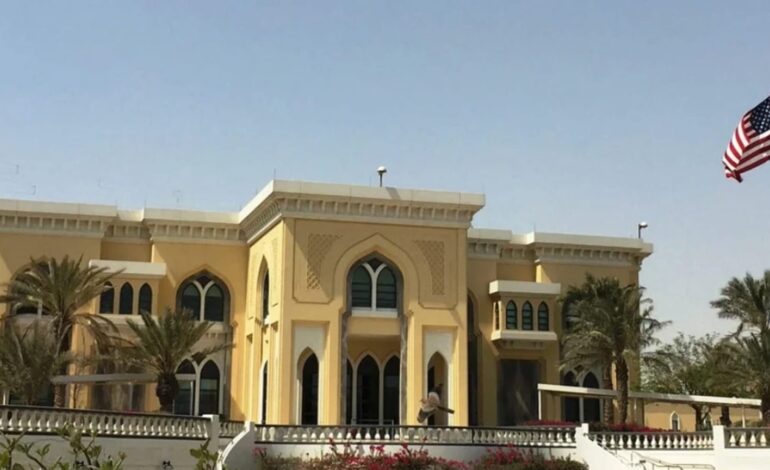

Authorities in Qatar have begun evacuating residents living near the United States Embassy in Doha as a precautionary safety measure amid rising regional tensions. The decision was announced by the Qatar Ministry of Interior, which stated that the evacuation is part of efforts to maintain public safety during a period of heightened geopolitical uncertainty.
The move follows reports of an Iranian strike targeting the US Consulate in Dubai earlier in the week. The incident raised security concerns across the Gulf region and prompted governments to strengthen protection around diplomatic missions.
Officials emphasised that the evacuation is temporary and preventive. Authorities say the step aims to protect residents while security agencies monitor the evolving regional situation.
Qatar Announces Precautionary Evacuation Near US Embassy
The Qatar Ministry of Interior confirmed that authorities began evacuating residents from areas surrounding the United States Embassy in Doha in the capital city of Doha.
In a statement posted on the social media platform X (social media platform), the ministry said the evacuation was carried out “in the framework of maintaining public safety.”
Officials explained that the relocation is a temporary precautionary measure. The government introduced the step as part of preventive security actions during a period of heightened regional tension.
Authorities reassured residents that the situation remains under control. They emphasised that the evacuation does not indicate an immediate threat but is part of a broader safety strategy.
Temporary Accommodation Provided for Residents
Authorities confirmed that residents who were asked to leave their homes received alternative accommodation.
The Qatar Ministry of Interior stated that temporary housing arrangements were organised to ensure the comfort and safety of affected residents.
Officials said:
“Suitable accommodation has been provided for them as part of necessary preventive measures.”
Providing immediate accommodation helps reduce disruption for residents. It also ensures that families affected by the evacuation remain safe while security measures continue.
Government teams are reportedly assisting residents with relocation and providing support services during the temporary evacuation.
Iranian Strike on US Consulate Triggered Regional Security Concerns
The precautionary evacuation comes shortly after an Iranian strike targeted the US Consulate in Dubai earlier in the week. According to initial reports, the incident caused a small fire but did not lead to significant damage or casualties. Despite the limited impact, the strike raised concerns about the safety of diplomatic facilities across the Gulf region.
Embassies and consulates often become sensitive locations during geopolitical tensions. As a result, host countries frequently increase security around diplomatic missions to protect both staff and civilians.
Following the Dubai incident, several Gulf countries began reviewing their security measures. Qatar’s evacuation decision reflects a proactive approach aimed at preventing potential risks.
Security Around Diplomatic Missions Strengthened
Diplomatic buildings such as embassies and consulates are typically among the most protected sites in any country. When geopolitical tensions rise, host nations usually increase security around these facilities.
Common protective measures include:
-
Increased police patrols
-
Temporary traffic restrictions
-
Enhanced surveillance systems
-
Security perimeters around diplomatic compounds
In some cases, authorities may temporarily evacuate nearby areas to minimise potential risks to civilians. Qatar’s evacuation near the United States Embassy in Doha reflects this type of preventive security strategy. Such actions are designed to reduce the risk of harm should a security incident occur.
Regional Tensions Affect Security Across the Gulf
The Middle East has recently experienced a surge in geopolitical tensions involving several regional and international actors. Conflicts and military actions in the region have increased concerns about the safety of infrastructure, diplomatic missions and civilian populations.
Governments across the Gulf are closely monitoring the situation. Many countries have strengthened security measures to ensure public safety. Authorities continue to coordinate with security agencies and international partners to assess potential risks. These efforts aim to maintain stability while preventing incidents that could threaten residents and diplomatic staff.
Qatar Emphasises Commitment to Public Safety
Qatari authorities have emphasised that protecting residents remains their highest priority. The Qatar Ministry of Interior regularly works with security agencies and emergency response teams to ensure readiness during periods of regional instability.
Officials say preventive actions are an essential part of crisis management. By taking early security measures, authorities can reduce risks and reassure residents that the government remains fully prepared. The temporary evacuation near the embassy forms part of this broader security strategy. Authorities say such steps help ensure that both residents and diplomatic staff remain protected.
Doha’s Role as a Major Diplomatic Hub
Doha serves as a key diplomatic centre in the Middle East. The city hosts numerous foreign embassies, international organisations and global institutions.
Because of this, security around diplomatic missions is particularly important. The United States Embassy in Doha plays an important role in diplomatic relations between the United States and Qatar.
The embassy also provides services to American citizens living in or visiting Qatar. Ensuring the safety of diplomatic facilities and nearby communities is therefore a priority for local authorities. Strong security measures help maintain diplomatic operations and protect residents.
Gulf Countries Increasing Security Measures
The evacuation in Doha reflects a wider trend across the Gulf region. Several countries have strengthened security measures amid rising geopolitical tensions.
Authorities have increased monitoring and protection around sensitive locations such as:
-
Diplomatic missions
-
Airports and aviation hubs
-
Energy infrastructure
-
Government buildings
These locations are considered critical for national security and economic stability. Protecting them remains a priority during periods of uncertainty. Enhanced security measures help ensure that residents and visitors remain safe.
Impact on Residents Living Near the Embassy
For residents living near the United States Embassy in Doha, the evacuation has temporarily disrupted daily routines. However, authorities have stressed that the relocation is only temporary.
Residents will be allowed to return to their homes once officials confirm that the area is fully secure. Government agencies are working to ensure that affected families receive support and accommodation during the evacuation period.
Providing assistance during such situations helps maintain trust between authorities and the local community. Clear communication also helps prevent confusion and reassure residents.
Preventive Security Measures During Crises
Security experts often highlight the importance of early preventive action during periods of geopolitical uncertainty. Evacuating areas near sensitive locations can significantly reduce risks to civilians.
Although such measures may appear dramatic, they are often part of well-established crisis management strategies. Preventive actions allow governments to prepare for potential threats while protecting civilian populations. Authorities can quickly adjust security plans if conditions change. These strategies help ensure that safety remains the top priority.
Qatar’s decision to evacuate residents living near the United States Embassy in Doha highlights the country’s proactive approach to public safety during a period of heightened regional tension.
The precautionary measure follows the reported Iranian strike on the US Consulate in Dubai earlier in the week, which raised security concerns across the Gulf.
By providing temporary accommodation and maintaining clear communication with residents, Qatari authorities are working to ensure safety while minimising disruption.
As the regional situation continues to evolve, governments across the Middle East are expected to maintain heightened security measures to protect civilians, diplomatic missions and critical infrastructure.





1 Comment
[…] cooperation between Qatar and the United States […]
Comments are closed.