
Sheikh Mohamed, Erdoğan Hold Talks on Gaza Crisis
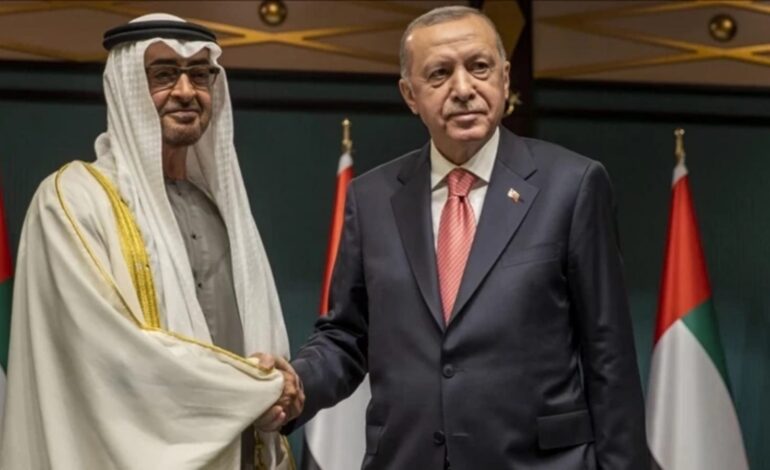

President Sheikh Mohamed bin Zayed Al Nahyan of the United Arab Emirates held an important phone conversation with Recep Tayyip Erdoğan, President of Turkey, focusing on the worsening humanitarian crisis in Gaza Strip and wider regional developments.
The high-level discussion reflected the shared commitment of both leaders to diplomacy, humanitarian relief, and regional stability at a time of heightened geopolitical tension in the Middle East. The call underscored the importance of coordinated international efforts to reduce civilian suffering, maintain ceasefire arrangements, and pursue long-term political solutions.
Diplomatic Engagement Amid Regional Turbulence
The phone call comes as the Middle East continues to face complex and overlapping crises, with Gaza at the centre of global humanitarian concern. Both the UAE and Turkey have positioned themselves as key diplomatic actors advocating for peace, dialogue, and humanitarian access amid prolonged conflict.
During the conversation, Sheikh Mohamed and President Erdoğan reaffirmed the importance of sustained diplomatic communication between regional powers. They emphasised that dialogue among nations remains essential to preventing further escalation and to promoting stability, security, and development across the region.
Focus on the Gaza Humanitarian Crisis
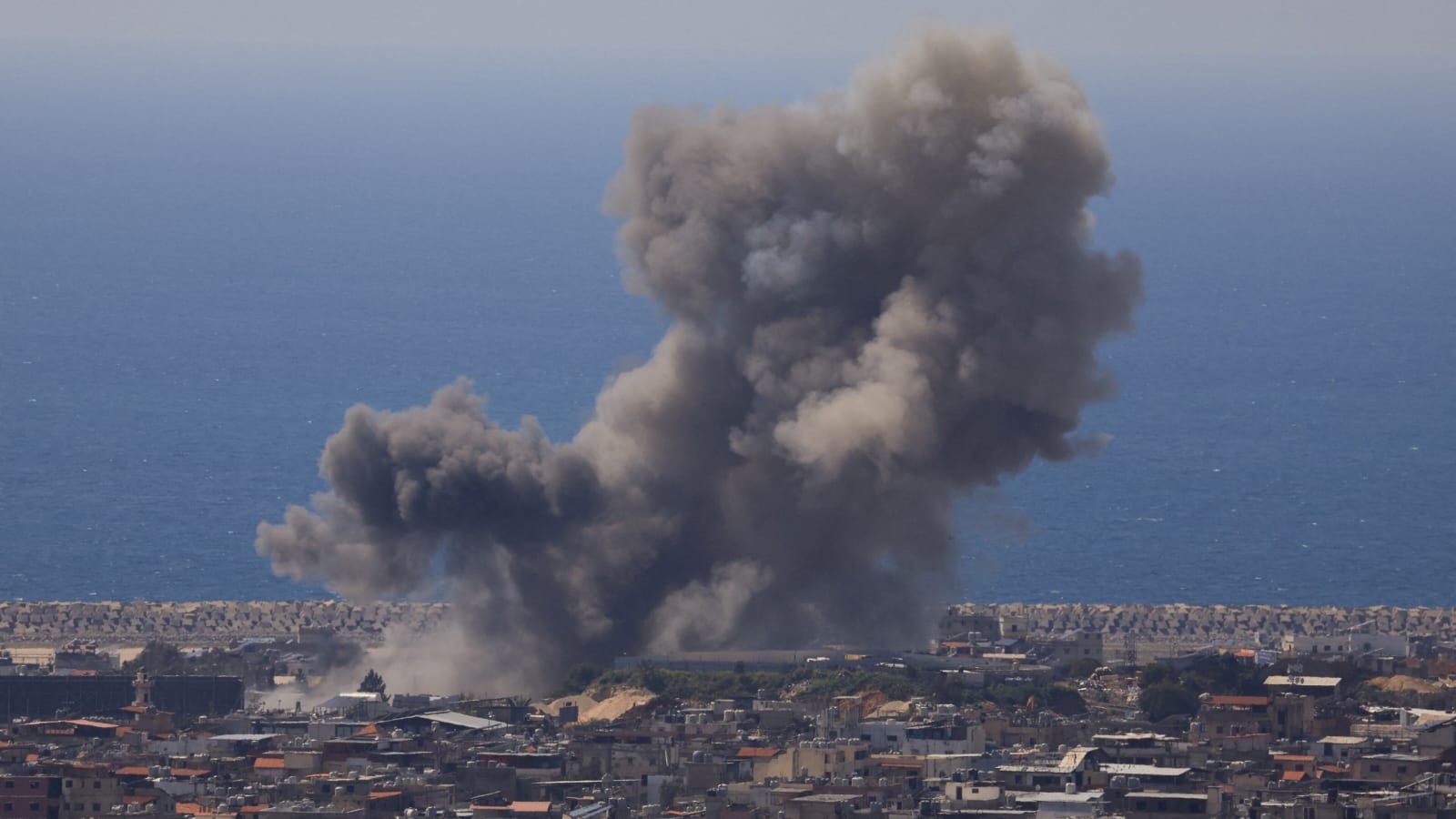
A central theme of the discussion was the deteriorating humanitarian situation in Gaza, where civilians continue to face severe shortages of food, water, medical supplies, and shelter as a result of ongoing hostilities.
Both leaders expressed deep concern over the impact of the conflict on civilians, particularly women and children. They stressed the urgent need to alleviate human suffering and to ensure that humanitarian assistance reaches those most in need without delay or obstruction.
Key priorities highlighted during the call included:
-
Maintaining the ceasefire to prevent further civilian casualties
-
Ensuring uninterrupted humanitarian aid deliveries
-
Supporting relief operations for displaced populations
-
Addressing shortages of essential food, water, and medical care
The leaders agreed that the humanitarian situation in Gaza requires sustained international attention and coordinated action to prevent further deterioration.
Importance of Maintaining the Ceasefire
Sheikh Mohamed and President Erdoğan emphasised that upholding ceasefire agreements is critical not only for reducing violence but also for enabling humanitarian organisations to operate effectively on the ground.
They noted that any breakdown in ceasefire arrangements risks worsening civilian suffering and undermining efforts to stabilise the region. Both leaders called on all parties to exercise restraint and to prioritise the protection of civilians in line with international humanitarian law.
Maintaining calm, they agreed, is essential for creating the conditions necessary for humanitarian access, reconstruction, and renewed diplomatic engagement.
Ensuring Humanitarian Aid Access
Another major focus of the conversation was the importance of ensuring safe, reliable, and sustained access for humanitarian aid into Gaza. Sheikh Mohamed and President Erdoğan highlighted the need for open humanitarian corridors and efficient logistics systems that allow relief agencies to deliver assistance at scale.
They stressed that humanitarian aid must not be politicised or delayed, particularly given the scale of displacement and destruction in Gaza. Both leaders called for international cooperation to support aid agencies, protect humanitarian workers, and ensure that assistance reaches civilians quickly and safely.
The discussion reflected a shared belief that humanitarian action is not optional but a moral and legal responsibility of the international community.
Reaffirming Support for a Two-State Solution
Beyond immediate humanitarian concerns, Sheikh Mohamed and President Erdoğan reiterated their shared support for a comprehensive political solution to the Israeli-Palestinian conflict based on the internationally recognised two-state framework.
They emphasised that a two-state solution envisioning independent Israeli and Palestinian states living side by side in peace and security remains the most viable path to achieving lasting stability in the region.
Both leaders noted that without a credible political horizon, cycles of violence are likely to continue. Their reaffirmation of the two-state solution reflects ongoing diplomatic efforts by regional and global actors to revive meaningful peace negotiations.
UAE’s Diplomatic and Humanitarian Role
The conversation also highlighted the UAE’s ongoing role as a leading contributor to humanitarian relief efforts in Gaza and other conflict-affected regions. Over the years, the UAE has delivered significant humanitarian aid, including food supplies, medical assistance, and infrastructure support.
Emirati humanitarian organisations, including the UAE Red Crescent and government-led initiatives, have been actively involved in providing emergency relief, supporting healthcare facilities, and assisting displaced populations.
This commitment aligns with the UAE’s broader foreign policy approach, which places humanitarian action, development support, and conflict mitigation at the core of its international engagement.
Strengthening UAE–Turkey Bilateral Relations
Beyond Gaza, Sheikh Mohamed and President Erdoğan discussed ways to further strengthen bilateral relations between the UAE and Turkey. The two leaders explored opportunities to enhance cooperation across economic, political, and cultural sectors that serve shared interests.
UAE–Turkey relations have expanded significantly in recent years, with growing collaboration in trade, investment, energy, tourism, and technology. High-level engagements such as this phone call reflect a mutual desire to deepen strategic ties and coordinate positions on regional and international issues.
The leaders reaffirmed their commitment to continued dialogue and cooperation as part of a broader partnership aimed at promoting stability and prosperity.
Shared Perspectives on Regional Developments
In addition to Gaza, the discussion covered wider regional and international developments, including ongoing humanitarian challenges and peace efforts in neighbouring areas affected by conflict.
Sheikh Mohamed and President Erdoğan exchanged views on how regional cooperation and diplomacy can contribute to de-escalation, reconstruction, and long-term stability. They emphasised the importance of coordinated approaches that bring together regional actors, international organisations, and humanitarian agencies.
By aligning perspectives on key geopolitical issues, the UAE and Turkey reinforced their shared commitment to peaceful solutions and constructive engagement.
Why This Diplomatic Dialogue Matters
The phone call between Sheikh Mohamed and President Erdoğan underscores the importance of high-level diplomacy in addressing complex global crises. As conflicts become increasingly interconnected, coordination among influential regional leaders plays a critical role in shaping humanitarian responses and political outcomes.
The Gaza crisis, in particular, has highlighted the need for sustained diplomatic leadership to protect civilians, support relief efforts, and keep pathways to peace open. Engagements like this demonstrate how dialogue can help align humanitarian priorities and reinforce international norms.
International Coordination and the Path Forward
Both leaders acknowledged that resolving the crisis in Gaza will require sustained international cooperation. Humanitarian relief, ceasefire maintenance, and political dialogue must work in parallel to address both immediate needs and long-term challenges.
They stressed that international partners, regional organisations, and global institutions all have roles to play in supporting peace initiatives and humanitarian operations. The conversation reflects a broader recognition that no single actor can resolve the crisis alone.
Conclusion
The phone conversation between President Sheikh Mohamed bin Zayed Al Nahyan and Turkey’s President Recep Tayyip Erdoğan highlighted shared concern over the humanitarian crisis in Gaza, reaffirmed the importance of maintaining the ceasefire, and underscored the urgent need for uninterrupted humanitarian aid access.
Both leaders reiterated their support for a two-state solution as the foundation for lasting peace and stability in the region. The discussion also reinforced the growing strategic partnership between the UAE and Turkey, emphasising cooperation on regional and international challenges.
As diplomatic efforts continue, sustained dialogue, humanitarian focus, and international coordination will remain essential to easing civilian suffering and working toward long-term peace in the Middle East.



2 Comments
[…] and addressing urgent humanitarian concerns, Phase Two introduces mechanisms intended to reshape Gaza’s political and security […]
[…] dominate policy discussions, aid agencies stress that the chaotic departures also create major humanitarian dangers, particularly for women and […]
Comments are closed.