
Strait of Hormuz Risks Rattle Gulf Energy
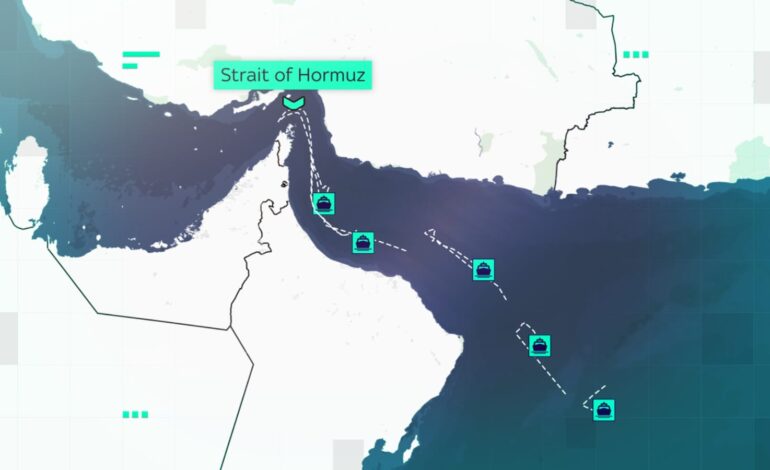

The Strait of Hormuz has once again become the focal point of global energy anxiety after recent Iran-related attacks heightened fears over the security of Gulf oil flows. As geopolitical tensions escalate across the Middle East, energy markets, shipping companies and governments are closely watching this narrow but vital maritime corridor.
At the same time, the latest developments have underscored a long-standing reality: any disruption in the Strait of Hormuz can send shockwaves through global oil markets, supply chains and economic stability. With nearly one-fifth of the world’s seaborne oil moving through this route, even limited threats can trigger price volatility and insurance surges.
In this analysis, we break down why the Strait of Hormuz matters so much, how the current Iran conflict is raising transport risks, and what it could mean for the UAE, the wider Gulf and the global economy.
Why the Strait of Hormuz Is the World’s Most Critical Oil Chokepoint
The Strait of Hormuz is widely considered the most strategically important energy corridor on the planet. It links the Arabian Gulf with the Gulf of Oman and the wider Indian Ocean, serving as the primary export route for major oil producers including Saudi Arabia, the UAE, Iraq, Kuwait and Qatar.
Key facts highlighting its importance:
-
Roughly 20% of global oil consumption passes through the strait
-
Around 20–30% of global oil and gas supplies transit the waterway
-
Approximately 15 million barrels per day of crude and 5.5 million barrels of refined products recently flowed through it
Because so much energy supply depends on this narrow passage, any military escalation in the region quickly becomes a global economic concern. Consequently, markets tend to react immediately to even minor security incidents in the area.
Iran Conflict Puts Shipping Routes Under Pressure
The current spike in concern follows US and Israeli strikes on Iran that triggered retaliatory actions and heightened military activity across the Gulf. As a result, tanker traffic in the Strait of Hormuz has already shown signs of disruption.
Several warning signals have emerged:
-
Tanker traffic slowing or diverting
-
Ships queueing near the strait’s entrance
-
Some vessels turning back rather than transiting
-
Maritime insurers reassessing risk exposure
In at least one reported incident, a tanker near Oman was struck amid the tensions, highlighting the growing threat to commercial shipping.
Importantly, even without a full closure of Hormuz, these developments significantly increase market nervousness and operational risk for shipping companies.
War-Risk Insurance Costs Surge
One of the earliest economic impacts of the crisis has been a sharp rise in maritime insurance premiums. Typically, insurance markets react faster than physical oil flows, making them a key early warning signal.
War-risk insurers have reportedly issued cancellation notices and warned that premiums could jump by as much as 50% for ships moving through the Gulf and the Strait of Hormuz.
For shipowners, this means:
-
Higher operating costs
-
More complex voyage planning
-
Possible rerouting of cargo
-
Reduced effective shipping capacity
Consequently, even if oil continues to flow, the cost of moving it to global markets may rise significantly. Over time, these higher logistics costs can feed directly into global fuel prices.
Oil Markets React to Supply Fears
Energy markets have already begun pricing in geopolitical risk. Brent crude surged following the latest escalation, briefly touching a 12-month high above $82 per barrel before easing slightly.
However, analysts stress that the key issue is not simply whether supply will be disrupted, but how persistent the risk environment becomes.
If tensions continue, markets could see:
-
Rising geopolitical risk premiums
-
Longer shipping delays
-
Higher global fuel prices
-
Renewed inflation pressures
Economists warn that a prolonged crisis could push oil toward $100 per barrel or higher, depending on the severity and duration of disruption.
Gulf Producers Hold Spare Capacity Buffer
Despite the rising risks, there is an important stabilising factor: spare production capacity within OPEC+.
Currently, the alliance holds roughly 3.5 million barrels per day of spare capacity, largely concentrated in Saudi Arabia and the UAE.
This buffer could help offset supply losses if:
-
Iranian exports decline
-
Iraqi shipments face disruption
-
Tanker flows slow temporarily
Nevertheless, spare capacity cannot fully compensate for unsafe shipping lanes. Even if producers can pump more oil, it must still move safely through Hormuz to reach global buyers.
Therefore, transport security remains the market’s primary concern.
OPEC+ Responds With Measured Output Increase
Against this volatile backdrop, OPEC+ recently agreed to increase production by 206,000 barrels per day starting in April.
The move sends several important signals to the market.
It suggests:
-
Producers are attempting to calm markets
-
The alliance is closely monitoring conflict risks
-
Supply flexibility remains available
However, the increase was more modest than some analysts had expected. This cautious approach reflects the high level of geopolitical uncertainty currently facing energy markets.
Why the UAE and Gulf Economies Are Watching Closely
For the UAE and neighbouring Gulf states, the Strait of Hormuz is not merely a global issue it is a direct national economic concern.
The region depends heavily on:
-
Energy exports
-
Maritime trade
-
Stable shipping lanes
-
Strong investor confidence
Any prolonged disruption could affect:
-
Government revenues
-
Shipping and logistics sectors
-
Energy market stability
-
Regional risk premiums
So far, major Gulf production facilities have avoided direct damage, which has helped prevent panic in energy markets. Even so, authorities remain on heightened alert.
Shipping Industry Faces Operational Challenges
Beyond oil prices, the maritime industry is confronting immediate operational pressures. Shipping companies must now navigate a far more complex risk environment.
Key challenges include:
-
Rising insurance premiums
-
Real-time security monitoring
-
Potential naval escort requirements
-
Route diversification planning
In response, some carriers have already reconsidered or temporarily suspended Hormuz transits. If tensions worsen, shipping congestion and delays could ripple through global supply chains.
Global Economic Implications
The stakes extend well beyond the Middle East. Asia, in particular, is highly exposed because it receives the majority of crude shipments passing through Hormuz.
Major importers include:
-
China
-
India
-
Japan
-
South Korea
Together, these economies depend heavily on uninterrupted Gulf energy flows. Consequently, any sustained disruption could quickly affect manufacturing, transport and power generation across Asia.
Historically, higher oil prices translate into:
-
Rising inflation
-
Higher transport costs
-
Slower economic growth
-
Pressure on emerging markets
Therefore, global policymakers are watching developments in Hormuz extremely closely.
Could the Strait of Hormuz Actually Close?
While Iran has periodically threatened to close the strait, a full shutdown remains unlikely — though not impossible.
Experts highlight several constraints:
-
Closure would also hurt Iran’s own exports
-
It would likely trigger a major international response
-
Risks of broad regional escalation are high
-
Global market damage would be severe
However, partial disruption is far more plausible and may already be unfolding through:
-
Drone and missile threats
-
Maritime warnings
-
Insurance withdrawals
-
Ship rerouting
Crucially, markets often react strongly even to limited interference.
Strategic Importance for Energy Security
The current crisis highlights a structural vulnerability in the global energy system: heavy dependence on narrow maritime chokepoints.
Energy analysts have long warned that the concentration of oil flows through Hormuz creates systemic risk for the global economy.
In response, many countries and companies are working to:
-
Diversify supply routes
-
Build strategic petroleum reserves
-
Invest in alternative energy
-
Expand pipeline infrastructure
Nevertheless, despite these efforts, the Strait of Hormuz remains largely irreplaceable in the near term.
What Investors and Markets Should Watch Next
In the coming weeks, several indicators will determine whether the situation stabilises or escalates further.
Key signals to monitor:
-
Oil tanker traffic patterns
-
War-risk insurance pricing
-
Military activity in the Gulf
-
OPEC+ policy adjustments
-
Iran’s next strategic moves
If tanker flows normalise, markets could calm relatively quickly. However, sustained disruption may keep energy volatility elevated well into 2026.
The latest Iran-related tensions have pushed the Strait of Hormuz back into the global spotlight, exposing just how fragile the world’s energy transport system remains.
While OPEC+ spare capacity and Gulf production resilience provide some cushion, the real risk lies in shipping security. Even limited interference in this critical chokepoint can drive oil prices higher, inflate insurance costs and unsettle global markets.
For the UAE and the wider Gulf, maintaining secure energy routes is not just an economic priority it is a strategic necessity. As tensions continue to evolve, the world will be watching the Strait of Hormuz more closely than ever.



5 Comments
[…] naval warfare unfolding across the Arabian Gulf, the Gulf of Oman and the strategic waters near the Strait of Hormuz. The naval strikes are part of a broader US-led military campaign targeting Iran’s military […]
[…] shipping routes pass through the Strait of Hormuz, one of the world’s most important maritime chokepoints. Any military escalation in the region […]
[…] infrastructure and shipping routes in the Middle East. One of the main areas of concern is the Strait of Hormuz, one of the world’s most critical oil transit […]
[…] Strait of Hormuz is one of the most strategically important waterways in the world. It connects the Persian Gulf to […]
[…] Strait of Hormuz, located between Iran and several Gulf states, is one of the world’s most important energy […]
Comments are closed.