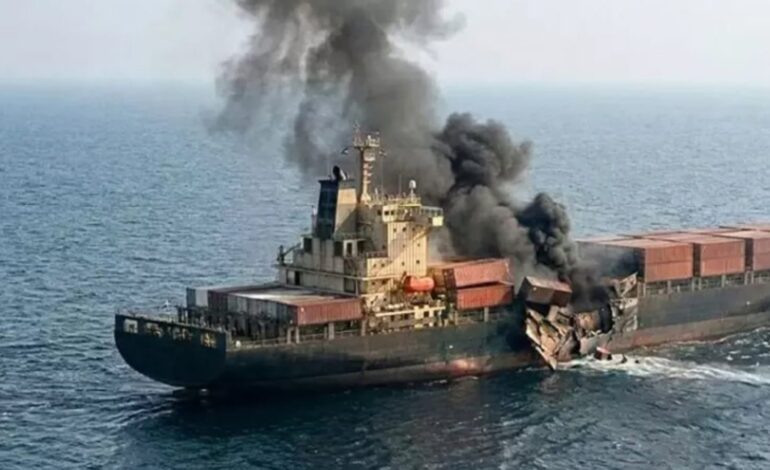

A tanker anchored off the coast of Kuwait has reported a loud explosion followed by an oil spill into surrounding waters, raising concerns about maritime safety and environmental damage in the Gulf region.
The incident was reported early Thursday by the United Kingdom Maritime Trade Operations (UKMTO), an organisation that monitors shipping activity and maritime security across key routes in the Middle East.
According to the report, the explosion occurred while the tanker was anchored near Kuwait’s coastline. Shortly after the blast, a small craft was seen leaving the area.
Although the crew members were reported safe and no fire was detected on the vessel, the incident has triggered concerns about the safety of commercial shipping in one of the world’s most important energy corridors.
Authorities are now monitoring the situation closely while maritime security agencies gather more information about the incident.
Explosion Reported Near Kuwait Coast
The master of the tanker reported hearing a loud explosion while the vessel was anchored near Kuwait’s coastline.
According to the United Kingdom Maritime Trade Operations report, the explosion occurred suddenly and was followed by the sighting of a small craft leaving the area. This observation has raised questions about whether the incident could have involved external interference or sabotage.
However, authorities have not yet confirmed the cause of the explosion. Maritime security agencies and regional authorities are expected to conduct a detailed investigation to determine exactly what happened.
Incidents involving tankers in the Gulf region receive immediate attention because the area serves as a major route for global oil shipments. Even minor disruptions can have significant consequences for shipping companies and international energy markets.
Oil Spill Detected in Surrounding Waters
Following the explosion, oil was observed leaking into the surrounding sea from one of the tanker’s cargo tanks.The United Kingdom Maritime Trade Operations confirmed that the spill could have environmental consequences if it spreads further.
The organisation stated:
“There is oil in the water coming from a cargo tank which could have some environmental impact.”
Oil spills in marine environments can pose serious risks to ecosystems. When crude oil spreads across the water surface, it can harm fish populations, seabirds and other marine life. Oil contamination can also affect coastal areas and fishing industries if the spill reaches shorelines.
Environmental authorities may deploy containment equipment such as oil booms to limit the spread of the spill. Cleanup teams may also conduct environmental assessments to evaluate the damage.
Tanker Takes on Water but Crew Safe
Despite the explosion, there were no reports of fire on board the vessel. However, the tanker reportedly began taking on water after the incident, suggesting that the blast may have damaged part of the ship’s structure. The United Kingdom Maritime Trade Operations confirmed that all crew members were safe.
The agency said:
“The vessel has taken on water, there are no fires reported and the crew are safe and well.”
Emergency response teams and maritime authorities will likely inspect the tanker to determine the extent of structural damage. Specialists may also evaluate whether the vessel can remain safely anchored or needs to be moved for repairs.
Strategic Importance of Gulf Shipping Routes
The Gulf region plays a critical role in global energy transportation. Large volumes of crude oil pass through these waters every day as tankers transport energy supplies to markets around the world.
Shipping lanes near Kuwait connect to major export routes that lead through the Strait of Hormuz, one of the world’s most important maritime chokepoints. A significant percentage of global oil exports travel through this route.
Because of this strategic importance, security incidents involving tankers often raise concerns among governments, shipping companies and energy markets. Authorities monitor maritime activity in the region closely to ensure the uninterrupted flow of energy supplies.
Role of Maritime Security Monitoring
The United Kingdom Maritime Trade Operations plays a vital role in monitoring maritime security across the Middle East. The organisation provides real-time alerts and updates to commercial vessels operating in the region.
Shipping companies rely on these alerts to assess potential threats and adjust their operations accordingly. UKMTO reports often include information about suspicious activity, security incidents and navigational risks.
This system helps vessels remain informed about possible dangers while travelling through sensitive maritime areas. Such monitoring is particularly important in regions where geopolitical tensions may affect shipping safety.
Environmental Risks From Oil Spills
Oil spills are among the most serious environmental risks in marine environments. Crude oil can spread quickly across the water’s surface depending on weather conditions and ocean currents. The contamination can affect fish, coral reefs, seabirds and other marine species. Oil spills may also damage coastal ecosystems and disrupt fishing industries.
Environmental response teams typically deploy containment booms to prevent oil from spreading. Specialised vessels may also collect oil from the water surface. Authorities often conduct environmental impact assessments to determine the full scale of damage. Quick containment is essential to minimise long-term environmental consequences.
Maritime Security Concerns in the Gulf
Incidents involving tankers in the Gulf often attract international attention. The region is responsible for a large share of global oil exports, making maritime safety a top priority. Shipping lanes near Kuwait, Saudi Arabia and other Gulf countries handle millions of barrels of oil every day.
Any disruption in these waters could affect global energy markets. Governments and international maritime organisations frequently cooperate to maintain security along these routes.
Naval patrols, satellite monitoring and maritime intelligence networks help detect potential threats.Maintaining safe shipping corridors is essential for global trade and energy supply.
Possible Causes of the Explosion
Authorities have not yet determined the exact cause of the explosion. Investigators will likely examine several possible explanations.
These may include:
-
Mechanical failure within the vessel
-
Accidental damage to cargo tanks
-
External interference or sabotage
-
Collision with another object
The sighting of a small craft leaving the area shortly after the explosion may receive particular attention during the investigation. Maritime investigators often analyse multiple sources of information. These include satellite imagery, vessel tracking data and crew testimony. Such investigations can take time as experts carefully examine all available evidence.
Potential Impact on Shipping Operations
Although the incident has not yet disrupted major shipping routes, it highlights the vulnerability of vessels operating in sensitive maritime regions. Shipping companies may increase vigilance while operating in Gulf waters.
Crew members are often instructed to report suspicious activity immediately to maritime authorities. Insurance companies may also reassess risk levels for vessels travelling through the region.
Changes in risk assessments can influence shipping costs and operational planning. However, authorities are working to ensure that commercial shipping continues without major disruptions.
Importance of Maritime Safety Measures
Maintaining maritime safety in the Gulf is essential for both regional stability and the global economy. Energy supplies from the Middle East support industries and households across Asia, Europe and the Americas.
Protecting shipping routes ensures that oil and gas exports reach international markets without interruption. International cooperation plays a crucial role in maintaining maritime safety.
Naval forces, maritime agencies and shipping companies often coordinate their efforts to monitor potential threats. Rapid responses to incidents help prevent larger disruptions. Effective communication between maritime authorities and vessel operators also improves safety.
Global Attention on Gulf Maritime Security
Incidents involving tankers in strategic regions like the Gulf quickly attract international attention. Energy markets, shipping companies and governments closely monitor developments in the area.
Even isolated incidents can raise questions about the safety of maritime transport. Energy analysts often watch these events carefully because they can influence oil prices. Concerns about shipping disruptions can lead to market volatility. For this reason, maritime safety remains a key issue for global economic stability.
The reported explosion and oil spill involving a tanker off the coast of Kuwait has raised concerns about maritime security and environmental risks in the Gulf region.
Although the crew members are safe and no fire was reported, the presence of oil in surrounding waters highlights the potential environmental impact of the incident.
Authorities and maritime agencies are expected to investigate the cause of the explosion while monitoring the oil spill. The Gulf remains one of the most important shipping corridors in the world.
Ensuring the safety of vessels operating in these waters is essential for protecting marine ecosystems, maintaining global energy supply chains and supporting international trade.