Top 10 Super-Tall Buildings Under Construction in 2025
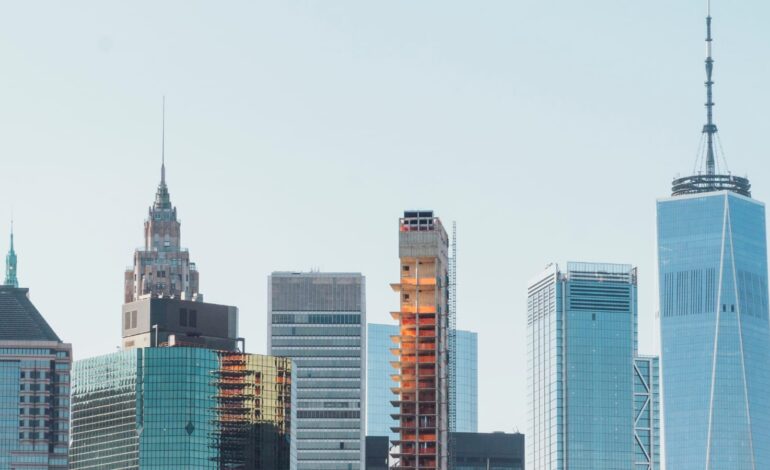

The global skyline continues to evolve dramatically as cities race to build ever taller and more ambitious skyscrapers. In 2025, the world’s top super-tall buildings under construction span continents, showcase cutting-edge engineering and push the limits of height and design. These architectural giants are transforming urban landscapes in the Middle East, Asia, the Americas, and beyond.
Super-tall buildings — generally defined as those exceeding 300 metres in height — symbolize economic ambition, urban density solutions, and technological excellence. They serve as hubs for offices residences hotels observation decks and more. Dubai, Saudi Arabia, China, Brazil and other nations feature prominently on the list of towers that will dominate future skylines.
This article highlights the top 10 super-tall buildings currently under construction as of late 2025, including their location height and expected completion where available.
1. Jeddah Tower — Jeddah, Saudi Arabia
Height: approx 1000 metres
Location: Jeddah Economic City, Saudi Arabia Completion: expected by 2028
The Jeddah Tower leads the ranking as the most ambitious skyscraper currently rising above the Earth’s surface. Designed to exceed the one-kilometre mark, this megatall structure aims to surpass the Burj Khalifa and redefine global architectural limits. Its sleek aerodynamic form helps reduce wind forces while dominating the Red Sea skyline.
The tower includes mixed use spaces such as commercial offices luxury residences and a world-class observation deck.
2. Burj Azizi — Dubai, UAE
Height: 725 metres
Location: Dubai, United Arab Emirates Completion: by 2028
The Burj Azizi project in Dubai is set to become one of the tallest structures in the region. It was originally known as Entisar Tower before rebranding and the resumption of construction in 2025. Once completed it will be the second tallest building in the world after Jeddah Tower and add to Dubai’s reputation as a leader in super-tall architecture.
Strategically placed near major urban hubs this tower will house mixed uses and panoramic vantage points of the city.
3. Merdeka 118 (Fitting Out) — Kuala Lumpur, Malaysia
Height: 679 metres
Location: Malaysia
Completion: ongoing follow up works
Merdeka 118 has reached its structural top and is in the process of interior work and completing its mixed use spaces. The building already stands as one of the tallest in Southeast Asia and remains a significant project in Malaysia’s skyline evolution.
The tower includes office and retail spaces observation levels and supports cultural tourism.
4. Goldin Finance 117 — Tianjin, China
Height: 597 metres
Location: Tianjin, China Completion: expected by 2027
The Goldin Finance 117 skyscraper, once halted and dubbed the world’s largest unoccupied building, has resumed construction and is rising again. This Chinese project demonstrates how long-paused megastructures can return to life and push urban skylines higher.
Its striking height and distinctive profile make it a standout tower in northern China.
5. Burj Binghatti Jacob & Co Residences — Dubai, UAE
Height: 595 metres
Location: Business Bay, Dubai Completion: expected by 2027
This Dubai project combines luxury residences with exclusive amenities. A collaboration between Binghatti Properties and Jacob & Co the tower targets new definitions in high-end residential super-tall living with sky gardens private gyms lounges and concierge-style services.
A standout feature is its position in Business Bay — a rapidly developing district of Dubai.
6. Senna Tower — Balneario Camboriu, Brazil
Height: 544 metres
Location: Brazil
Completion: expected by 2030
Named after the legendary Formula One driver Ayrton Senna the Senna Tower will transform the skyline along Brazil’s coast. Designed by the driver’s niece the building celebrates local heritage while adding international prestige to South American skyscraper design.
It is one of the region’s tallest planned residential super-talls.
7. Tiger Sky Tower — Dubai, UAE
Height: 532 metres
Location: Dubai, United Arab Emirates Completion: expected between 2028 and 2029
Another towering project in Dubai is Tiger Sky Tower. More than just a tall building this project includes ambitious features such as the world’s highest infinity pool and a rooftop park, as well as vast interior spaces with leisure and restaurant facilities.
It reflects Dubai’s blend of architecture innovation and lifestyle concepts.
8. Six Senses Residences Dubai Marina — Dubai, UAE
Height: 517 metres
Location: Dubai Marina, United Arab Emirates Completion: expected by 2028
This super-tall residential tower known as Six Senses Residences seeks to become Dubai Marina’s most iconic residential skyscraper. With more than 120 floors planned it is positioned among premium luxury living environments with sweeping city and water views.
The tower advances Dubai’s ambition to combine world class real estate with super-tall architecture.
9. The Line (Stage Construction) — Tabuk, Saudi Arabia
Height: approximately 500 metres Location: Tabuk Region, Saudi Arabia Completion: first phases by 2030
The futuristic The Line city project, part of Saudi Arabia’s NEOM development, includes super-long vertical buildings extending over 170 kilometres. Technically a vast series of interconnected vertical towers, the design redefines what skyscrapers can mean in the context of smart city planning.
Though nontraditional due to its length and concept its height places it among the most remarkable under-construction vertical structures.
10. Greenland Jinmao International Financial Center — Nanjing, China
Height: approx 499.8 metres Location: Nanjing, China Completion: expected by 2028
Rounding out this list is the Greenland Jinmao IFC in eastern China’s Nanjing. This building balances striking architectural design with strategic urban development objectives. At just under 500 metres it still qualifies as a super-tall landmark and signals continued skyscraper growth across China.
Why Supertall Buildings Matter
Super-tall skyscrapers serve multiple purposes in modern cities:
Economic symbols – They showcase investment strength and urban competitiveness. Mixed use spaces – Many combine offices residences hotels retail and leisure.
Urban density solutions – Taller footprints help cities maximize land use.
Tourism magnets – Observation decks and iconic designs attract global visitors.
These buildings also push the limits of engineering and structural innovation, reflecting how cities envision their future in the 21st century.
Global Trends in Super-Tall Construction
Several global trends are evident from this list:
Middle East prominence – Dubai and Saudi Arabia are major hubs of super-tall projects. China’s continued skyscraper boom – Cities like Nanjing and Tianjin feature multiple entries.
Innovation and luxury residential – Towers like Burj Binghatti and Six Senses blend super-tall scale with elite living.
New regions entering the race – Projects like Senna Tower in Brazil show super-tall ambition expanding worldwide.
This diversification of locations underscores the global appetite for dramatic skylines and verticality as a symbol of economic confidence and design capability.
Conclusion
The world’s tallest buildings under construction in 2025 reflect human ambition, architectural innovation and urban competitiveness. From the Jeddah Tower’s kilometre-plus height to
Dubai’s cluster of super-tremendous residential and mixed-use towers, these projects highlight how cities shape their skylines for the future.
Whether for commerce living tourism or sustainable city visions each skyscraper tells a story of economic aspiration and design excellence. As construction continues globally these extraordinary structures will redefine city views and skylines for decades to come.