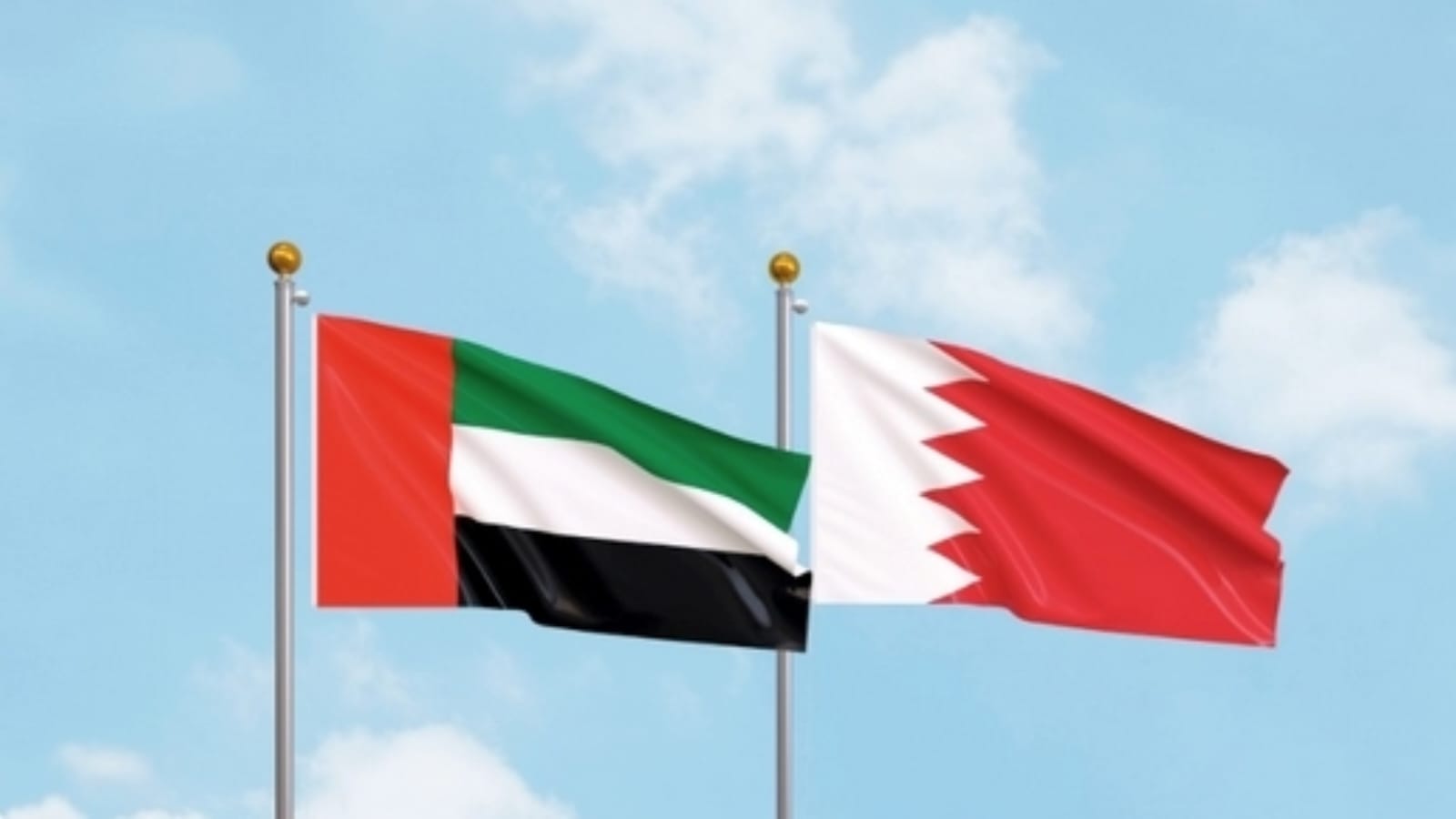
UAE and Bahrain Sign Dh20 Billion Currency Swap Deal
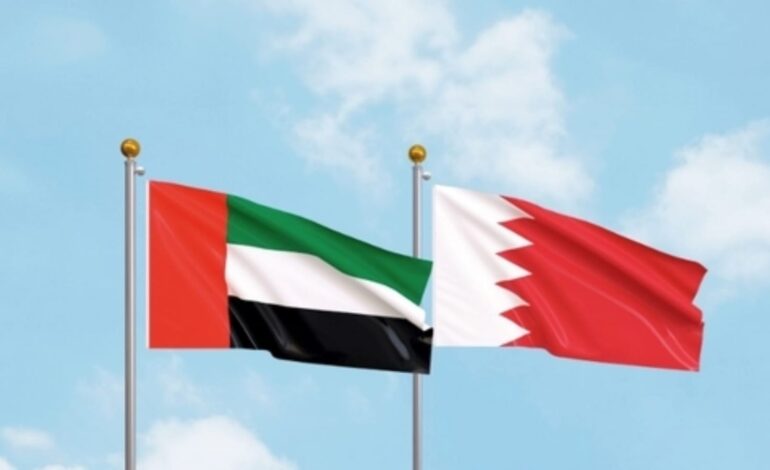

The recent signing of a Dh20 billion ($5.4 billion) currency swap agreement between the United Arab Emirates and Bahrain marks a significant milestone in regional financial cooperation. Announced jointly by the Central Bank of the UAE and the Central Bank of Bahrain, this agreement reflects a growing commitment among Gulf nations to enhance economic resilience, improve liquidity, and reduce dependence on global reserve currencies like the US dollar.
At a time of heightened global economic uncertainty, the agreement signals a proactive approach toward strengthening regional financial systems and facilitating smoother trade and investment flows. The deal not only benefits the two participating countries but also contributes to broader efforts aimed at reshaping international financial dynamics.
What Is a Currency Swap Agreement?
A currency swap agreement is a financial arrangement between two central banks that allows them to exchange their national currencies up to a predetermined limit. In this case, the UAE dirham (AED) and the Bahraini dinar (BHD) will be exchanged to support liquidity and trade.
Key Features of the Agreement:
- Total Value: Dh20 billion (approximately BHD 2 billion)
- Duration: 5 years
- Currencies Involved: UAE dirham (AED) and Bahraini dinar (BHD)
- Primary Objective: Enhance liquidity and facilitate bilateral trade
This mechanism allows banks and businesses in both countries to conduct transactions directly in local currencies, eliminating the need to rely on intermediary currencies such as the US dollar. As a result, transaction costs are reduced, and financial efficiency is improved.
Boosting Trade and Investment Between UAE and Bahrain
One of the most significant benefits of this agreement is its potential to strengthen bilateral trade and investment flows. The UAE and Bahrain share long-standing economic ties, and this deal is expected to deepen those connections further.
Key Trade Benefits:
- Reduced Currency Conversion Costs: Businesses can avoid multiple currency exchanges, saving time and money
- Faster Transactions: Direct currency use streamlines cross-border payments
- Increased Trade Volume: Simplified processes encourage more trade activity
By promoting the use of local currencies, the agreement makes cross-border trade more accessible, particularly for small and medium-sized enterprises (SMEs), which often face higher transaction costs in international trade.
Enhancing Financial Stability and Liquidity
Currency swap agreements are powerful tools for maintaining financial stability, especially during periods of economic uncertainty or market volatility.
How the Swap Strengthens Financial Systems:
- Liquidity Support: Ensures that both countries have access to each other’s currencies when needed
- Exchange Rate Protection: Reduces exposure to fluctuations in global currency markets
- Banking Sector Stability: Provides a safety net for financial institutions
For example, during times of crisis, central banks can use swap lines to inject liquidity into the banking system, preventing disruptions in credit flow and maintaining economic stability.
This agreement reflects a shared commitment by both nations to build resilient financial systems capable of withstanding global shocks.
A Step Toward Gulf Economic Integration
The UAE–Bahrain currency swap deal is part of a broader trend among Gulf countries to deepen economic and monetary cooperation.
- Strengthening financial systems across the Gulf
- Promoting intra-regional trade
- Reducing dependence on external currencies
- Building frameworks for potential monetary cooperation
The Gulf Cooperation Council has long aimed to enhance economic integration among its member states. Agreements like this currency swap represent practical steps toward achieving that vision.
Reducing Dependence on the US Dollar
One of the most notable aspects of the agreement is its role in reducing reliance on the US dollar, which has traditionally dominated global trade and finance.
Why Reducing Dollar Dependence Matters:
- Lower Exposure to US Monetary Policy: Countries gain more control over their economic decisions
- Reduced Transaction Costs: Eliminates the need for dollar conversion
- Greater Financial Independence: Strengthens domestic and regional currencies
In recent years, there has been a global shift toward multi-currency trade frameworks, with countries seeking alternatives to dollar-based transactions. The UAE has already signed similar agreements with nations such as Chinaand Turkey, highlighting its strategic push toward diversified financial partnerships.
Key Leaders Behind the Agreement
The success of this agreement is largely attributed to the leadership of key financial policymakers.
- Khaled Mohamed Balama
- Khalid Humaidan
Both leaders emphasised that the agreement reflects the strong bilateral relationship between the UAE and Bahrain. They also highlighted its potential to support long-term economic growth and financial stability.
Their collaboration demonstrates how coordinated policymaking can play a crucial role in addressing complex economic challenges.
Global Implications of the Currency Swap Agreement
Although the agreement is regional in nature, its implications extend beyond the Gulf.
1. Strengthening Regional Economies
Closer financial cooperation enhances the resilience of Gulf economies, making them better equipped to handle global economic shocks.
2. Encouraging International Investment
Stable and integrated financial systems attract foreign investors by reducing risks and improving transparency.
3. Supporting Global Economic Stability
As more countries adopt similar agreements, the global financial system may become more diversified and less dependent on a single currency.
The Role of Currency Swaps in Modern Finance
Currency swaps have become increasingly important in the global financial system, particularly in times of crisis.
Historical Context:
- Widely used during the 2008 global financial crisis
- Helped stabilise markets by ensuring liquidity
- Facilitated international cooperation among central banks
Today, they continue to serve as essential tools for managing economic risks and promoting financial stability.
Challenges and Limitations
Despite its many benefits, the currency swap agreement also faces certain challenges.
Potential Risks:
- Limited Scope: The agreement applies only to two countries
- Exchange Rate Risks: Although reduced, they are not completely eliminated
- Dependence on Implementation: Effectiveness depends on how actively businesses use the mechanism
Additionally, achieving broader regional integration will require similar agreements among multiple countries, along with coordinated policy efforts.
Future Outlook
The UAE–Bahrain currency swap agreement is likely to pave the way for more such partnerships in the region.
Expected Developments:
- Expansion of swap agreements to other Gulf nations
- Increased use of local currencies in trade
- Greater financial integration within the GCC
As global economic conditions remain uncertain, countries are expected to continue exploring innovative financial tools to enhance stability and resilience.
The Dh20 billion currency swap agreement between the United Arab Emirates and Bahrain represents a strategic move toward strengthening financial cooperation, enhancing liquidity, and promoting economic resilience. By enabling direct transactions in local currencies, the agreement reduces reliance on the US dollar and supports more efficient trade and investment flows.
In a rapidly changing global economic landscape, such initiatives highlight the importance of regional collaboration and financial innovation. While challenges remain, the agreement sets a strong foundation for deeper economic integration and long-term stability.
Ultimately, the UAE–Bahrain currency swap deal is not just a bilateral arrangement—it is a reflection of a broader shift toward a more diversified and resilient global financial system.