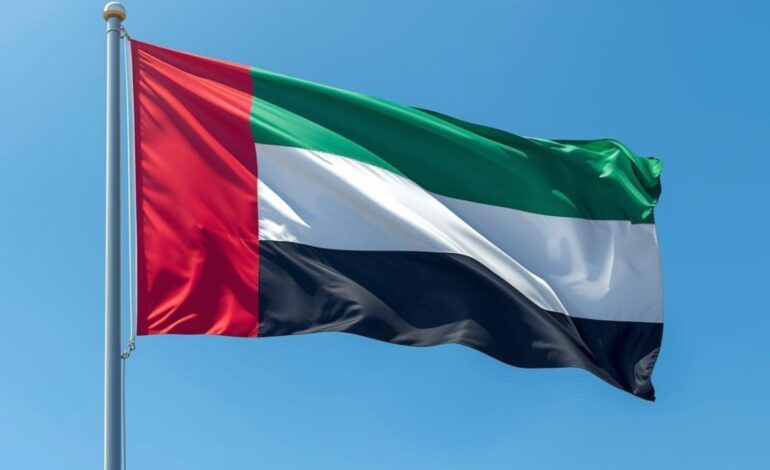

The United Arab Emirates has reaffirmed its legitimate right to self-defence under international law after facing more than 1,000 missile and drone attacks amid the escalating regional conflict involving Iran, Israel and the United States.
In an official statement released by the Ministry of Foreign Affairs, the UAE emphasised that it has not altered its defensive posture despite repeated attacks and continues to prioritise diplomacy and de-escalation.
However, authorities made it clear that the country retains the right to protect its sovereignty, citizens and national interests if necessary.
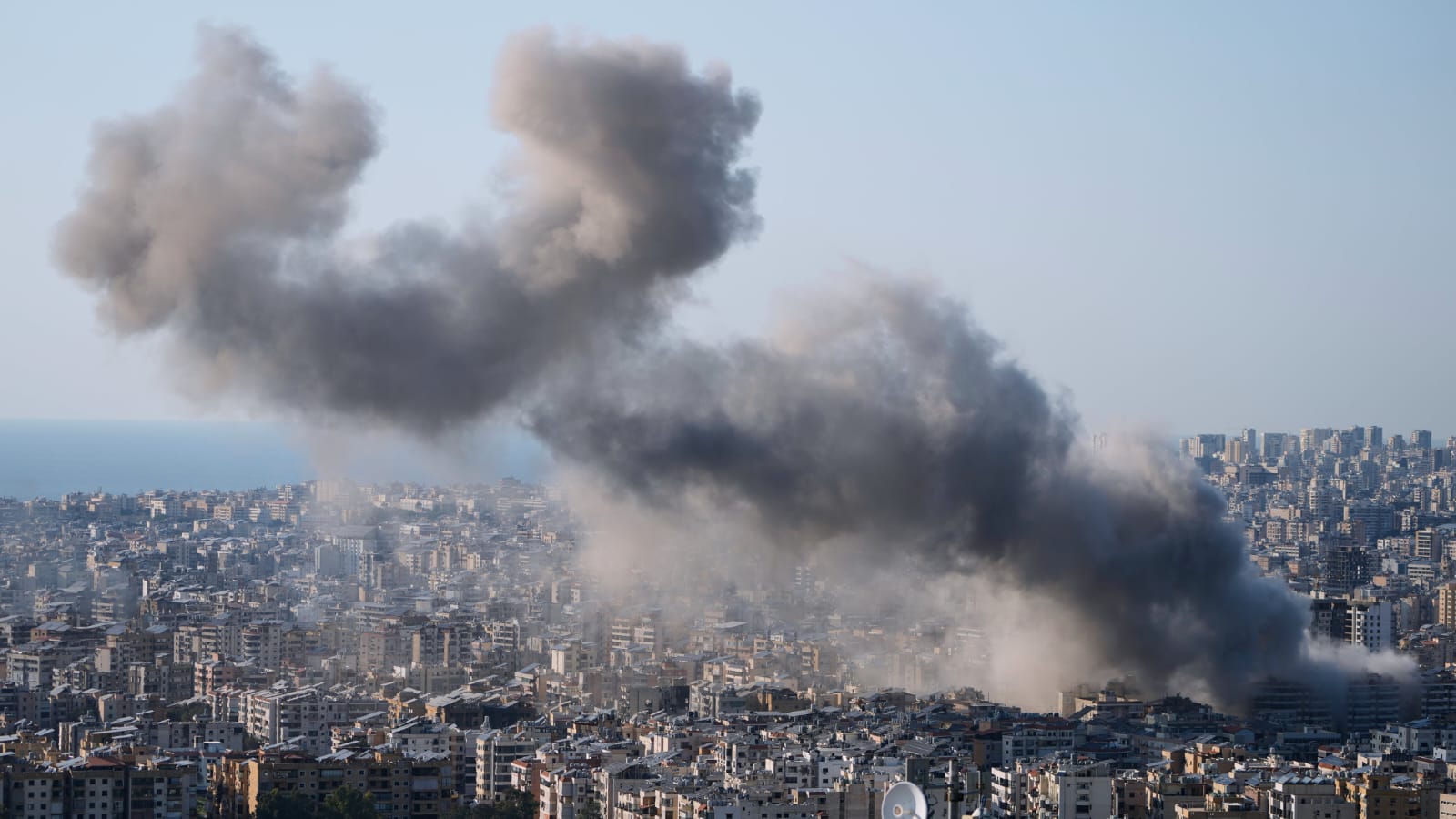
The announcement comes at a time when tensions across the Middle East have intensified significantly, with missile and drone attacks affecting several Gulf countries and raising concerns about regional security.
UAE Targeted by More Than 1,000 Attacks
According to official figures released during the crisis, the UAE has faced over 1,000 attacks, making it one of the most heavily targeted countries during the ongoing regional conflict.
Authorities said the number of attacks directed at the UAE exceeds the total faced by all other targeted countries combined during the current crisis.
Despite the scale of these threats, the UAE Armed Forces successfully intercepted the vast majority of incoming projectiles, preventing major damage to infrastructure and civilian areas.
The attacks included a combination of:
-
Ballistic missiles
-
Cruise missiles
-
Armed drones
Officials praised the professionalism and readiness of the country’s defence forces, highlighting the effectiveness of the UAE’s advanced air defence systems.
Military officials also confirmed that national security agencies remain fully prepared to respond to any threats against the country.
UAE Emphasises It Is Not a Party to the War
In its statement, the UAE stressed that it is not a participant in the ongoing war and has not allowed its territory, airspace or territorial waters to be used to launch attacks against Iran or any other country.
Officials reiterated that the UAE’s foreign policy continues to be guided by principles of:
-
Good neighbourliness
-
Diplomatic engagement
-
De-escalation of regional tensions
The government emphasised that these principles remain central to the UAE’s approach during the current crisis.
Authorities also noted that the country has consistently called for dialogue and peaceful solutions to regional disputes.
Right to Self-Defence Under International Law
While maintaining a policy of restraint, the UAE reaffirmed its legitimate right to self-defence as recognised under international law and the United Nations Charter.
Under Article 51 of the UN Charter, countries have the right to defend themselves when they face armed attacks.
Officials stressed that the UAE will take all necessary measures to safeguard national security and protect its population if further threats arise.
The government highlighted three key priorities:
-
Protecting national sovereignty
-
Maintaining security and stability
-
Ensuring the safety of citizens and residents
The statement underscored that defending the country’s territory and population remains a fundamental responsibility of the state.
Missile and Drone Attacks Across the Gulf Region
The broader regional conflict has seen widespread missile and drone attacks across the Gulf, creating a tense security environment.
According to figures released by authorities during the crisis, the UAE detected and intercepted a large number of incoming threats.
Reported figures include:
-
Ballistic missiles detected: 186
-
Ballistic missiles intercepted: 172
-
Drones detected: 812
-
Drones intercepted: 755
-
Cruise missiles intercepted: 8
Officials said only a small number of projectiles landed within UAE territory, with most intercepted before reaching populated areas.
These attacks demonstrate the increasing use of drones and missile technology in modern regional conflicts, posing new challenges for defence systems.
Advanced Air Defence Systems Protect the UAE
The UAE has invested heavily in modern defence technologies in recent years, including advanced missile defence systems designed to detect and intercept aerial threats.
These systems work through a network of:
-
Early warning radar systems
-
Missile interception platforms
-
Integrated command and control centres
Military analysts say the country’s strong defence infrastructure played a crucial role in neutralising incoming threats during the crisis.
Officials also credited strong coordination between military units and national security agencies for ensuring a rapid response to missile and drone launches.
UAE Continues Diplomatic Efforts
Despite the attacks, the UAE has emphasised that diplomacy remains its primary strategy for addressing regional tensions.
Officials have repeatedly called for dialogue and international cooperation to prevent further escalation in the Middle East.
Reem Al Hashimy, the UAE’s Minister of State for International Cooperation, stated that the country has been actively involved in diplomatic initiatives aimed at stabilising the region.
She said Gulf countries have been working closely together to reduce tensions and avoid a wider regional conflict.
However, she also noted that the attacks occurred “without regard for the UAE’s clear and repeatedly affirmed position” of neutrality in the conflict.
Rising Security Concerns Across the Middle East
The ongoing conflict has created a heightened security environment across the Middle East.
Several countries in the region have activated emergency response systems and increased military readiness in response to the growing threat.
Governments across the Gulf have strengthened protection around critical infrastructure, including:
-
Airports
-
Energy facilities
-
Oil and gas installations
-
Ports and shipping routes
-
Government buildings
These precautionary measures aim to minimise risks and ensure the protection of essential services.
Impact on Aviation, Trade and Economy
The regional crisis has also had broader economic and logistical implications.
Airlines operating in the Middle East have adjusted flight paths or cancelled services to avoid areas of conflict.
Shipping companies are also monitoring the situation closely, particularly in key maritime corridors such as the Strait of Hormuz, one of the world’s most important energy transport routes.
The heightened security situation has created uncertainty for global markets and raised concerns about potential disruptions to trade and energy supply.
However, UAE authorities have emphasised that the country continues to function normally and that public safety remains the government’s top priority.
Ensuring Public Safety and Stability
Authorities in the UAE have taken several precautionary steps to ensure the safety of residents during the crisis.
Government agencies have worked to maintain stability while minimising disruption to everyday life.
Officials have also encouraged residents to rely on official government sources for information and avoid spreading rumours or misinformation.
Public communication efforts have focused on providing timely updates and reassurance that security agencies remain fully prepared to address potential threats.
Despite the challenges posed by the attacks, the UAE has maintained a high level of public safety and security.
International Reactions to the Crisis
The escalating tensions in the Middle East have drawn significant international attention.
Global leaders and international organisations have urged restraint and called for renewed diplomatic efforts to prevent the situation from worsening.
Analysts warn that further escalation could have serious consequences for:
-
Global energy markets
-
International trade routes
-
Regional political stability
-
Diplomatic relations between major powers
Many governments are now closely monitoring developments in the region while encouraging negotiations to reduce tensions.
The Road Ahead
Experts say the coming days will be crucial in determining how the regional crisis evolves.
Several possible scenarios are currently being discussed by analysts and policymakers.
These include:
-
Further military escalation in the region
-
Expanded involvement from additional countries
-
Intensified diplomatic negotiations
-
International mediation efforts
While the UAE continues to advocate for peace and stability, officials have made it clear that the country remains fully prepared to defend itself if necessary.
The United Arab Emirates’ reaffirmation of its right to self-defence under international law highlights the seriousness of the security challenges facing the region during the current crisis.
Despite facing more than 1,000 missile and drone attacks, the UAE has maintained a balanced approach focused on diplomacy, restraint and strong defensive preparedness.
The country continues to advocate for peaceful solutions and regional stability while ensuring that it has the capability to respond effectively to any threats.
As tensions across the Middle East continue to evolve, the UAE’s approach combining diplomatic engagement with robust defence readiness will play an important role in shaping the region’s security landscape.