UAE Flight Updates Resume 2026: Services Restart

Air travel across the United Arab Emirates is gradually returning to normal after temporary airspace closures disrupted thousands of flights. Major UAE carriers including Emirates, Etihad Airways, Flydubai and Air Arabia have resumed partial flight operations following days of cancellations and schedule adjustments.
However, despite the phased restart, many flights remain cancelled or rescheduled as aviation authorities continue to assess regional airspace safety amid heightened geopolitical tensions.
This detailed guide explains why flights were disrupted, which routes are operating again, what passengers should do, and how UAE aviation hubs are managing the recovery.
Why UAE Flights Were Disrupted

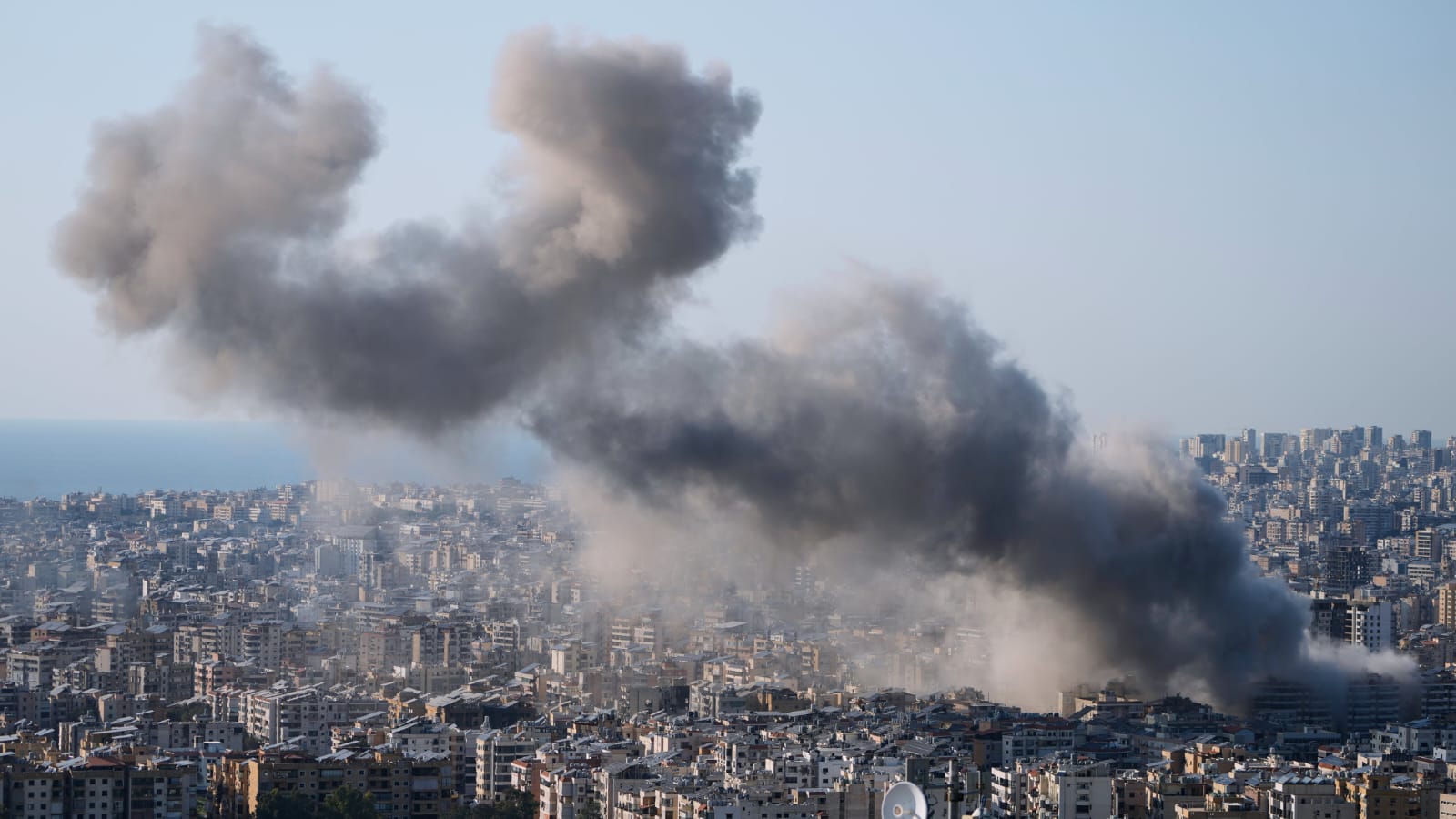
The disruption began after temporary airspace closures were implemented as a precautionary safety measure due to escalating regional military tensions. UAE aviation authorities moved quickly to suspend or reroute flights to ensure the safety of passengers, crew and aircraft.
The decision impacted:
-
International outbound and inbound routes
-
Transit passengers connecting through UAE hubs
-
Regional short-haul services
-
Cargo operations
Thousands of travellers experienced last-minute cancellations, extended delays and rerouted journeys.
Authorities emphasised that safety assessments of surrounding airspace corridors were necessary before allowing operations to resume.
Partial Flight Services Resume Across Major Carriers
After coordination between airlines, aviation regulators and security authorities, UAE carriers have gradually restarted selected routes. The resumption remains phased, meaning schedules are expanding incrementally rather than returning to full capacity immediately.
Emirates Resumes Key Global Routes

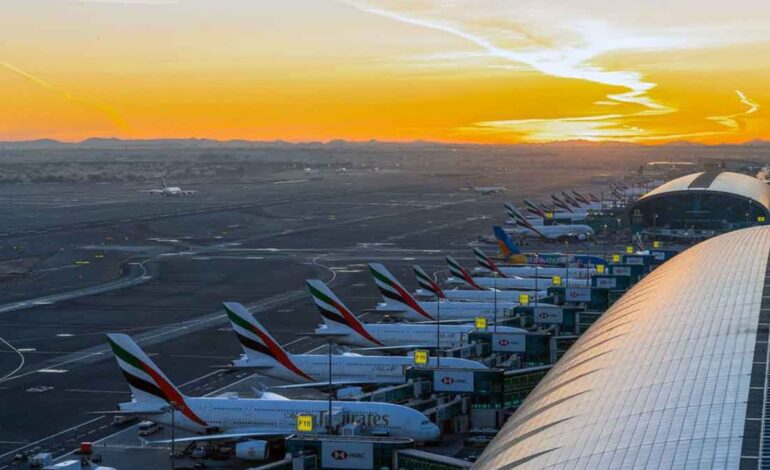
Emirates has resumed limited services through Dubai International Airport (DXB), prioritising major international destinations with stable flight corridors.
Key developments include:
-
Restoration of select long-haul routes
-
Gradual reactivation of regional services
-
Continuous monitoring of geopolitical risk
Emirates is updating passengers directly via SMS, email and its mobile app regarding schedule changes.
Etihad Airways Gradually Restarts Services
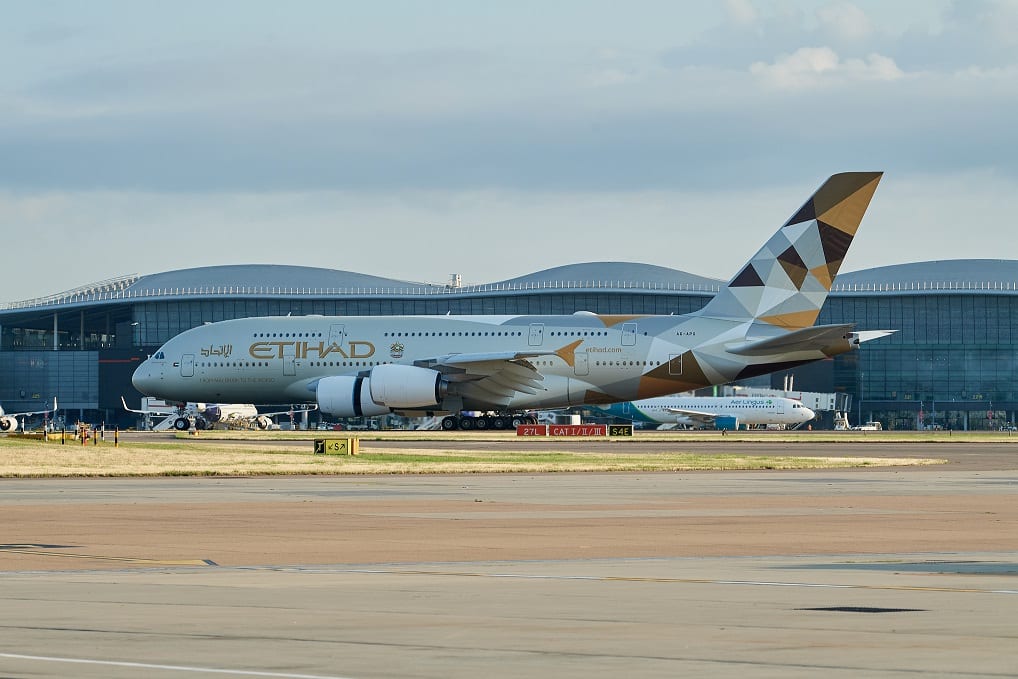
The airline confirmed that:
-
Services are being restored in phases
-
Flight availability depends on confirmed safe airspace corridors
-
Affected passengers are being rebooked or refunded
Etihad continues to advise customers to check flight status before departing for the airport.
Flydubai and Air Arabia Resume Limited Operations
Flydubai has resumed several scheduled services, particularly short-haul and regional routes, while maintaining flexibility for adjustments.
Air Arabia, operating from Sharjah International Airport, is running a limited flight schedule with revised timings.
Both carriers have:
-
Offered rebooking flexibility
-
Provided travel credit options
-
Updated online flight status tools
Many Flights Still Cancelled
Despite progress, a substantial number of flights remain cancelled or rescheduled due to:
-
Ongoing airspace restrictions
-
Aircraft repositioning delays
-
Crew scheduling adjustments
-
Continued regional uncertainty
Passengers may still encounter:
-
Transit disruptions
-
Longer layovers
-
Limited seat availability
-
Backlogs in rebooking
Airlines are working to reduce these disruptions as airspace conditions stabilise.
Airport Operations Update
Dubai International Airport (DXB)
Dubai International Airport continues operating with phased scheduling. Priority has been given to long-haul routes and essential services.
Zayed International Airport (AUH)
Zayed International Airport is managing resumed Etihad services and select international carriers.
Airports are focusing on:
-
Passenger flow management
-
Enhanced security monitoring
-
Close coordination with airlines
-
Real-time operational updates
Travellers are advised to arrive earlier than usual to allow time for check-in and security screening.
What Passengers Should Do
If you have upcoming travel plans from the UAE, follow these steps:
-
Check your flight status directly on your airline’s website
-
Confirm departure terminal and gate details
-
Arrive at least three hours before departure
-
Monitor official airline notifications
-
Keep travel documents accessible
Passengers affected by cancellations can typically choose:
-
Rebooking on the next available flight
-
Travel credit
-
Refund options
Flexibility policies may vary by airline and ticket type.
Impact on International Travel
The UAE is one of the world’s busiest aviation hubs, connecting Asia, Europe, Africa and the Americas. Disruptions therefore had global ripple effects.
Countries heavily connected to UAE hubs including India, the UK, the United States and multiple European destinations experienced:
-
Transit delays
-
Route adjustments
-
Increased demand for alternative flights
-
Temporary congestion at connecting airports
The partial resumption is expected to gradually ease international travel bottlenecks.
Cargo and Economic Implications
The aviation sector plays a critical role in the UAE’s economy, supporting:
-
Tourism
-
Business travel
-
Trade logistics
-
Airport retail and hospitality
Temporary suspensions led to:
-
Reduced passenger volumes
-
Cargo shipment delays
-
Airport retail revenue dips
-
Travel agency disruptions
As flight operations resume, economic activity tied to aviation is expected to stabilise progressively.
Safety Remains the Top Priority
UAE aviation authorities have reiterated that flights will only resume when airspace safety is assured.
Officials continue to:
-
Assess regional airspace conditions
-
Coordinate with international aviation regulators
-
Monitor intelligence reports
-
Adjust flight corridors as needed
The phased reopening demonstrates a careful balance between restoring connectivity and maintaining strict safety standards.
Customer Service and Airline Support
Major UAE carriers have strengthened customer service efforts, including:
-
Expanded call centre capacity
-
Online self-service rebooking
-
Mobile app alerts
-
Airport assistance counters
Travel agencies are also playing a key role in helping passengers secure alternative routes.
While some delays in customer service responses have occurred due to high demand, airlines report improving response times as operations stabilise.
What Happens Next?
Several factors will determine how quickly UAE aviation returns to full normalcy:
-
Continued airspace stability
-
Regional security developments
-
Airline operational capacity
-
Passenger demand trends
-
International regulatory coordination
Industry observers expect further schedule expansions over the coming days if security conditions remain stable.
However, airlines caution that flexibility remains necessary, and adjustments could occur if regional dynamics shift again.
A Resilient Aviation Sector
The UAE aviation industry is globally recognised for operational efficiency and rapid crisis response. Past disruptions including weather events and global health emergencies have demonstrated the sector’s resilience.
The current phased recovery reflects:
-
Strong airline-government coordination
-
Advanced aviation infrastructure
-
Effective crisis management protocols
-
Commitment to passenger safety
The ability to resume operations quickly, even partially, underscores the robustness of the UAE’s aviation framework.
The partial resumption of flight services by Emirates, Etihad Airways, Flydubai and Air Arabia marks a crucial step toward restoring normal air travel in the UAE. While many flights remain cancelled or adjusted, the phased reopening signals stabilisation and careful recovery.
Passengers should stay informed, confirm flight details before travelling and remain flexible as schedules continue to evolve.
The UAE’s aviation sector remains focused on safety, efficiency and passenger confidence reinforcing its position as one of the world’s most dynamic and resilient air travel hubs.