


The United Arab Emirates has successfully intercepted and destroyed a fresh wave of Iranian missiles and drones targeting the country, according to an official statement from the UAE Ministry of Defence. The development comes amid rising geopolitical tensions in the Middle East and highlights the UAE’s robust air defence capabilities and rapid response framework.
Authorities confirmed that advanced air defence systems operated with high precision, preventing major damage and ensuring the safety of citizens, residents and visitors. While debris from intercepted projectiles fell in limited areas of Abu Dhabi and Dubai, officials reported no injuries or fatalities.
The incident has placed the UAE on heightened alert, reinforcing the country’s commitment to safeguarding its airspace and national security during an increasingly volatile regional environment.
Ministry of Defence Confirms Successful Interception
In its latest official briefing, the UAE Ministry of Defence stated that all incoming threats were neutralised mid-air by the country’s integrated air defence network. The operation was described as controlled, precise and highly effective.
Key points highlighted by officials include:
-
All missiles and drones were intercepted before reaching targets
-
Air defence systems demonstrated high operational efficiency
-
Debris fell in limited zones of Abu Dhabi and Dubai
-
No casualties or injuries were reported
-
Emergency response teams were immediately deployed
The ministry emphasised that the armed forces remain fully vigilant and prepared to respond to any emerging threats, signalling a strong defensive posture.
Officials also reassured the public that the situation is under control and that national security institutions are working around the clock to monitor developments.
Advanced UAE Air Defence Systems Prove Effective
The successful interception underscores the UAE’s sustained investment in cutting-edge missile defence and early warning technologies. Modern air defence networks rely on a layered architecture designed to detect, track and neutralise threats within seconds.
Security experts explain that such systems typically operate through several coordinated stages:
Long-Range Detection
Advanced radar systems scan vast airspace in real time, identifying potential threats at significant distances. Early detection is critical because it provides valuable reaction time for defence operators.
Multi-Target Tracking
Once a threat is identified, sophisticated tracking software monitors the trajectory, speed and classification of incoming objects. Modern systems can simultaneously track multiple missiles and drones a key capability in complex attack scenarios.
Rapid Interception
Interceptor missiles or directed defence mechanisms are then deployed to neutralise threats mid-air. The goal is to destroy hostile projectiles before they can reach populated or strategic areas.
Damage Minimisation
A crucial objective of layered defence is to reduce collateral damage. By intercepting threats at altitude, defence systems limit the risk to people and infrastructure on the ground.
Analysts say the latest operation indicates the UAE’s integrated defence network is functioning at a very high level of readiness and coordination.
Debris Reported in Abu Dhabi and Dubai
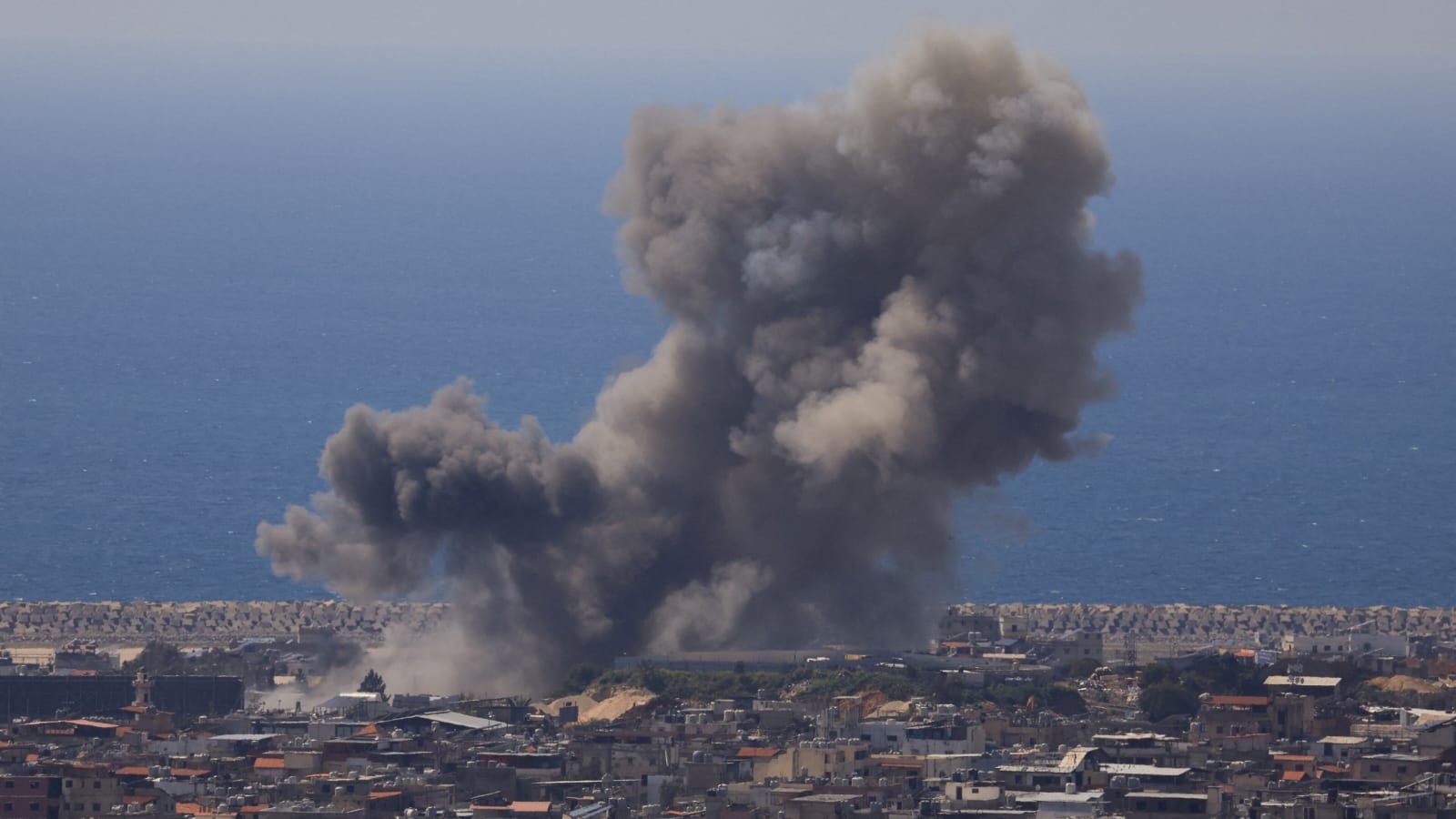
Although all incoming threats were destroyed before impact, the Ministry of Defence confirmed that fragments from intercepted missiles and drones fell in several areas across Abu Dhabi and Dubai.
Authorities clarified the situation with the following updates:
-
Falling debris caused only limited material impact
-
Emergency and civil defence teams responded rapidly
-
Safety protocols were immediately activated
-
No injuries were recorded
Residents in some neighbourhoods reported hearing loud aerial explosions consistent with interception activity. However, officials stressed that normal life resumed quickly and there was no widespread disruption.
Emergency services conducted precautionary sweeps in affected areas to ensure public safety and clear any remaining fragments.
UAE Maintains Full Security Readiness
In strong language, the Ministry of Defence reaffirmed that the UAE Armed Forces remain in a state of full operational readiness.
Officials underscored several key assurances:
-
All necessary measures are in place to confront threats
-
National security and stability remain top priorities
-
Continuous monitoring of regional developments is underway
-
Rapid response protocols remain fully active
The statement reflects both confidence in current defensive capabilities and caution amid the evolving regional security landscape.
Security observers note that Gulf states have significantly strengthened their air and missile defence systems in recent years due to the growing prevalence of drone and ballistic missile threats in the region.
Protection of Citizens, Residents and Visitors
The UAE government strongly reiterated that safeguarding people remains the central objective of all defensive operations.
Authorities emphasised that the country’s security doctrine prioritises:
-
Rapid neutralisation of airborne threats
-
Close coordination between military and civil defence
-
Transparent public safety communication
-
Protection of critical infrastructure
Officials stressed that the safety of citizens, expatriates and tourists is non-negotiable and remains at the heart of national security planning.
The UAE’s ability to maintain calm public conditions following such incidents is often cited by analysts as evidence of strong crisis management frameworks.
Firm Position on Sovereignty and International Law
In its official statement, the Ministry of Defence described the attempted targeting of the UAE as a clear violation of national sovereignty and international law.
Authorities affirmed that the UAE reserves the full right to take all necessary measures to defend:
-
Its territory
-
Its population
-
Its national security
-
Its economic and strategic stability
This position aligns with internationally recognised principles allowing states to exercise self-defence against external threats.
The strong wording also signals the UAE’s intent to deter future attacks while maintaining a rules-based framing of its response.
Public Advisory: Avoid Rumours and Follow Official Sources
Amid the heightened security environment, the Ministry issued an important advisory urging the public to rely solely on official information channels.
Residents and citizens were advised to:
-
Follow updates from official UAE authorities
-
Avoid sharing unverified information
-
Refrain from spreading rumours on social media
-
Follow any safety guidance issued by authorities
Officials warned that misinformation during sensitive security situations can create unnecessary panic and confusion.
Communication experts note that clear, timely public messaging is a critical component of modern national security responses, particularly during fast-moving aerial defence incidents.
Regional Context: Rising Middle East Tensions
The interception comes during a period of elevated geopolitical tension across the Middle East, particularly involving Iran, Israel and the United States.
Recent regional developments have included:
-
Increased military exchanges
-
Airspace security alerts
-
Heightened defence readiness across Gulf states
-
Expanded monitoring of strategic infrastructure
Security analysts say the UAE’s rapid response reflects a broader regional shift toward proactive air defence preparedness.
The growing use of drones and precision missiles in modern conflicts has significantly changed defence planning across the Gulf, prompting heavy investment in integrated air and missile defence networks.
Strategic Implications for UAE Security
From a strategic standpoint, the successful interception sends several important signals.
Demonstration of Operational Maturity
The incident highlights the sophistication and readiness of the UAE’s layered air defence architecture. Successfully neutralising multiple airborne threats requires seamless coordination between radar, command centres and interceptor units.
Reassurance for Residents and Investors
Maintaining public safety with no casualties reinforces confidence among residents, tourists and international investors. The UAE’s reputation as a stable regional hub depends heavily on its ability to manage security risks effectively.
Continued Need for Defence Modernisation
Analysts say the evolving threat landscape particularly the proliferation of drones means Gulf countries must continue investing in next-generation defence technologies, including:
-
AI-assisted threat detection
-
Counter-drone systems
-
Hypersonic defence capabilities
-
Integrated regional early warning networks
The latest incident may further accelerate such investments.
Impact on Daily Life in the UAE
Despite the seriousness of the attempted attack, authorities have emphasised that daily life across the UAE continues normally.
Officials confirmed:
-
Airports and airspace operations remain functional
-
Public transport systems are running normally
-
Businesses and financial markets remain open
-
Public services continue without interruption
-
Security monitoring has been enhanced
The government’s approach aims to maintain a sense of normalcy while quietly reinforcing protective measures behind the scenes.
Residents are unlikely to notice visible security changes, but monitoring and readiness levels remain elevated.
Global Markets and Economic Watch
Geopolitical incidents in the Gulf are closely monitored by global financial markets, particularly because of the region’s central role in energy supplies and aviation routes.
Historically, similar developments can influence:
-
Oil price volatility
-
Regional airline operations
-
Maritime insurance premiums
-
Investor risk sentiment
So far, there has been no indication of major economic disruption within the UAE. However, analysts say markets will continue watching for signs of escalation.
The UAE’s quick and effective defensive response may help limit broader market anxiety.
What to Watch in the Coming Days
The trajectory of regional tensions will become clearer in the days ahead. Key developments to monitor include:
-
Whether additional aerial threats emerge
-
Diplomatic responses from regional and global powers
-
Any adjustments to military posture across the Gulf
-
Updates to airspace or aviation advisories
-
Further official security briefings
UAE authorities have made it clear that defensive systems remain fully active and ready for any contingency.
The United Arab Emirates’ successful interception of Iranian missiles and drones underscores the country’s high level of defensive preparedness during a period of heightened regional tension.
With no injuries reported and only limited material impact, officials say the operation demonstrates the effectiveness and maturity of the nation’s integrated air defence network.
As geopolitical dynamics in the Middle East continue to evolve, the UAE has reaffirmed its unwavering commitment to protecting its territory, population and strategic stability.
For residents and observers alike, the message from Abu Dhabi is clear: the UAE remains vigilant, technologically prepared and fully capable of defending its skies while maintaining normal life across the country.





2 Comments
[…] and drone attacks across the Gulf region have raised alarms among governments and residents. Defence systems in […]
[…] and drone attacks have been reported across multiple countries as tensions between Iran and Israel […]
Comments are closed.