UAE Scientist Dr Tuka Alhanai Joins Influential UN AI Panel
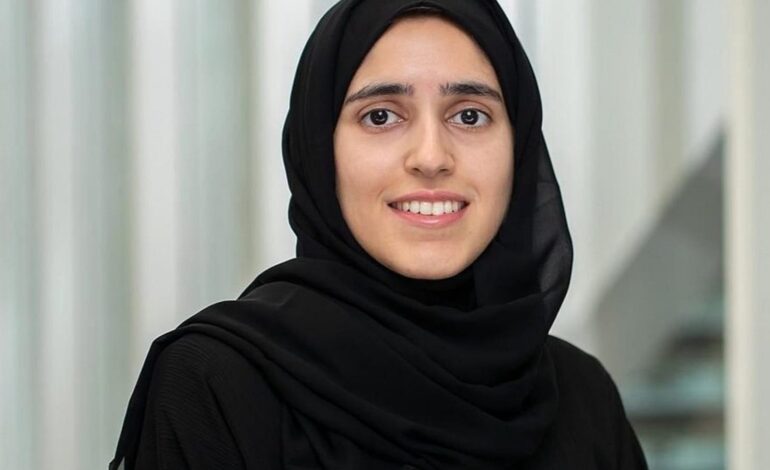

The United Arab Emirates has achieved another major milestone in global technology leadership after Dr Tuka Alhanai was appointed to the United Nations’ Independent International Scientific Panel on Artificial Intelligence. The high-profile selection underscores the UAE’s growing influence in shaping the future of global AI governance, ethics, and innovation.
Her appointment by the UN General Assembly signals strong international confidence in Emirati expertise in advanced technologies. At the same time, it reinforces the UAE’s long-term ambition to position itself as a leading global hub for responsible artificial intelligence development.
Across the Middle East and beyond, policymakers, researchers, and technology leaders are closely watching the move. Indeed, many experts see the appointment as both a personal achievement for Dr Alhanai and a strategic win for the UAE’s expanding digital economy.
United Nations Launches New Global AI Scientific Panel
The United Nations recently established the Independent International Scientific Panel on Artificial Intelligence to provide trusted, science-based guidance on the rapidly evolving AI landscape. As artificial intelligence systems become more powerful and widely deployed, global institutions are increasingly seeking expert input to help shape balanced and forward-looking policies.
The panel’s mission is clear. It aims to deliver independent scientific insights that will support governments in developing safe, inclusive, and evidence-based AI frameworks. Moreover, the initiative reflects growing international urgency around managing both the opportunities and risks associated with advanced AI technologies.
Importantly, Dr Alhanai’s inclusion places the UAE directly at the table where future global AI governance structures will be debated and influenced. Consequently, the country gains a stronger voice in one of the most critical technology discussions of the decade.
Who Is Dr Tuka Alhanai
Dr Tuka Alhanai is widely recognised as one of the UAE’s most prominent artificial intelligence researchers. She currently serves as Chief Executive Officer of the AI and Digital Science Research Center at the Technology Innovation Institute (TII), where she leads cutting-edge research in advanced computing and intelligent systems.
Over the years, her academic and professional work has focused on building AI systems that are not only technically powerful but also socially responsible.
Her key research areas include:
-
Human-centred artificial intelligence
-
Natural language processing (NLP)
-
AI ethics and responsible systems
-
Machine learning applications
-
Emotional and social computing
Because of this multidisciplinary focus, Dr Alhanai has developed a reputation for bridging the gap between technical innovation and societal impact.
Furthermore, her leadership at the Technology Innovation Institute has contributed significantly to the UAE’s growing research credibility on the global stage.
Why This Appointment Is Strategically Important
While the appointment is a major personal honour, its significance extends far beyond an individual achievement. In fact, it represents a strategic milestone for the UAE’s global technology positioning.
1. Strengthening the UAE’s Voice in Global AI Governance
First and foremost, Dr Alhanai’s role ensures that the UAE — and the broader Middle East — will have representation in critical discussions shaping international AI standards. As global rules around artificial intelligence continue to evolve, regional perspectives are becoming increasingly important.
Therefore, having Emirati expertise at the UN level helps ensure that emerging markets and diverse societies are considered in future AI frameworks.
2. Validation of UAE’s Research Investments
Secondly, the appointment validates the UAE’s sustained investment in building world-class research infrastructure. Over the past decade, the country has poured significant resources into AI education, innovation hubs, and advanced computing capabilities.
As a result, the UAE is now being recognised not just as a technology adopter but as a serious contributor to global AI research.
3. Reinforcing the UAE’s Responsible AI Brand
Equally important, the move strengthens the UAE’s reputation as a country that prioritises ethical, human-centred AI development. At a time when concerns about AI safety and misuse are growing worldwide, this positioning carries significant diplomatic and economic value.
Collectively, these factors support the nation’s broader ambition to become a leading player in the global digital economy.
What the UN AI Panel Will Do
The Independent International Scientific Panel on AI has a broad and potentially influential mandate. Its work will help shape how governments and international organisations approach artificial intelligence in the coming years.
Core responsibilities include:
-
Providing scientific assessments of AI developments
-
Advising on emerging risks and opportunities
-
Supporting evidence-based policymaking
-
Promoting international AI cooperation
-
Identifying long-term technological risks
Because AI innovation is advancing faster than regulation in many parts of the world, the panel’s guidance is expected to play a critical role in global policy alignment.
Moreover, its recommendations could influence future UN initiatives, national AI laws, and cross-border technology standards.
UAE’s Rapid Rise in Artificial Intelligence Leadership
Dr Alhanai’s appointment did not occur in isolation. Instead, it reflects a decade-long national strategy aimed at positioning the UAE as a global centre for artificial intelligence.
Key milestones in the UAE’s AI journey include:
-
Appointment of the world’s first Minister of State for AI
-
Launch of the UAE National Artificial Intelligence Strategy
-
Establishment of Mohamed bin Zayed University of Artificial Intelligence (MBZUAI)
-
Major investments in advanced computing infrastructure
-
Expansion of AI-driven government services
Because of these initiatives, the UAE has steadily elevated its profile within the global technology ecosystem.
Consequently, the latest UN recognition serves as further validation of the country’s long-term, coordinated AI strategy.
The Growing Importance of Human-Centred AI
One of the defining themes of Dr Alhanai’s work is her emphasis on human-centred artificial intelligence. Unlike purely automation-focused approaches, this philosophy prioritises technologies that enhance human wellbeing, safety, and trust.
Increasingly, global experts believe this perspective is essential as AI systems become embedded in healthcare, education, finance, and public services.
Key principles of responsible AI include:
-
Algorithmic transparency
-
Fairness and bias mitigation
-
Strong privacy protections
-
Meaningful human oversight
-
Ethical deployment frameworks
Because the UN panel is expected to focus heavily on AI governance and safety, Dr Alhanai’s expertise in these areas is particularly timely.
Global Competition in AI Governance Is Intensifying
The formation of the UN scientific panel comes at a moment of intense global competition in artificial intelligence. Major economies are racing not only to build more powerful AI systems but also to shape the rules governing their use.
Countries are competing across several fronts:
-
Advanced AI model development
-
Semiconductor and compute capacity
-
AI safety standards
-
Regulatory leadership
-
Talent attraction and retention
In this fragmented landscape, international coordination has become increasingly important. Without it, conflicting national regulations could slow innovation and create geopolitical tensions.
Therefore, the UN panel aims to provide a neutral, science-driven foundation for global cooperation — an area where trusted experts like Dr Alhanai will play a key role.
What This Means for the Middle East
For the broader Middle East, the appointment carries strong symbolic and strategic importance. It demonstrates that regional researchers are gaining recognition at the highest levels of global technology governance.
Moreover, it reinforces the Gulf’s emerging reputation as a serious player in advanced technology development.
Potential regional impacts include:
-
Greater visibility for Middle East AI research
-
Increased international partnerships
-
Stronger talent attraction
-
Expanded innovation investment
-
Inspiration for young scientists
As countries across the region accelerate digital transformation, representation in global AI discussions will become even more valuable.
Future Outlook: What Comes Next
Looking ahead, the UN AI panel is expected to produce influential reports and recommendations that could shape global policy debates for years.
For the UAE, Dr Alhanai’s participation opens several strategic opportunities.
The country could:
-
Contribute directly to global AI standards
-
Strengthen international research partnerships
-
Showcase Emirati innovation capabilities
-
Support responsible AI development worldwide
-
Expand technology diplomacy influence
Because artificial intelligence is becoming a cornerstone of economic competitiveness, these advantages could have long-term national impact.
Conclusion
The appointment of Dr Tuka Alhanai to the United Nations’ Independent International Scientific Panel on Artificial Intelligence marks a significant milestone for both the UAE and the global AI community.
On one hand, it reflects growing international recognition of Emirati scientific expertise. On the other, it underscores the UAE’s commitment to building responsible, human-centred artificial intelligence systems that benefit society.
As AI continues to reshape economies, governance, and everyday life, voices like Dr Alhanai’s will play an increasingly important role in ensuring innovation advances in a safe, ethical, and inclusive direction.
For the UAE, the message is unmistakable. The nation is not only adopting advanced technologies — it is actively helping shape the global conversation about their future.