UAE Study Sounds Alarm on Gulf Sea Turtle Threats
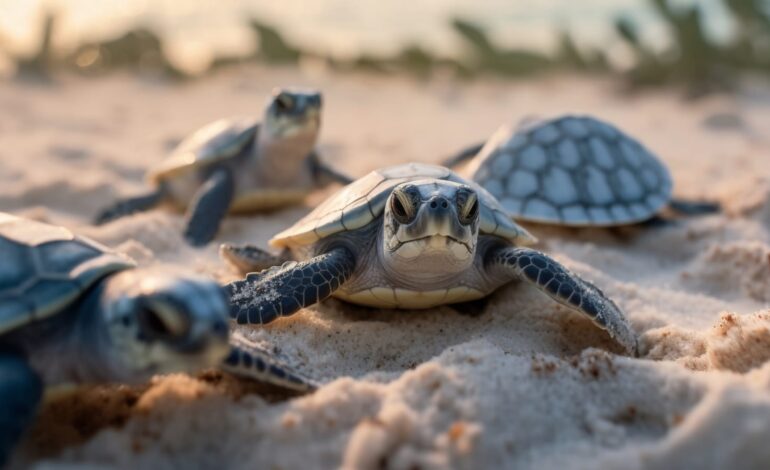

A new scientific study has found that sea turtles in the Gulf, especially in UAE waters, are under significant pressure from human activity, raising concerns about their long-term survival and habitat health. Researchers analysed marine areas across the Gulf and found that factors such as intense fishing, heavy shipping traffic and nearby oil and gas infrastructure are affecting critical foraging grounds for sea turtle species such as the green sea turtle and the critically endangered hawksbill sea turtle.
The findings highlight the greatest cumulative pressure on Gulf sea turtles within UAE waters, driven by overlapping economic activities. The study’s authors have called for stronger conservation measures, better planning and increased protection to ensure that these ancient marine species can persist amid rising anthropogenic pressures.
Why This Study Matters
Sea turtles have existed for more than 100 million years, but today they face numerous threats related to human development, coastal use and marine exploitation. In the Gulf, research indicates that only a small portion of sea turtle habitats fall within marine protected areas, and even these areas see ongoing human activity.
This study looked at a cumulative exposure index (CEI) that measured how much pressure turtles experience from fishing, shipping and oil and gas operations. The highest scores were found in UAE waters, suggesting that local seas are under heavy strain compared with other parts of the Gulf.
What the Researchers Found
High Human Activity Overlaps Key Turtle Habitats The researchers found that:
- Fishing intensity, shipping traffic and offshore infrastructure often overlap with important sea turtle foraging areas, exposing turtles simultaneously to several stressors.
- Only a few areas could be considered low-risk, meaning that most Gulf habitats used by turtles are affected by human activity.
- The presence of multiple overlapping pressures elevates the cumulative exposure of turtles to threats, beyond what any single activity might cause.
For example, dense shipping lanes near key foraging grounds increase the risk of collisions and disturbance, while intensive fishing gear may result in bycatch or habitat disruption.
Species Affected by Pressures
The study particularly noted effects on:
- Green sea turtles (Chelonia mydas) – historically endangered, now showing some population recovery globally but still vulnerable to habitat degradation and human pressures.
- Hawksbill sea turtles – critically endangered with populations declining due to habitat pressures and low reproductive rates.
Both species depend on healthy seagrass beds and coastal marine ecosystems that are now increasingly impacted by human activities.
Impacts of Human Activity
Fishing and Bycatch
Commercial and artisanal fishing activities can have direct and indirect effects on sea turtles. Nets and longlines may entangle turtles, leading to injury or death even when turtles are not the target species. Fishing can also disrupt the food resources that turtles rely on.
Shipping Traffic
Heavy marine traffic increases the likelihood of turtle collisions with vessels, and ongoing noise and wake disturbance can interfere with their natural behaviors. Shipping lanes that extend into key feeding or migratory routes elevate these risks.
Oil and Gas Infrastructure
Offshore development, including oil and gas platforms, modifies seafloor habitats and increases marine traffic. Proximity to such infrastructure exposes turtles to disturbance and habitat loss.
Coastal Development and Habitat Loss
Coastal construction and expansion can destroy nesting beaches and foraging areas, making it harder for turtles to breed and find food. Global research shows that habitat loss remains one of the top threats to sea turtle populations worldwide.
Pollution and Plastics
Marine debris, including plastics, poses additional hazards. Sea turtles often mistake floating plastics for prey, which can lead to intestinal blockages and starvation. Oceans receive millions of tonnes of plastic each year, harming marine life at all levels.
Marine Protected Areas and Their Limits
The research highlights that while marine protected areas (MPAs) exist in the Gulf, they often do not fully shelter key turtle habitats from human impact. Many MPAs still experience heavy use by fisheries, marine traffic and industrial activities, limiting their effectiveness in safeguarding sea turtles.
Only a small fraction of sea turtle habitat falls within MPAs, and even within those zones, enforcement and management may not be sufficient to reduce cumulative pressures.
Calls for Stronger Protection Measures
Lead author Dr Forough Goudarzi from Shahid Beheshti University emphasised that improved protection is urgently needed. Suggested measures include:
- Rerouting shipping lanes away from sensitive foraging areas to reduce vessel impacts.
- Seasonal restrictions or limits on fishing in high-use turtle habitats to minimise bycatch and disruption.
- Strengthening environmental assessments for new coastal and offshore developments.
- Enhanced monitoring and enforcement of existing protected zones to reduce illegal activity and disturbance.
Conservation Efforts in the UAE
The Environment Agency Abu Dhabi reported long-term monitoring of turtle populations, strengthened MPA protections and a turtle rescue and rehabilitation program that has helped save hundreds of injured animals. The UAE has also expanded nature reserves along key coastal areas to support wildlife protection.
Despite these efforts, the study suggests that conservation initiatives must be broadened and reinforced to keep pace with rapid economic and industrial development in marine environments.
Why the Gulf Is Special for Sea Turtles
The Gulf hosts important feeding and migratory corridors for sea turtles. Its shallow warm waters provide rich foraging grounds that are crucial for turtle survival. However, these same waters are
also hubs of marine traffic, fishing and industrial activity, increasing the risk of harmful encounters.
Protecting these ecosystems is essential not only for turtles but also for the broader marine food web and ecological balance. Effective conservation can help maintain biodiversity, support fisheries, and promote sustainable coastal tourism.
Conclusion
The study’s findings show a worrying picture of sea turtles in the Gulf facing heavy cumulative pressure from human activity, particularly in UAE waters. While some conservation progress has been made, strong and coordinated action is required to ensure sea turtles can thrive and maintain healthy populations in a rapidly changing marine environment. Efforts to reconfigure maritime use, enforce protection measures and expand protected zones are key steps toward safeguarding these iconic marine species for future generations.