UAE Supports UN Humanitarian Mission in El Fasher
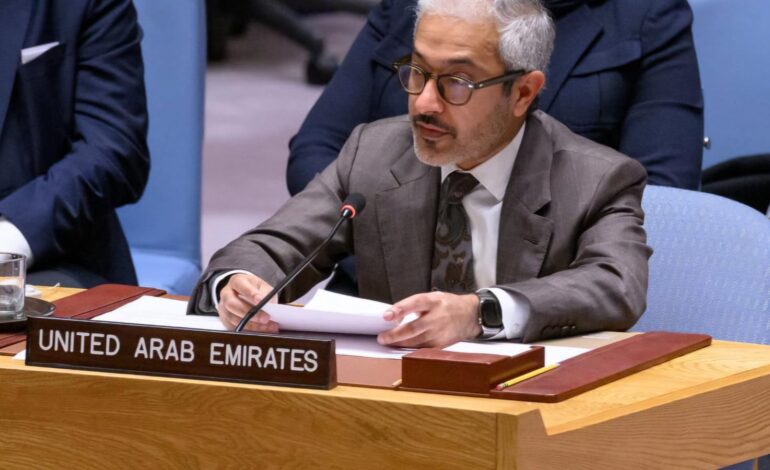

The United Arab Emirates has welcomed the arrival of a United Nations humanitarian assessment mission in El Fasher, Sudan. Called for urgent, sustained and unhindered humanitarian access to deliver life-saving aid to besieged communities caught in the country’s ongoing conflict. The UAE’s statement reiterates support for protecting civilians. Expanding aid delivery in line with international humanitarian law.
El Fasher — located in the Darfur region — has endured prolonged siege conditions, severe shortages of food, medical supplies and essential services. Widespread humanitarian suffering under intensifying conflict dynamics. The UAE’s call aligns with broader international appeals for safe corridors and sustained relief across Sudan.
UAE’s Official Statement and Response
Her Excellency Reem bint Ebrahim Al Hashimy, Minister of State for International Co-operation. Welcomed the UN assessment mission as a critical step toward reopening humanitarian access for civilians.Who have survived months of deprivation and conflict in El Fasher.
In its statement, the UAE emphasised that access must be predictable, continuous and effective, rather than merely symbolic or temporary. It urged all warring parties in Sudan to allow unimpeded humanitarian operations. Including the safe passage of convoys and clearance of routes — to reach affected populations.
The UAE also acknowledged the diplomatic leadership of partners like the United States, the work of the UN Office for the Coordination of Humanitarian Affairs (OCHA). The efforts of humanitarian organisations operating under extremely difficult and dangerous conditions.
The Humanitarian Situation in Sudan
Sudan has been engulfed in a civil war since April 2023, primarily between the Sudanese Armed Forces (SAF) and the Rapid Support Forces (RSF). The prolonged conflict has created one of the worst humanitarian crises in recent history, with millions displaced. Widespread food insecurity and critical shortages of shelter, water and healthcare. El Fasher — a major urban centre in Darfur — has faced severe humanitarian access restrictions as fighting.
International agencies have repeatedly warned that lack of secure, predictable access is blocking life-saving assistance to millions of vulnerable civilians. The presence of a UN mission signals renewed international focus on assessing needs and coordinating further aid.
Why Unhindered Access Matters
The UAE’s appeal for unhindered aid delivery stems from the reality that bureaucratic obstacles, security threats and blockages by armed groups have repeatedly prevented humanitarian organisations from reaching people in dire need. Safe and continuous access would:
• Allow delivery of food, medical supplies and emergency shelter
• Ensure water and sanitation support, reducing disease outbreaks
• Provide protective services for children, women
• Enable organisations to monitor and respond to emerging needs safely
Humanitarian access is required across multiple fronts, not just El Fasher, to prevent further loss of life and stem deepening displacement.
UAE’s Ongoing Humanitarian Role in Sudan
The UAE has been actively providing humanitarian support to Sudan for years through international partnerships and direct aid. Previously it pledged significant funding — including allocating major portions of an earlier USD 100 million pledge to UN agencies to support food, healthcare and livelihood projects — and has operated air bridges and relief missions to deliver assistance.
The country has also supported refugee camps in neighbouring states and contributed to emergency health facilities for displaced populations. This latest call aligns with the UAE’s broader commitment to alleviate suffering and support civilian protection in conflict zones through multilateral cooperation and humanitarian engagement.
Call for a Humanitarian Truce
In addition to urging unhindered access, the UAE has consistently called for an immediate humanitarian truce across Sudan — a cessation of hostilities that would enable safe delivery of aid and reduce violence against civilians. Such a truce is regarded as a foundation for expanded relief operations and a pathway toward broader peace initiatives.
International partners, including the United Nations and the US, have echoed similar sentiments, stressing that a sustained pause in fighting is essential not only for relief but also to create space for diplomatic efforts aimed at long-term solutions.
International Community and Funding Needs
The UAE has urged the global community to increase financial and logistical support to humanitarian agencies like OCHA, the World Food Programme and other partners engaged on the ground. Expanded funding is seen as necessary to scale up operations, meet urgent needs and prevent further deterioration of the humanitarian situation across Sudan.
Additional resources are expected to support medical care, food distribution, emergency shelter, water and sanitation services, and protection for internally displaced people. Partnerships among nations, NGOs, and multilateral organisations remain key to effective relief efforts.
Regional and Geopolitical Context
The conflict in Sudan — particularly in Darfur and regions like El Fasher — has not only humanitarian but also regional security implications. Sudan’s protracted war has displaced millions and placed strain on neighbouring countries and broader humanitarian systems. The UAE’s engagement reflects its broader foreign policy focus on stability, civilian protection and international cooperation.
Calls for unhindered access and truce align with positions taken by other members of the QUAD grouping — a coalition of countries pushing for diplomatic solutions and civilian protection in Sudan. These efforts aim to build momentum toward a political resolution that prioritises civilian well-being and a stable, peaceful future.
Challenges to Aid Delivery
Despite international efforts, delivering aid in Sudan remains dangerous and complex. Challenges include:
• Ongoing clashes and insecurity hindering transport routes
• Fragmented control of territories by multiple armed groups
• Limited infrastructure and logistical constraints in remote areas • Bureaucratic barriers restricting access for relief convoys
Humanitarian organisations have repeatedly emphasised the need for clear safe passage guarantees, protective measures for aid workers, and cooperation from all conflict participants to facilitate life-saving operations.
Voices From the Ground
Sudanese civilians and humanitarian workers have shared harrowing accounts of life under siege. Where communities have endured shortages of food, medicine and basic services. Local volunteers and global aid teams often operate under threat to provide even limited assistance. Continued international advocacy like the UAE’s call for safe access seeks to amplify these voices.
Why This Matters to the World
Sudan’s humanitarian crisis has global implications. Massive displacement, collapsing services. Food insecurity can trigger refugee flows, regional instability and wider socio-economic challenges. Ensuring safe, unhindered humanitarian access is a priority not just for the UAE. But for all countries concerned with human rights, international law and global stability.
International cooperation and shared responsibility are key enablers of effective humanitarian action.
Conclusion
The UAE’s welcoming of the UN humanitarian mission to El Fasher and its call for urgent, unhindered humanitarian access. A nationwide truce marks a significant diplomatic and humanitarian statement in support of civilians suffering in Sudan. The appeal reflects not only immediate needs but also broader commitments to peace, cooperation.
As the situation evolves, expanded humanitarian access and increased global support remain essential to reaching civilians in need. Addressing the deepening humanitarian crisis in Sudan.