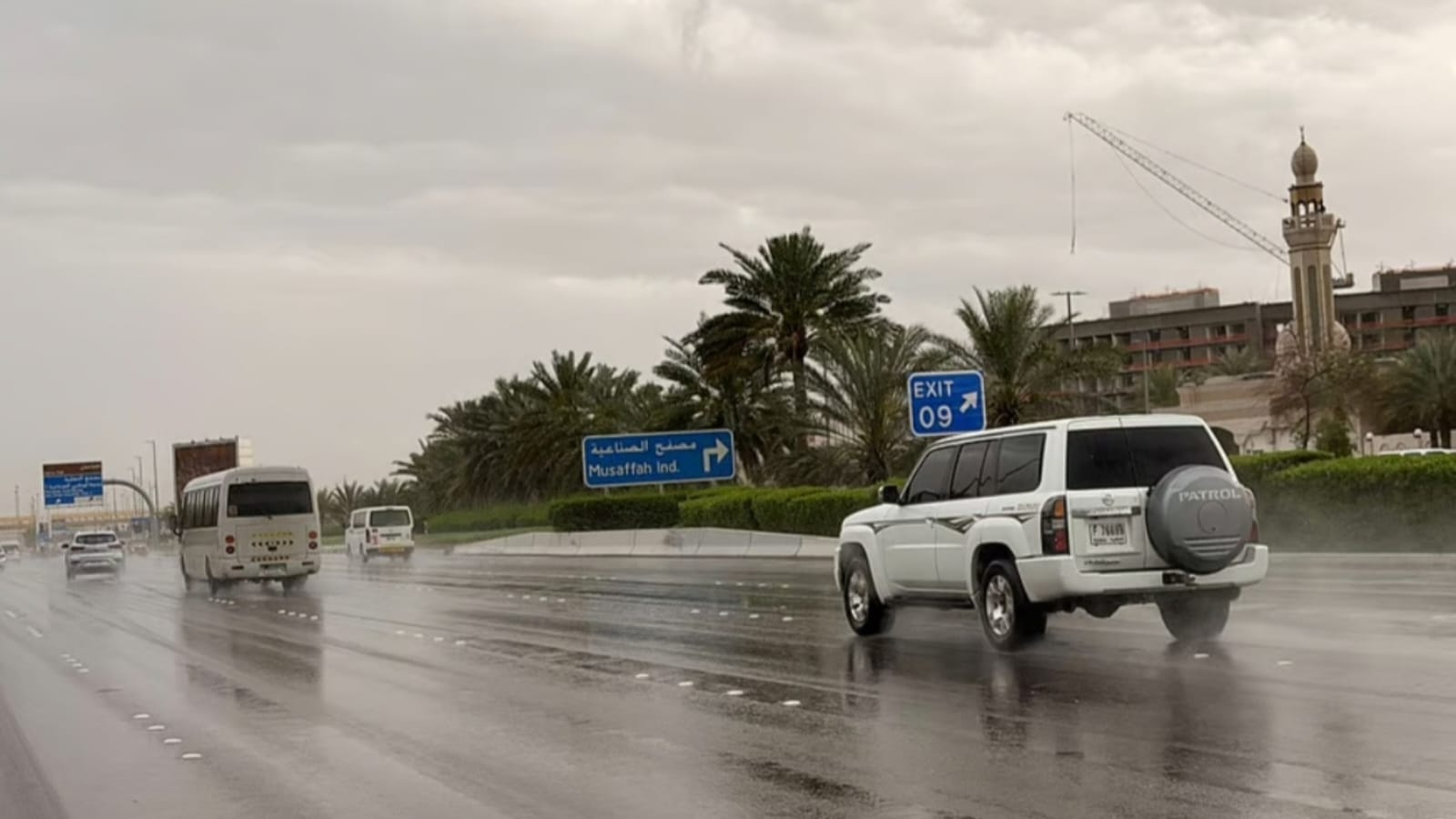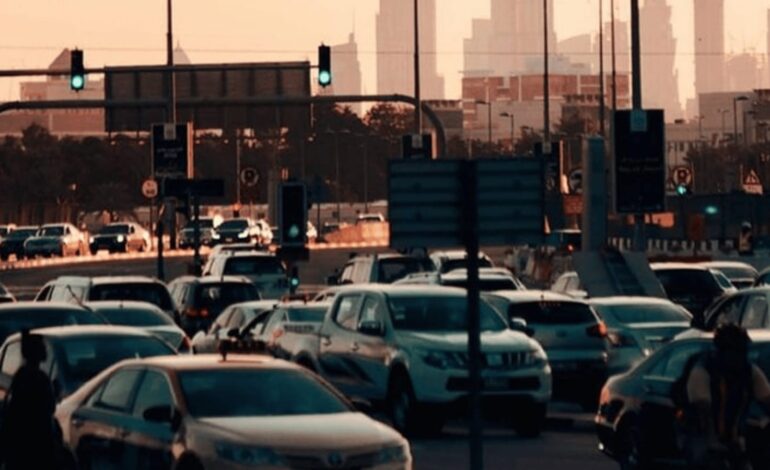

Commuters across Dubai and Sharjah faced a difficult start to the day as heavy traffic congestion disrupted the morning rush hour, causing long delays on several major roads. Key highways turned into slow-moving corridors as high commuter volumes, combined with minor road incidents, significantly reduced traffic flow across the UAE’s two busiest emirates.
Real-time data from popular navigation apps showed extensive deep red congestion zones, signalling gridlock conditions on critical routes linking residential neighbourhoods with major business and commercial districts. Authorities issued traffic advisories, urging motorists to remain cautious, plan additional travel time, and use live traffic updates to avoid the worst-hit areas.
Morning Rush Hour Brings Widespread Delays
The morning peak period, typically one of the busiest times on UAE roads, intensified unusually early, leaving thousands of drivers stuck in long tailbacks. Roads that normally allow steady movement slowed to a crawl, extending commute times well beyond the usual average.
Traffic congestion was particularly severe on inter-emirate routes between Sharjah and Dubai, where daily commuter volumes remain exceptionally high. Many motorists reported delays ranging from 15 to 30 minutes, while others experienced even longer disruptions depending on their routes and departure times.
Authorities confirmed that the congestion reflected a combination of high vehicle density, minor accidents, and pressure on road capacity, all of which commonly amplify traffic problems during weekday mornings.
Severe Congestion on Major Roads
Several of Dubai and Sharjah’s most important transport corridors recorded heavy traffic, highlighting the scale of the disruption.
Hessa Street
Hessa Street experienced slow-moving traffic between DAMAC Hills and Dubai Sports City, an area known for dense residential developments and heavy morning commuter demand. Vehicles moved at reduced speeds for extended stretches, with congestion spilling into connecting roads.
Sheikh Zayed Road (E11)
As one of the UAE’s most vital highways, Sheikh Zayed Road saw traffic build up rapidly during peak hours. Delays were especially noticeable on lanes heading toward central Dubai and key business zones, adding significant time to daily commutes.
Al Khail Road (E44)
Normally a faster alternative for many drivers, Al Khail Road became heavily congested from Ras Al Khor toward Business Bay and Dubai Hills. The increased traffic volume turned large sections of the highway into stop-and-go traffic, frustrating commuters who rely on this route to bypass Sheikh Zayed Road.
Sheikh Mohammed bin Zayed Road (E311)
Traffic data also highlighted congestion on Sheikh Mohammed bin Zayed Road, particularly along the Sharjah–Dubai corridor. This route remains one of the busiest in the UAE due to its role in connecting major residential communities with employment centres.
These congestion patterns align with typical weekday rush-hour pressure, though today’s delays were notably heavier in several areas.
Road Incidents Add to Traffic Pressure
In addition to high traffic volumes, multiple minor accidents and road incidents further disrupted traffic flow. Authorities explained that even small collisions can have a ripple effect, slowing traffic across wide areas and causing secondary congestion far beyond the incident location.
Traffic police and transport officials reminded drivers that sudden braking, tailgating, and unsafe lane changes often contribute to such incidents, particularly in slow-moving traffic conditions. Preventing minor accidents is critical, as each incident reduces road capacity and worsens congestion during peak periods.
Impact on Daily Commuters
For many residents travelling to work, school, or appointments, the heavy traffic resulted in:
-
Longer-than-usual commute times
-
Delays of 15 to 30 minutes or more on key highways
-
Increased congestion on internal and alternative roads as drivers attempted to avoid major bottlenecks
-
Higher stress levels due to unpredictable travel conditions
Navigation platforms such as Google Maps and Waze displayed extensive deep red zones, indicating severe congestion that extended well beyond typical rush-hour durations.
Authorities Issue Safety and Travel Advice
In response to the congestion, UAE traffic authorities urged motorists to exercise patience and caution, particularly during peak commuting hours. Drivers were advised to check live traffic updates before starting their journeys and to allow extra travel time to avoid unnecessary stress.
Key safety reminders included:
-
Maintaining a safe following distance
-
Avoiding sudden lane changes and harsh braking
-
Staying alert in slow-moving traffic
-
Using real-time navigation tools to adjust routes when necessary
-
Driving at controlled speeds, even when roads appear briefly clear
Officials emphasised that cautious driving not only improves safety but also helps maintain smoother traffic flow during periods of heavy congestion.
Why Morning Traffic Congestion Persists
Traffic congestion during weekday mornings remains a persistent challenge across Dubai and Sharjah. Several factors contribute to these recurring delays:
High Commuter Volumes
Large numbers of residents travel simultaneously from residential areas to business districts, placing immense pressure on major highways during limited time windows.
Road Works and Infrastructure Projects
Ongoing road maintenance and infrastructure upgrades can temporarily reduce lane capacity, intensifying congestion during peak periods.
Minor Accidents
Even small incidents can significantly disrupt traffic flow, especially when roads already operate near maximum capacity.
Limited Peak-Hour Flexibility
Despite flexible work arrangements in some sectors, many employees still begin work at similar times, leading to concentrated traffic demand.
Real-time traffic data consistently shows how small increases in vehicle numbers or minor disruptions can quickly overwhelm road networks during rush hours.
Broader Traffic Trends Across the UAE
Traffic congestion is not unique to today’s commute. Navigation app data and traffic reports frequently highlight sharp transitions from free-flowing roads to gridlocked conditions during morning and evening peaks.
Metropolitan areas such as Dubai and Sharjah continue to experience growing population density and vehicle ownership, placing additional strain on existing road infrastructure. As a result, congestion patterns have become more pronounced, particularly on inter-emirate routes.
Long-Term Solutions and Planning Efforts
UAE authorities and transport planners are actively working on long-term strategies to reduce congestion and improve daily commuting experiences. These efforts include:
-
Expanding and enhancing public transport networks
-
Improving road infrastructure and junction efficiency
-
Encouraging the use of alternative transport options
-
Leveraging smart traffic management systems to optimise flow
-
Promoting flexible working hours where possible
While these measures aim to ease congestion over time, daily traffic monitoring and commuter advisories remain essential tools for managing peak-hour pressure.
Tips for Managing Morning Commutes
To minimise the impact of congestion, commuters are encouraged to:
-
Leave earlier or slightly later to avoid peak traffic surges
-
Use public transport options where available
-
Regularly check live traffic maps
-
Plan alternative routes in advance
-
Stay calm and patient during delays
Small adjustments in travel behaviour can collectively help reduce congestion and improve road safety.
Conclusion
The latest UAE traffic alert underscores the ongoing challenge of managing heavy morning congestion across Dubai and Sharjah. High commuter volumes, combined with minor road incidents and limited road capacity, led to widespread delays on major highways, including Sheikh Zayed Road, Al Khail Road, Hessa Street, and Sheikh Mohammed bin Zayed Road.
Authorities urged drivers to remain cautious, plan ahead, and rely on real-time traffic updates to navigate congested routes safely. As the UAE continues to invest in transport infrastructure and smarter mobility solutions, daily traffic advisories play a crucial role in helping commuters adapt to peak-hour pressures and maintain safer, more efficient travel across the country.