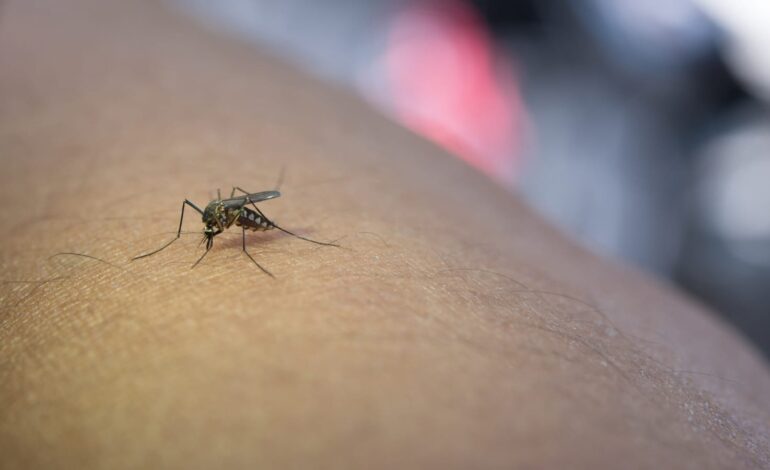

The United Arab Emirates Ministry of Health and Prevention has issued a nationwide warning about a rising mosquito threat, urging residents, businesses and visitors to remain vigilant and take preventive measures. Health officials say recent weather patterns, combined with standing water in residential and urban areas, have created ideal conditions for mosquitoes to breed rapidly.
Mosquitoes are more than just a seasonal nuisance. They can carry serious diseases and pose a growing public health concern if preventive steps are not taken early. The ministry’s advisory highlights the importance of community participation, household responsibility and timely reporting to limit mosquito spread and protect public health across the UAE.
This article explains why mosquito activity is increasing, the health risks involved, what the government is doing, and how residents can protect themselves and their communities.
Why Mosquito Activity Is Increasing in the UAE
Mosquito populations thrive under specific environmental conditions. Experts explain that a combination of warm temperatures, humidity and stagnant water creates the perfect environment for mosquitoes to multiply.
In recent weeks, several factors have contributed to the rise in mosquito numbers:
- Seasonal weather changes with higher humidity
- Rainfall creating temporary water pools
- Standing water from irrigation systems and construction sites
- Water collected in pots, buckets, discarded tyres and drains
- Urban expansion creating shaded areas with trapped moisture
Mosquitoes can complete their life cycle in as little as seven to ten days. Even small amounts of water left undisturbed can become breeding grounds. This makes residential areas particularly vulnerable if preventive steps are not taken consistently.
Health Risks Linked to Mosquitoes
The Ministry of Health and Prevention warns that mosquitoes are known carriers of several diseases that can affect people of all ages. While the UAE has strong disease surveillance systems, rising mosquito populations increase the risk of transmission.
Common mosquito borne diseases include:
- Dengue fever which causes high fever, headache, muscle pain and fatigue
- Chikungunya which leads to severe joint pain and long lasting weakness
- Zika virus which may cause mild symptoms but poses risks during pregnancy
- West Nile virus which can lead to flu like symptoms and in rare cases neurological complications
Most infections are preventable with early action. Health officials stress that reducing mosquito exposure is far more effective than treating diseases after infection.
Government Measures to Control the Mosquito Threat
The UAE government has launched a coordinated response involving health authorities, municipalities and environmental agencies.
Key actions include:
- Monitoring mosquito population levels across emirates
- Targeted spraying and larva control in high risk areas
- Public awareness campaigns in residential and commercial zones
- Coordination with construction companies and property managers
- Training healthcare providers to detect symptoms early
Local authorities are also inspecting public spaces, parks and drainage systems to ensure water does not collect for long periods. These efforts aim to reduce breeding sites before mosquito populations expand further.
Importance of Community Responsibility
Health officials emphasise that government action alone is not enough. Community participation plays a critical role in mosquito control.
Residents are urged to:
- Empty water containers regularly
- Cover water tanks and storage units
- Clean roof gutters and drainage outlets
- Check balconies and gardens for stagnant water Dispose of unused containers responsibly
When entire neighbourhoods take preventive action, mosquito populations drop significantly. Even one unattended water source can allow mosquitoes to multiply and spread across nearby areas.
Advice for Homeowners and Tenants
Homes are among the most common mosquito breeding locations. The ministry advises homeowners and tenants to conduct weekly inspections around their property.
Practical steps include:
- Checking flower pots and plant trays
- Emptying water from air conditioner drip trays
- Ensuring swimming pools are properly maintained
- Covering outdoor bins and water barrels
- Using window screens and door nets
Simple household habits can significantly reduce mosquito presence and protect families from bites and disease exposure.
Protection Tips for Individuals and Families
In addition to reducing breeding sites, personal protection is important, especially during early morning and evening hours when mosquitoes are most active.
Recommended measures include:
Using insect repellent approved by health authorities Wearing long sleeved clothing when outdoors
Using mosquito coils or electric repellents indoors Keeping windows and doors closed or screened Avoiding outdoor exposure during peak mosquito activity
Parents are advised to be extra cautious with children, as young people are more vulnerable to mosquito bites and complications from infections.
Healthcare System Preparedness
Healthcare facilities across the UAE are prepared to manage mosquito related illnesses. Doctors and nurses are trained to recognise symptoms early and provide appropriate treatment.
Residents are advised to seek medical attention if they experience:
- Persistent fever
- Severe headache or eye pain
- Joint or muscle pain
- Skin rashes
- Unusual fatigue after mosquito exposure
Early diagnosis improves recovery outcomes and helps prevent the spread of infections through timely reporting.
Climate Change and Mosquito Trends
Experts note that climate patterns are influencing mosquito behaviour globally. Warmer temperatures and changing rainfall patterns can extend mosquito breeding seasons.
While the UAE continues to invest in climate adaptation and public health resilience, individuals must remain alert as environmental conditions evolve.
Preventive health strategies are increasingly important in managing climate related health risks.
Why This Warning Matters
Mosquito related health risks may seem manageable at first, but without vigilance they can escalate quickly. Past global experiences show that outbreaks often occur when early warnings are ignored.
The UAE’s proactive approach reflects its strong public health framework and commitment to prevention rather than reaction.
By issuing timely warnings and involving communities, authorities aim to keep infection levels low and maintain public confidence in health systems.
Public Awareness and Long Term Prevention
Public awareness is one of the most powerful tools in disease prevention. The ministry plans to continue education campaigns through media, schools and community outreach.
- Long term prevention depends on:
- Sustained public cooperation Environmental cleanliness Regular monitoring
- Quick response to reports
- These efforts help build healthier and safer living environments for everyone.
Conclusion
The UAE Ministry of Health and Prevention’s warning about a rising mosquito threat serves as an important reminder that public health is a shared responsibility. Weather conditions and
standing water have increased mosquito activity, but early action can prevent serious health consequences.
By eliminating breeding sites, protecting against bites and reporting concerns promptly, residents and visitors can help reduce mosquito populations and protect themselves from disease.
With strong government coordination and community cooperation, the UAE aims to manage the mosquito threat effectively and maintain its high standards of public health and safety.