
UAE Weather Alert: Rain and Thunder Across Emirates
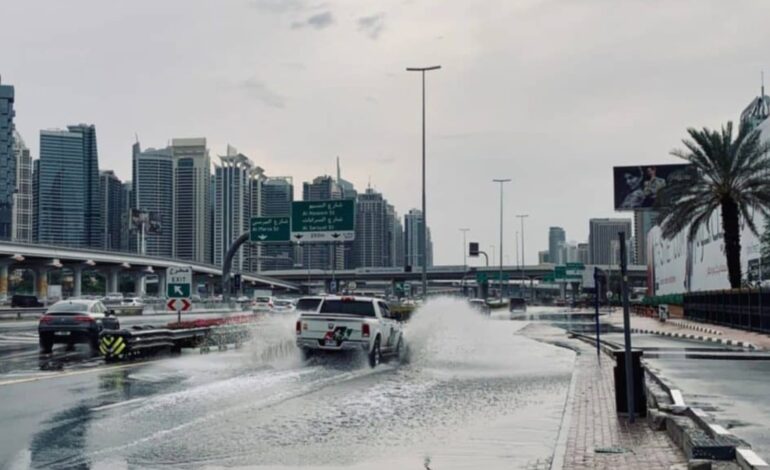

The United Arab Emirates is experiencing continued unsettled weather as rain activity spreads across several emirates. The National Centre of Meteorology has highlighted that this active weather pattern will continue for the coming days. Bringing the possibility of heavy rainfall, lightning, gusty winds and localized flooding in some areas.
Recent observations and forecasts indicate that the moisture laden winds moving over the Arabian Gulf are interacting with cooler upper atmospheric conditions. These atmospheric changes are leading to storms, bursts of rain and atmospheric instability. These are affecting urban centers, coastal regions and interior parts of the country.
This article explains the current weather situation in the UAE, what residents and travellers should expect, how to stay safe, and why this weather pattern matters for daily life and activities across the Emirates.
Rain and Thunder Across the Emirates
The weather pattern that has developed over the UAE is bringing intermittent rain and thunderstorms in many areas. From Fujairah in the east to Abu Dhabi in the west, showers have been recorded with varying intensity. Some areas have seen moderate to heavy rain accompanied by thunder and lightning. While other areas have experienced brief showers or overcast skies.
Urban centers like Dubai and Sharjah have seen periods of rain that have affected visibility and road conditions. Motorists were advised to exercise caution during peak rainfall events. Coastal regions have also experienced heavier cloud cover and rougher sea conditions. Prompting warnings for small craft and beachgoers to remain vigilant.
Interior regions and higher elevations are particularly prone to convective activity, rain showers and thunder can develop rapidly and unpredictably. The combination of increasing humidity levels near the surface, atmospheric instability aloft has made conditions favourable for these thunderstorm events.
Weather Warnings and Official Advice
The National Centre of Meteorology has issued weather warnings for lightning, heavy rain and gusty winds in different parts of the country. These warnings are designed to help residents and commuters prepare for sudden changes in weather conditions. Reduce the risk of accidents or weather-related disruptions.
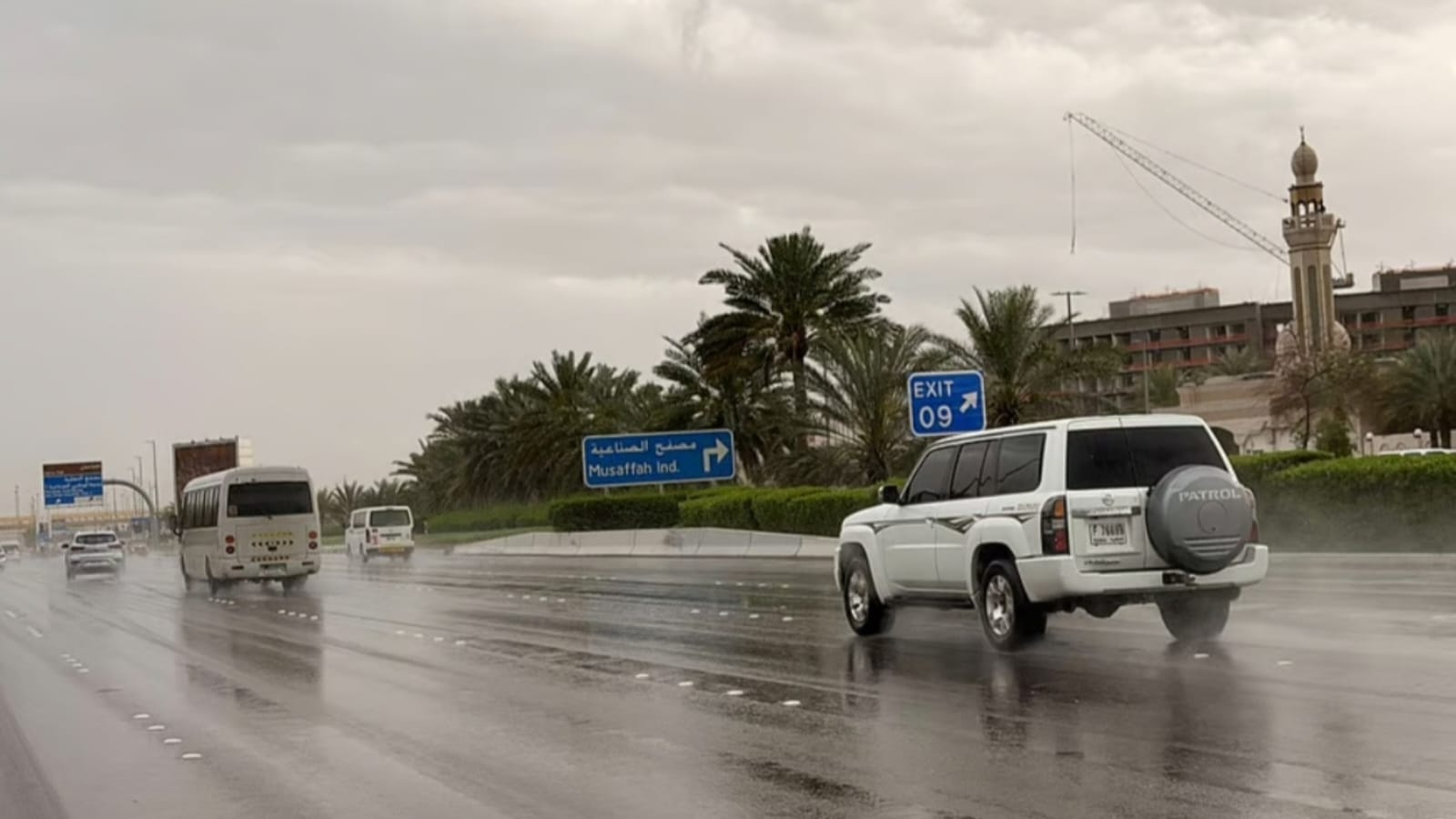
Officials have reminded drivers to slow down when roads become wet and to maintain safe distances from other vehicles. Thunderstorms can produce sudden bursts of rain that significantly reduce visibility, creating hazardous driving conditions. Motorists should always turn on headlights during rainfall and avoid sudden braking.
Lightning can also pose risks for people working outdoors, especially in construction zones or open fields. Authorities recommend that outdoor activities be postponed or relocated to safer environments until storms pass. Golf courses, beaches and parks are among the locations where people are advised to avoid open exposure during thunderstorm activity.
In coastal waters, fishermen and small craft operators are urged to keep updated on weather bulletins. Avoid venturing too far from port when thunderstorms or rough water are forecast. Sudden wind gusts and heavy showers can escalate sea conditions rapidly.
How Long Will the Unsettled Weather Continue
Forecast models suggest that the current weather pattern will persist for several days as moisture continues to flow over the region, interact with cooler upper level air masses. This means continuing chances of rain and thunder through the work week, particularly during the afternoons and evenings when convective activity is usually strongest.
Night time and early morning hours may see lingering clouds, light showers and possibly fog in some interior areas as temperatures cool. Moisture remains near the surface overnight. Residents are advised to follow daily weather updates and road safety advice.
This extended pattern of unsettled weather does not necessarily mean constant rain. But rather a series of showers and storm cells that can build quickly, produce intense. But short lived rainfall, then dissipate. Such patterns are common during transitional periods of the year, particularly when Gulf moisture and atmospheric conditions align for convective activity.
Impact on Daily Life and Commuting
The current weather conditions have a noticeable impact on daily life. Heavy rain can reduce visibility on highways and smaller roads. Leading to slower traffic flow and potential delays during peak travel times. Drivers are urged to anticipate these conditions, leave earlier if possible and maintain safe driving practices.
Rainwater can accumulate quickly in areas with poor drainage. Localized flooding can occur in low lying parts of cities or older neighbourhoods. Communities are reminded to avoid walking or driving through waterlogged areas as even shallow water can hide hazards.
Schools, events and outdoor activities are adjusting schedules to account for the risk of thunderstorms, especially where lightning is forecast. Parents and event organisers are advised to monitor weather alerts and ensure that children and participants are kept safe.
Effects on Aviation and Transport
Air travellers should remain aware that heavy rain and thunderstorms can have implications for flights. Especially arrivals and departures at major airports such as Dubai International, Abu Dhabi International and Sharjah International Airport. Thunderstorms can lead to wind shear, turbulence on approach and departure. Temporary delays to maintain safety margins for aircraft operations.
Passengers are encouraged to check flight status with airlines prior to travelling to the airport. To allow extra time when commuting during periods of forecast rain. Airport authorities often implement ground safety procedures during lightning events, which can include temporary suspension of runway operations for personnel.
Public transport operators also adapt to weather conditions by adjusting schedules, providing extra staff to manage crowds and issuing guidance to commuters regarding possible delays or altered routes during storm activity.
Preparation Tips for Residents and Visitors
Staying well informed is the first step in weather preparedness. Residents and visitors should monitor official weather bulletins from the National Centre of Meteorology through trusted channels and apps. Regular updates will include not just rain forecasts but warnings for lightning, wind gusts and possible flooding.
When thunderstorms are in the forecast consider postponing or relocating any outdoor plans. Contact sports, beach visits, desert excursions and open air events are particularly vulnerable to sudden weather changes.
Always carry appropriate rain gear if you must travel during rain. A compact umbrella, waterproof jacket and suitable footwear can make a significant difference in comfort and safety. For children and family members with mobility challenges plan routes and transportation that minimise exposure to rain and wet surfaces.
In the home environment ensure that drainage systems around property are clear and functioning well, particularly before forecast rain. Clogged drains can lead to water buildup and localised water entry which can cause damage or create hazards during heavy showers.
Climate Patterns and Seasonal Context
Rain and thunderstorm activity in the UAE at this time of year reflects a transitional weather pattern as the region moves into winter. Most of the rain events in the Emirates occur during transitional periods when European or Mediterranean low pressure systems interact with Gulf moisture, making conditions favourable for convective storm development.
During the winter months the UAE receives the majority of its annual rainfall, and while many days remain sunny and dry, periods of unsettled weather with rain and thunder are not uncommon. These rain events play an important role in replenishing natural aquifers, supporting agriculture in the region and moderating temperatures.
Understanding these seasonal patterns can help residents and planners better prepare for rain when it arrives and make the most of the cooler, clearer weather when conditions are stable.
Health and Safety Considerations
Thunderstorms and lightning present significant risks, particularly for individuals with outdoor occupations or those engaged in recreational activities such as desert camping, golfing, or beach outings. Lightning can strike well outside of heavy rain and staying informed of lightning warnings is essential for safety.
During periods of rain people with respiratory conditions should be aware that changes in air pressure and humidity can sometimes affect breathing patterns. Keeping medications accessible, avoiding strenuous outdoor activity during storms, and staying indoors when possible are sensible precautions.
Children should be kept under supervision when rain or thunderstorms occur, and it is advisable to keep play areas, parks and outdoor spaces off limits until the storm passes.
Conclusion
The UAE is currently experiencing a period of unsettled weather with rain and thunderstorms recorded across several emirates. Official weather warnings remain in place and residents, commuters and visitors are advised to stay informed and take appropriate precautions. With continued atmospheric moisture and fluctuating conditions expected over the coming days, the possibility of more rain, thunder and localized disruptions remains high.
By paying attention to weather alerts, planning ahead and adapting daily activities to changing conditions, people can stay safe and make the most of life in the Emirates even as the skies grow turbulent. It is also a reminder of the dynamic nature of the UAE climate and the importance of weather awareness for daily planning, travel and outdoor activity.






1 Comment
[…] Dubai, rain and thunderstorms affected visibility and runway conditions at Dubai International Airport. Takeoffs and landings […]
Comments are closed.