
The ongoing conflict involving the United States, Israel and Iran has entered a dramatic new phase after a senior US military commander confirmed that 17 Iranian naval vessels, including a submarine, have been destroyed during the latest military operations.
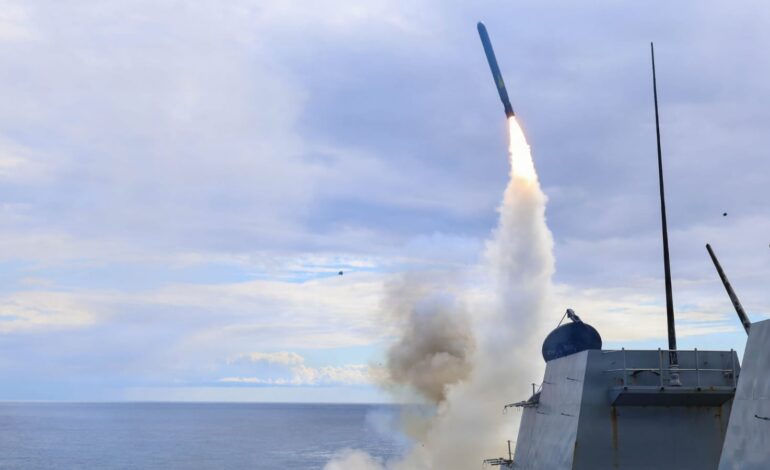
The announcement highlights the growing intensity of naval warfare unfolding across the Arabian Gulf, the Gulf of Oman and the strategic waters near the Strait of Hormuz. The naval strikes are part of a broader US-led military campaign targeting Iran’s military infrastructure, missile systems and naval capabilities.
According to officials from US Central Command (CENTCOM), the operations aim to weaken Iran’s ability to threaten international shipping routes, regional allies and US forces stationed across the Middle East.
The destruction of multiple ships and a submarine represents one of the most significant blows to Iran’s naval power in recent decades, potentially reshaping the balance of maritime influence in the Gulf.
US Military Claims Major Iranian Naval Losses
A senior US admiral revealed that 17 Iranian naval vessels have been destroyed during the campaign, including what officials described as one of Iran’s most operational submarines.
The strikes reportedly targeted Iranian vessels operating in critical maritime zones including:
-
The Arabian Gulf
-
The Gulf of Oman
-
Waters near the Strait of Hormuz
These areas are among the most strategically important maritime corridors in the world, particularly for global oil and gas transportation.
US officials stated that the naval strikes were carefully coordinated with other operations targeting Iranian missile bases, air defence systems and military command centres.
The admiral further stated that following the strikes, no Iranian warships were currently active in the Gulf, suggesting that the country’s naval presence in the region has been significantly degraded.
The naval operation forms part of a larger military campaign that has already struck nearly 2,000 military sites across Iran, according to US officials.
Key Iranian Naval Assets Destroyed
Several important Iranian naval vessels were reportedly destroyed or severely damaged during the operation. These ships played key roles in Iran’s maritime defence and regional power projection.
Fateh-Class Submarine
One of the most notable losses reported during the campaign was the Fateh-class submarine, a domestically produced vessel commissioned by Iran in 2019.
The submarine was designed primarily for coastal defence operations, capable of launching torpedoes and conducting surveillance missions in shallow waters.
Iran developed the Fateh-class submarine as part of its efforts to strengthen its underwater warfare capabilities in the Gulf.
According to military reports, the submarine was sunk during precision strikes targeting Iranian naval assets, marking a major setback for Iran’s submarine fleet.
Submarines are considered highly valuable assets due to their stealth capabilities and their ability to threaten both military and commercial vessels.
Jamaran Warship
Another vessel reportedly destroyed during the campaign was the Jamaran, a domestically built warship that served as one of the most important ships in Iran’s navy.
Launched in 2010, the Jamaran represented a milestone in Iran’s naval shipbuilding programme.
The vessel was equipped with:
-
Anti-ship missiles
-
Surface-to-air missile systems
-
Naval artillery
-
Radar and electronic warfare systems
The ship served as a symbol of Iran’s growing domestic defence industry.
US military officials reported that the Jamaran was sunk during airstrikes targeting Iranian naval bases along the southern coastline.
Bayandor-Class Corvette Ships
Several Bayandor-class corvettes, older vessels that had been part of Iran’s patrol fleet for decades, were also destroyed during the strikes.
These ships had historically been used for:
-
Coastal patrol operations
-
Maritime surveillance
-
Escorting Iranian shipping
Although the vessels were not among the most advanced ships in Iran’s navy, they still played an important role in maintaining Iran’s presence in Gulf waters.
Several of these ships were reportedly hit during early phases of the conflict when Iranian naval bases were targeted.
Makran Forward Base Ship
Satellite imagery and defence reports have also indicated damage to the Makran, Iran’s largest naval vessel.
The Makran is a forward base ship and logistics platform, capable of supporting extended naval missions far from Iran’s shores.
The vessel can provide:
-
Fuel and supplies to other ships
-
Support for helicopters and drones
-
Long-range operational capabilities
Reports suggest the Makran was struck at a naval port during the second day of hostilities, though the full extent of the damage remains unclear.
If confirmed, the damage to Makran would represent a major loss for Iran’s ability to conduct extended naval operations.
Strategic Importance of the Naval Strikes
The destruction of Iranian naval assets is seen as a crucial element in securing global maritime trade routes.
The Strait of Hormuz, located between Iran and the Arabian Peninsula, is one of the world’s most critical energy corridors.
Approximately 20 percent of global oil supplies pass through the narrow waterway.
Any disruption in this region could trigger severe economic consequences worldwide.
For decades, Iran has relied on both its navy and the Islamic Revolutionary Guard Corps (IRGC) naval units to project power in the Gulf.
Iran has frequently used tactics such as:
-
Fast attack boats
-
Naval mines
-
Coastal missile batteries
-
Submarine patrols
These strategies are designed to threaten shipping lanes and deter foreign naval forces operating in the region.
US military planners have long considered Iran’s naval capabilities a potential threat to international trade and regional stability.
Wider Military Campaign Targeting Iran
The naval strikes are part of a broader military campaign that has expanded well beyond maritime targets.
According to US defence officials, the operation has included multiple forms of military action aimed at crippling Iran’s defence infrastructure.
Key operations have included:
-
Airstrikes on missile bases
-
Attacks on military command centres
-
Destruction of radar and air defence systems
-
Targeting naval bases and military ports
The goal of the campaign is to significantly reduce Iran’s ability to conduct military operations against US forces and allied nations.
Military officials described the scale of the strikes as unprecedented, with the number of targets hit exceeding the intensity of earlier campaigns such as the “shock and awe” operation during the Iraq War.
Iran’s Retaliatory Attacks
Despite the extensive damage to its military assets, Iran has continued to respond with retaliatory attacks across the region.
According to US officials, Iran has launched hundreds of missiles and thousands of drones targeting US bases and allied infrastructure in the Middle East.
Several Gulf states have reported intercepting incoming projectiles.
Countries that have reportedly faced attacks include:
-
The United Arab Emirates
-
Qatar
-
Bahrain
-
Kuwait
Regional air defence systems have intercepted many of the missiles and drones before they could reach their intended targets.
Iranian officials have warned that the country will continue to respond to military actions until what they describe as foreign aggression ends.
However, US commanders believe Iran’s ability to sustain such attacks may be declining due to the destruction of key military infrastructure.
Impact on Regional Security
The loss of multiple naval vessels could significantly weaken Iran’s military position in the Gulf.
Without operational ships in the region, Iran may face difficulties performing several critical maritime functions.
These include:
-
Escorting Iranian commercial vessels
-
Conducting naval patrols
-
Monitoring shipping routes near the Strait of Hormuz
-
Projecting naval power in regional waters
However, military experts warn that Iran may increasingly rely on asymmetric warfare tactics.
Such strategies may include:
-
Missile attacks
-
Drone strikes
-
Cyber warfare operations
-
Small fast-boat attacks
These tactics require fewer conventional naval assets and can still pose serious security challenges.
As a result, the conflict remains highly unpredictable despite the losses to Iran’s conventional naval forces.
Global Economic and Energy Concerns
The conflict is already having noticeable effects on global markets, particularly in the energy sector.
Oil prices have risen amid fears that instability in the Gulf could disrupt exports from major oil-producing countries.
The Strait of Hormuz remains a key concern for investors and governments worldwide.
Even the perception of potential disruptions can lead to volatility in global energy markets.
Shipping companies have also increased security precautions while insurance premiums for vessels passing through the region have risen significantly.
Many governments in Europe, Asia and the Middle East have urged restraint and called for diplomatic solutions to prevent the conflict from escalating further.
International Reactions
The international community has responded with a mixture of support, concern and caution.
Some Western governments have expressed support for actions aimed at protecting international shipping routes and regional security.
At the same time, several global organisations have warned that continued escalation could trigger a wider regional war.
The United Nations has called for restraint from all parties and emphasised the importance of diplomatic dialogue.
International leaders are now pushing for negotiations aimed at preventing further loss of life and stabilising the situation.
What Happens Next
Military analysts believe the coming days will be crucial in determining the future of the conflict.
Several key developments are being closely monitored.
These include:
-
Iran’s next military response
-
Possible additional US and Israeli strikes
-
Security conditions around the Strait of Hormuz
-
Diplomatic efforts to prevent wider regional war
If the conflict continues to intensify, the Middle East could face one of the most serious military confrontations in recent history.
The reported destruction of 17 Iranian naval vessels, including a submarine, represents a major escalation in the ongoing confrontation between the United States and Iran.
The strikes have dealt a significant blow to Iran’s naval capabilities and could temporarily weaken the country’s ability to operate in strategic Gulf waters.
However, the broader conflict remains far from resolved. Iran’s retaliatory attacks, geopolitical tensions and economic risks continue to shape a rapidly evolving crisis.
As global powers closely monitor developments, the coming days will determine whether the conflict expands further or shifts toward diplomatic efforts aimed at restoring stability in one of the world’s most strategically important regions.