US and Bangladesh Sign Reciprocal Trade Agreement
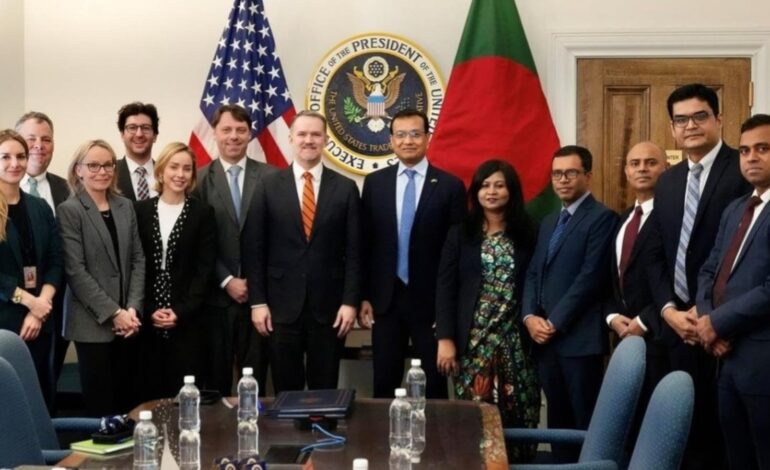

The United States and Bangladesh have signed a significant reciprocal trade agreement aimed at expanding market access, boosting bilateral investment, and strengthening long-term economic cooperation between the two countries. The agreement marks an important milestone in diplomatic and commercial relations, reflecting shared priorities around trade diversification, sustainable growth, and deeper integration into global markets.
Officials from both sides described the pact as a forward-looking framework designed to encourage fair trade practices, reduce barriers to commerce, and create new opportunities for businesses across multiple sectors. As global trade patterns continue to shift, the agreement positions both countries to benefit from stronger economic engagement and resilient supply chains.
A Milestone in US–Bangladesh Trade Relations
The newly signed trade agreement builds on decades of economic engagement between the United States and Bangladesh. While trade ties between the two nations have steadily expanded over the years, the reciprocal nature of this pact represents a more structured and strategic approach to cooperation.
Bangladesh has emerged as one of South Asia’s fastest-growing economies, driven by strong export performance, a growing manufacturing base, and a young workforce. The United States, meanwhile, remains one of the world’s largest consumer markets and a major source of foreign direct investment. By formalising a framework for mutual market access and cooperation, the agreement aims to unlock untapped trade and investment potential on both sides.
Objectives of the Reciprocal Trade Agreement
At its core, the agreement seeks to create a balanced and mutually beneficial trading relationship. Key objectives include:
-
Expanding access to goods and services markets
-
Encouraging cross-border investment
-
Supporting small and medium enterprises (SMEs)
-
Improving trade facilitation and regulatory transparency
-
Strengthening long-term economic and diplomatic ties
The pact aligns with broader efforts by both governments to modernise trade frameworks and respond to evolving global economic conditions.
Key Features of the Trade Agreement
1. Enhanced Market Access
One of the most significant elements of the agreement is improved market access for goods and services. Both countries have committed to reducing barriers that previously constrained trade expansion, allowing businesses to enter each other’s markets more easily.
Sectors expected to benefit include:
-
Apparel and textiles
-
Agriculture and food products
-
Technology and digital services
-
Manufacturing and industrial goods
-
Logistics and supply-chain services
For Bangladesh, greater access to the US market could help diversify exports beyond traditional categories. For American firms, the agreement opens doors to a rapidly expanding consumer base and manufacturing ecosystem.
2. Improved Trade Facilitation
The agreement places strong emphasis on streamlining trade processes. Both governments have agreed to work toward faster customs clearance, reduced administrative burdens, and greater transparency in trade regulations.
Simplified procedures are expected to:
-
Lower transaction costs for exporters and importers
-
Reduce delays at ports and borders
-
Improve predictability for businesses
-
Encourage higher trade volumes
Efficient trade facilitation is particularly important for time-sensitive industries such as apparel, agriculture, and technology manufacturing.
3. Support for Small and Medium Enterprises (SMEs)
A notable aspect of the pact is its focus on SMEs, which play a vital role in job creation and economic growth in both countries. The agreement encourages policies that improve SME access to international markets, financing, and information.
By supporting smaller firms, the deal aims to:
-
Broaden participation in bilateral trade
-
Promote inclusive economic growth
-
Foster entrepreneurship and innovation
-
Strengthen local supply chains
This approach reflects a shared commitment to ensuring that the benefits of trade extend beyond large corporations.
4. Investment and Economic Collaboration
In addition to trade in goods and services, the agreement seeks to stimulate investment flows between the two countries. By aligning certain policy standards and reducing regulatory obstacles, the pact creates a more predictable environment for investors.
Potential areas for investment collaboration include:
-
Infrastructure development
-
Manufacturing and industrial zones
-
Renewable energy and sustainability projects
-
Technology and innovation hubs
Increased investment could help Bangladesh accelerate industrial development while offering US companies opportunities in high-growth sectors.
Why This Agreement Matters
Strengthening Commercial Ties
The reciprocal trade agreement reflects a strategic effort to deepen commercial ties at a time when global supply chains are being reconfigured. By expanding trade channels, both countries can reduce reliance on a narrow set of markets and improve economic resilience.
For Bangladesh, closer ties with the United States support export diversification and global integration. For the United States, stronger engagement with South Asia enhances access to emerging markets and competitive manufacturing alternatives.
Job Creation and Economic Growth
Expanded trade and investment often translate into job creation, higher productivity, and stronger economic performance. Increased exports can support employment in manufacturing, agriculture, and services, while inward investment can drive technology transfer and skills development.
Economists note that trade agreements of this nature can generate multiplier effects across supply chains, benefiting workers, suppliers, and service providers.
Regional and Global Economic Integration
The agreement also aligns with broader efforts to strengthen regional and global economic integration. By reinforcing trade links between North America and South Asia, the pact contributes to a more interconnected global economy.
Analysts suggest that deeper US–Bangladesh cooperation could encourage further engagement with regional partners and multilateral trading systems, enhancing Bangladesh’s role in global value chains.
Trade Figures and Economic Potential
While detailed tariff schedules and sector-specific commitments will be implemented in phases, early projections point to a steady increase in bilateral trade volumes over the coming years.
Export categories with strong growth potential include:
-
Apparel and textiles, a cornerstone of Bangladesh’s economy
-
Agricultural products and processed foods
-
Technology goods and IT-enabled services
-
Industrial machinery and chemicals
-
Consumer goods and manufactured products
The agreement also creates opportunities for Bangladeshi firms to access advanced technologies and management expertise from US partners, supporting long-term competitiveness.
Statements From Government Leaders
Officials from both governments welcomed the agreement as a positive step forward.
A senior US trade official said the pact reflects Washington’s commitment to inclusive and rules-based trade, emphasising the importance of partnerships with emerging economies. The official noted that strengthening economic ties with Bangladesh supports shared goals of growth, stability, and innovation.
Bangladesh’s trade leadership described the agreement as a catalyst for accelerated economic development. Officials highlighted its potential to attract investment, expand exports, and enhance the country’s integration into global markets.
Both sides expressed optimism that the framework would support sustainable development and long-term cooperation.
Regional and Global Implications
Beyond bilateral benefits, the US–Bangladesh trade agreement carries broader implications:
-
Supply Chain Diversification: Stronger trade ties can help rebalance global supply chains and reduce concentration risks.
-
Market Diversification: Expanded access encourages businesses to explore new markets and reduce dependence on traditional trading partners.
-
Investment Spillovers: Cross-border investment may extend into neighbouring economies, creating regional growth opportunities.
These dynamics reflect a global shift toward more diversified and mutually beneficial trade partnerships.
Implementation: What Comes Next
The agreement will be implemented in stages, with regulatory guidelines and sector-specific measures rolled out over the coming months. Both governments plan to engage closely with industry associations, export councils, and business groups to ensure effective implementation.
Key priorities during the rollout include:
-
Communicating new rules clearly to businesses
-
Addressing practical challenges in customs and compliance
-
Monitoring early outcomes and adjusting policies as needed
Successful implementation will be critical to translating the agreement’s objectives into tangible economic gains.
Impact on Businesses and Investors
For businesses, the agreement creates new incentives to reassess strategies and explore cross-border opportunities. Companies may:
-
Develop new supply-chain partnerships
-
Invest in production or distribution facilities
-
Expand exports into newly accessible markets
Investors are also expected to watch developments closely, particularly in sectors aligned with long-term growth trends such as manufacturing, technology, and infrastructure.
Conclusion
The reciprocal trade agreement between the United States and Bangladesh represents a significant step forward in bilateral economic relations. By promoting market access, trade facilitation, investment cooperation, and SME participation, the pact lays a strong foundation for deeper commercial engagement.
As both countries move toward implementation, the agreement offers tangible opportunities for businesses, workers, and investors. More broadly, it signals a shared commitment to open, inclusive, and sustainable economic growth.
In an increasingly interconnected global economy, the US–Bangladesh trade pact positions both nations to strengthen resilience, expand opportunity, and build a durable partnership for the future.