US and Iran Resume Nuclear Talks in Oman
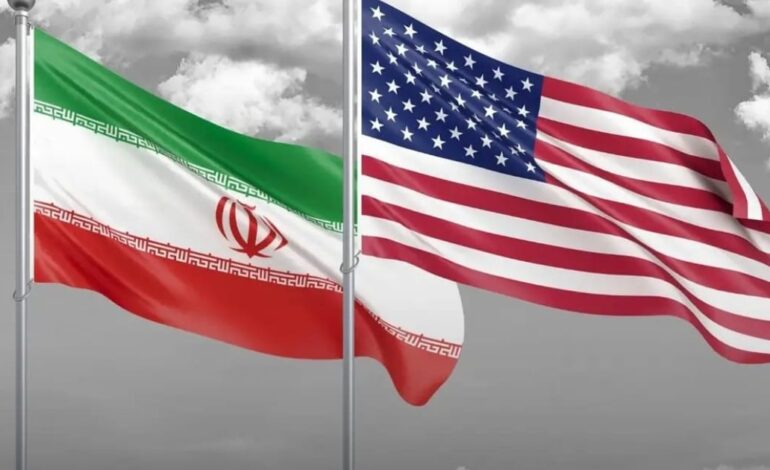

The United States and Iran are set to resume nuclear negotiations on Friday in Muscat, the capital of Oman, officials from both sides have confirmed. The talks, scheduled to begin at approximately 10 a.m. local time, signal a renewed diplomatic effort to manage long-standing disputes over Iran’s nuclear programme, economic sanctions, and wider regional security concerns.
The announcement comes amid persistent geopolitical tensions in the Middle East and follows days of uncertainty regarding the venue, format, and scope of the negotiations. While expectations for a breakthrough remain cautious, the decision to resume dialogue highlights the continued importance of diplomacy in addressing one of the world’s most sensitive nuclear issues.
Confirmation From Both Sides
Iran’s Foreign Minister Abbas Araghchi confirmed the meeting through a social media statement, expressing gratitude to Oman for facilitating the talks. He emphasised Tehran’s willingness to engage diplomatically, provided the discussions remain focused on nuclear-related issues.
A senior official from the White House also confirmed Washington’s participation, ending speculation that disagreements over the agenda might derail the talks. US officials reiterated that diplomacy remains a preferred option, even as tensions continue to simmer.
What the Nuclear Talks Are About
At the core of the Muscat discussions lies the Iran nuclear issue, a long-standing source of friction between Tehran and Washington. Iran maintains that its nuclear programme is intended solely for peaceful purposes, such as electricity generation, medical research, and scientific advancement. However, the United States and several of its allies have raised concerns that Iran’s uranium enrichment activities could eventually be diverted toward weapons development.
Key Issues on the Table
The negotiations are expected to focus on:
-
Uranium enrichment levels and monitoring mechanisms
-
Sanctions relief and economic restrictions on Iran
-
Compliance with international nuclear agreements
-
Verification and transparency measures
Despite agreeing to resume talks, both sides continue to disagree sharply over the scope of negotiations. Iran has consistently insisted that discussions be limited strictly to nuclear matters. In contrast, the United States has pushed for a broader agenda that includes Iran’s ballistic missile programme, its regional influence, and human rights concerns.
Disagreements Over Agenda and Scope
One of the main challenges facing the Muscat talks is the lack of consensus over what issues should be addressed. Iranian officials argue that expanding the agenda would undermine trust and complicate negotiations, especially given Iran’s past experiences with sanctions and unmet commitments.
US officials, on the other hand, believe that Iran’s missile programme and support for armed groups across the region pose direct security threats that cannot be separated from the nuclear issue. These competing positions nearly led to the cancellation of the talks earlier this week, underscoring the fragile nature of diplomatic engagement.
Why Oman Is Hosting the Talks
Oman’s role as host and mediator is not accidental. The Gulf nation has a long history of maintaining cordial relations with both Iran and the United States, positioning itself as a neutral diplomatic intermediary.
Oman’s Mediation Track Record
-
Oman played a key behind-the-scenes role in facilitating early US–Iran contacts that eventually led to the 2015 nuclear agreement.
-
Previous rounds of indirect talks were successfully hosted in Muscat and other neutral venues.
-
Omani diplomacy is known for discretion, trust-building, and quiet engagement.
In this round of negotiations, Oman’s involvement has been particularly important due to last-minute changes in venue and uncertainty over whether talks would proceed at all.
Format of the Negotiations
According to diplomatic sources, the Muscat talks are likely to be indirect, meaning that delegations from the United States and Iran will not meet face-to-face. Instead, Omani officials will relay messages, proposals, and counterproposals between the two sides.
This indirect format has been used in previous negotiations and reflects the lack of formal diplomatic relations between Washington and Tehran. While indirect talks can be slower and more complex, they allow dialogue to continue even amid deep mistrust.
Regional and Global Backdrop
The resumption of nuclear talks comes at a time of heightened regional and global tension, making the stakes particularly high.
Increased US Military Presence
In recent weeks, the United States has increased its military deployments across the Middle East, including naval and air assets. These moves are intended to deter escalation but have also heightened concerns about miscalculation or confrontation.
Domestic Pressures in Iran
Iran continues to face internal challenges, including economic hardship, sanctions pressure, and the aftermath of nationwide protests. These domestic pressures may influence Tehran’s negotiating posture, particularly regarding sanctions relief.
Concerns Over Nuclear Proliferation
Western governments, along with Israel, remain deeply concerned about the pace and scale of Iran’s nuclear activities. They argue that reduced monitoring and higher enrichment levels shorten the time required for Iran to potentially develop a nuclear weapon — a claim Iran strongly denies.
International Reactions and Strategic Calculations
The international community is closely watching the Muscat talks, as their outcome could shape regional stability and global non-proliferation efforts.
Strategic Interests at Play
-
For the United States: Preventing nuclear proliferation while avoiding military escalation.
-
For Iran: Securing sanctions relief and economic recovery without compromising sovereignty.
-
For the region: Reducing the risk of conflict in an already volatile Middle East.
Analysts suggest that both sides are approaching the talks cautiously, aware that failure could further destabilise the region.
Statements From Key Officials
Foreign Minister Abbas Araghchi reiterated Iran’s position that meaningful progress depends on “mutual respect and realistic expectations.” He thanked Oman for its diplomatic efforts and confirmed Iran’s readiness to continue engagement.
US officials, speaking on condition of anonymity, stressed that Washington remains open to dialogue but warned that diplomacy cannot be endless without tangible results. Some US political figures have hinted that alternative measures — including intensified sanctions — remain on the table if talks stall.
What Happens Next?
The immediate goal of the Muscat talks is not necessarily a comprehensive agreement but rather keeping diplomatic channels open. Observers note that even modest outcomes could help reduce tensions.
Possible Outcomes Include:
-
Agreement to continue talks at a later date
-
Confidence-building measures on nuclear monitoring
-
Limited steps toward sanctions relief
-
Clarification of negotiating frameworks
Experts argue that incremental progress may be more realistic than sweeping breakthroughs, given the depth of mistrust and political constraints on both sides.
Challenges to a Breakthrough
Several obstacles continue to stand in the way of a lasting agreement:
-
Deep political mistrust built over decades
-
Domestic opposition within both countries
-
Differing interpretations of past agreements
-
Regional conflicts involving allies and proxies
These challenges suggest that negotiations will likely be prolonged and complex.
Conclusion
The resumption of US–Iran nuclear talks in Oman highlights the delicate balance between confrontation and diplomacy in international relations. With both sides firmly committed to their core positions, the Muscat negotiations represent an important — though uncertain — attempt to manage one of the world’s most enduring geopolitical disputes.
While expectations for a major breakthrough remain low, the willingness of Washington and Tehran to return to the negotiating table underscores a shared recognition that dialogue, however difficult, is preferable to escalation. As regional tensions persist and global attention remains fixed on Iran’s nuclear programme, the outcome of these talks could have far-reaching implications for Middle Eastern stability and international security.